Need Emergency Fuel Delivery?
  info@elanfuels.com
Key Takeaways
- Prioritise safety first when gas spills and avoid actions that can ignite vapors
- Tell the station staff quickly of any noticeable gas spill at the gas station
- Treat any spilled gas in a car or a gasoline spill in a car as urgent
- Rinse paint fast if gasoline spilled on the car to reduce finish damage
- Use absorbent materials for gas spill clean-up and dispose of them safely
Table of Contents
What To Do If Gas Spills At Gas Station?
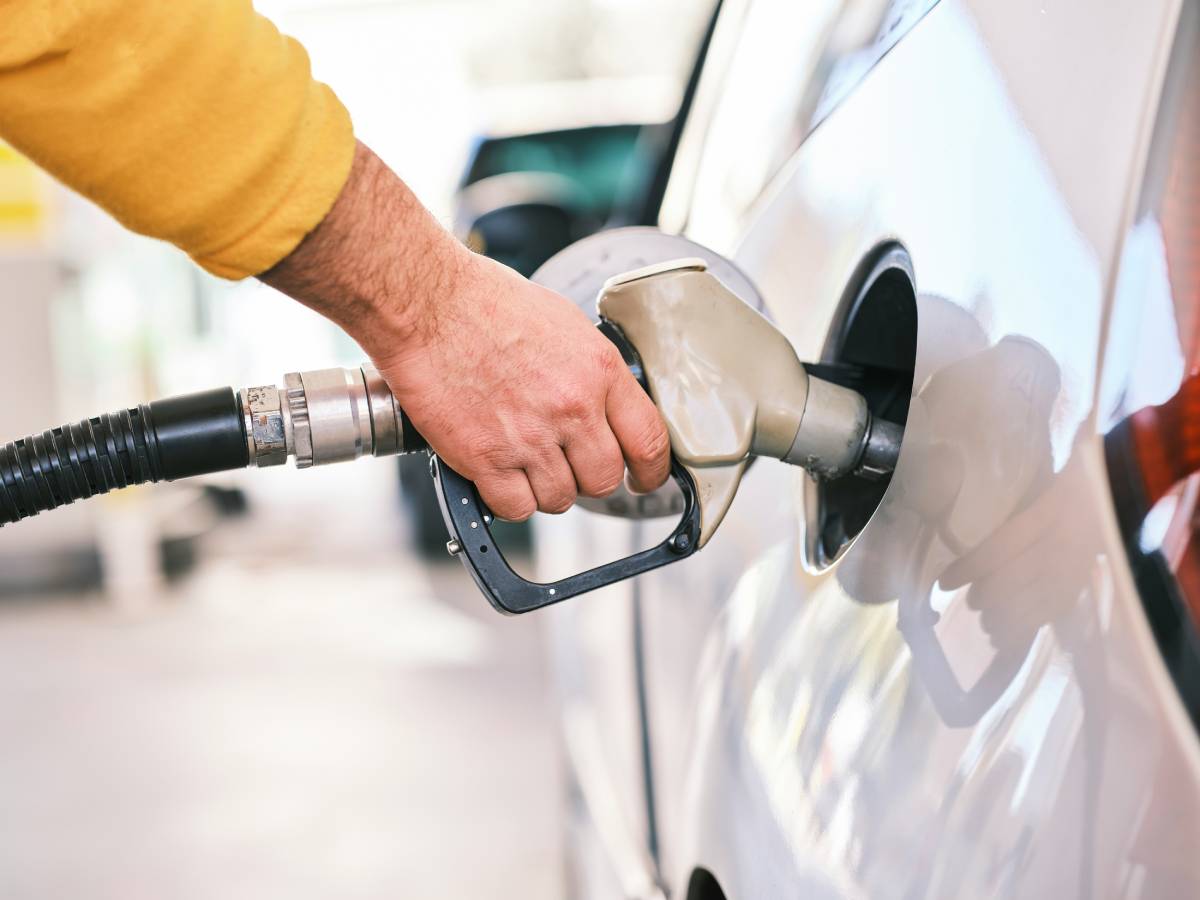
If you are dealing with spilling gas at a gas station or you notice spilled gas at a gas station, your first actions matter more than the amount spilled.
- Stop the fuel flow right away, release the pump handle and if needed, press the stop button
- Keep the nozzle pointed safely into the filler area to limit splashing and spreading
- Do not start the engine and do not move the vehicle until you know it is safe
- Keep sparks away, no smoking, no lighters, and avoid using anything that can spark
- Warn people close by, especially children, and keep them away from the spill area
- Tell the station attendant promptly, especially for a noticeable gas spill or any spreading gas spills
- Follow staff directions, some stations may use a gas station fuel shut-off for larger events
Treat small drips differently from a larger fuel spillage, a few drops usually evaporate fast, a puddle needs containment and absorption
Quick response reduces vapor buildup, reduces slip risk, and lowers the chance that a gasoline spill becomes an ignition hazard. Staying calm helps you avoid common mistakes like rushing to drive off while fumes are still present.
What To Do If Gas Overflows While Pumping?
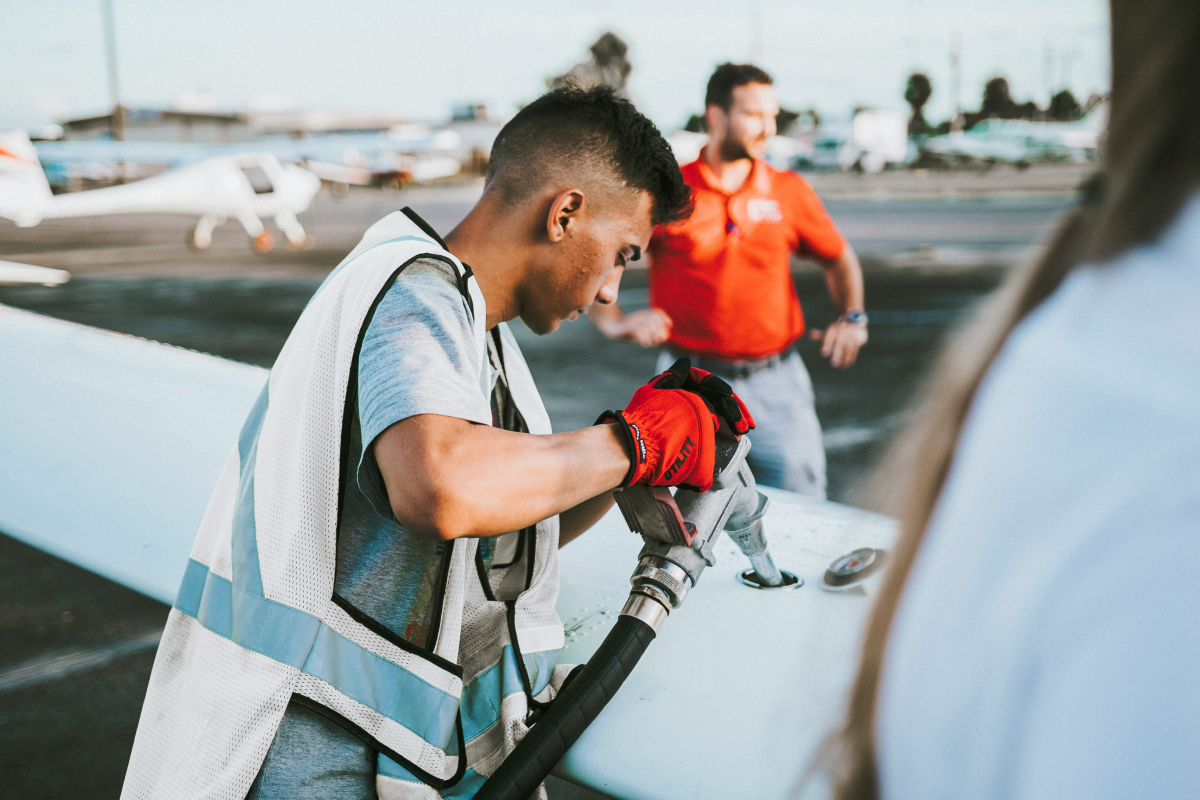
Gas overflow may happen despite automatic shutoff systems. This occurs due to late nozzle shutoff, improper positioning, foam, or splash back. If gas spills when filling, stop fueling immediately, release the handle, and securely set the nozzle back. Point the nozzle area down toward the spill and keep your shoes clear of the puddle to avoid spreading it. Station staff may use absorbent material or a fuel shut off valve for containment. Only look for emergency controls if staff instruct you to.
What To Do If Gas Spills On Your Car Exterior?
If gas spilled on my car or I spilled gas on my car, the primary concerns are the paint and the fumes. Gasoline can soften certain waxes, and it may stain or dull trim if it remains on the surface.
If you are asking what to do if you spill gas on your car or what to do if gas spills on your car, you should start with a gentle rinse as soon as it is safe. Use water from a safe, nearby source, or drive home for rinsing only after staff confirms it is safe. Use plenty of water at home. Avoid rubbing dry fuel across the paint, as this can spread the residue. If you see gas spilled on the side of the car or notice gasoline spilled on the car, rinse the area, then wash it with a mild car soap. The goal is to remove the residue without aggressive scrubbing. After rinsing, air out the vehicle so fumes do not linger near the body panels. Fuel on the exterior creates an ignition risk if vapors collect near hot parts. Avoid starting the engine if you smell strong fumes until the area is ventilated. A professional detailer can help if fuel has contacted sensitive trim, decals, or fresh paint.
What Happens If I Spill Gas At A Gas Station?
Gas stations prioritize safety when managing a spill, focusing on containment and reducing hazards. Staff immediately apply absorbent material, cordon off the area, and execute a standard cleanup procedure. Gasoline vapors are heavier than air, so they can accumulate in low areas, increasing the risk of ignition. Staff may increase ventilation if a spill is near an enclosed space. Staff intervention is mandatory for more than a minor drip, or if the spill moves toward drains or creates a slip hazard. A gas station fuel shut-off is generally reserved for larger, riskier spills.
Spilled Gas At The Pump And Panicking?
Stop the fuel flow immediately, keep the nozzle positioned safely, and eliminate ignition risks like starting the engine or creating sparks. Then warn nearby people and notify station staff fast so they can contain and absorb the spill properly.
Will A Gas Pump Automatically Stop During A Spill?
Automatic shutoff nozzles stop when fuel blocks a small sensing port in the filler neck, preventing overflow during normal fueling. Shutoff may fail if the nozzle is incorrectly inserted, if splashback occurs, or if foam affects the sensing port. Stations have emergency controls. Staff can activate a gas station fuel shut-off to stop fuel flow to dispensers. Some sites label a fuel shut-off valve a gas station or an emergency stop button. Drivers should only control the handle and nozzle, stopping pumping and calling staff if a spill is more than a few drops.
Can I Start My Car If I Spilled Gas At A Gas Station?
If you are wondering, can I start my car if I spilled gas? Prioritize safety due to gasoline vapors. Vapors ignite more easily than liquid fuel and often accumulate near the vehicle on the ground. For small, exterior spills, the safest approach is to wait until the liquid evaporates and fumes lessen. With a larger exterior spill, do not start the engine and inform staff immediately. Fuel on clothing or shoes can track vapors inside the car. If you have spilled gasoline in a car or any gas spill in a car, ventilation is essential, and the area must be cleaned before starting the engine. If unsure, always ask staff for guidance.
How Long Does Spilled Gas Remain Flammable?
The duration for how long isspilled gas is flammable depends on environmental factors. In the open air, gasoline evaporates relatively quickly, but flammable vapors remain as evaporation proceeds. Heat, sunlight, and airflow accelerate evaporation, while cool temperatures and still air slow it down. People frequently ask whether spilt gas and gasoline evaporate. Yes, it typically does, but slow evaporation can leave a dangerous vapor zone for extended periods. Smell is an unreliable safety indicator. You might smell gasoline at safe concentrations, or not smell vapors in windy conditions when they are still present. Treat any noticeable spill as a risk until it is contained, absorbed, and properly ventilated, addressing the question is spilled gasoline is dangerous.
What To Do If Gasoline Spills Inside A Car?
Interior spills are more dangerous than exterior spills because vapors can easily accumulate in confined spaces. If you have spilled gas in car or gasoline in car, treat this situation as urgent. Do not ignore the spill, and do not drive if the fumes are strong.
If you notice gas spilled in a car or spilled gasoline in a car, ventilate the vehicle immediately. Open all doors and the boot to allow fresh air to move completely through the cabin. Turn off all ignition sources. Avoid using power accessories that could cause a spark until the vapors have cleared. Driving is unsafe if vapors are strong, if liquid fuel is present in the upholstery, or if fuel has pooled in the footwells. In these instances, professional cleaning may be the safest choice, especially for a gasoline spill in a car that has soaked into the foam padding.
Gasoline Got On Your Car Or Inside The Cabin?
Rinse exterior fuel as soon as it’s safe to protect paint and trim, and don’t rub residue across panels. If gasoline spills inside the car, ventilate fully, absorb without scrubbing, and don’t drive if fumes are strong or fuel soaked into upholstery.
How To Get Spilled Gas Out Of A Car Safely?
If you are searching for how to get spilled gas out of car, focus on absorption, ventilation, and safe disposal. First, blot and absorb the spill. Use absorbent materials such as paper towels, clean rags, or a product designed for fuel. Press down and lift the material; do not rub the area. Repeat this process until the surface feels as dry as possible.
Second, increase airflow immediately. Keep the car doors open to allow the cabin to air out completely. If it is safe and fumes are not strong, use fans outside the car to move air through the interior. Third, handle disposal safely. Place all contaminated materials into a sealed bag. Store this bag outside, away from ignition sources, until you can dispose of it in accordance with local regulations. Finally, odor can linger since fuel soaks into the foam. If the smell remains strong after cleaning and airing out, or if a large amount of fuel saturated the seats, professional remediation is the recommended next step.
What To Do If Gasoline Spills On You Or Your Clothing?
If what to do if gasoline spills on you is your concern, act immediately. Move away from the pump and all ignition sources. Inform station personnel, especially if clothing is saturated.
For skin exposure, remove contaminated clothing quickly and rinse the skin with large amounts of water. Wash the area with mild soap. Do not scrub harshly. If irritation persists, seek medical attention. The fire risk from soaked fabric is a serious concern if you are asking what to do if gas spills on you or what to do if you spill gasoline on yourself. Gasoline-soaked clothing releases flammable vapors. Change into clean clothes promptly. Seal contaminated items in a bag and keep them away from sparks and heat. If you are unsure what to do if you spill gas, prioritize safety over cleanup.
How To Clean Up A Gas Spill Properly?
Fuel spill cleanup is a three-step process: containment, absorption, and safe disposal. First, secure the area by moving people away and eliminating all ignition sources. For small spills on the ground, prioritize absorption. Use an effective absorbent material like kitty litter, sand, or a specialized commercial product. After the absorbent soaks up the fuel, sweep it up for disposal. Never wash gasoline into drains, as this spreads contamination. For hard surfaces like concrete, absorb the fuel first. Then, clean the area with a mild degreasing product and use minimal water for rinsing to prevent runoff into drains. For home incidents, ensure the space is well-ventilated, absorb the liquid, and dispose of it correctly. If the spill is large, consider calling trained help.
What Are The Hazards Of Fuel Spillage At Gas Stations?
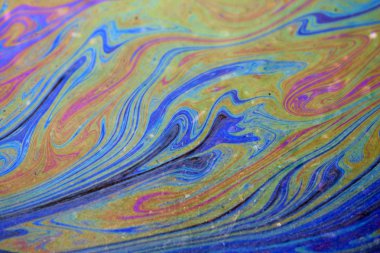
Fuel spillage creates multiple hazards. Flammable vapors can ignite easily, and liquid fuel causes slip risks. Fuel entering drains and soil results in gas station contamination and costly cleanup.
Here is a quick hazard table that links the risk to a practical response.
| Hazard | Why it matters | Safer action |
|---|---|---|
| Flammable vapors | Vapors can ignite and travel near the ground | Stop fueling, keep sparks away, notify staff |
| Slip hazard | A smooth fuel film can cause falls | Keep people back, use absorbent |
| Drain contamination | Fuel in drains can spread pollution | Absorb, do not wash into drains |
| Vehicle vapor buildup | Fumes can collect near the car | Wait, ventilate, do not start the engine |
| Skin and eye irritation | Contact can irritate and dry skin | Rinse with water, remove contaminated clothing |
Even a small fuel spill can become bigger if it spreads under cars or toward drains. Station protocols exist to prevent these chains of risk.
What Should You Not Do While Pumping Gas?
To reduce the chance of gas spills and to lower the risk if spilled gas occurs, avoid these behaviours.
- Do not top off after the nozzle clicks off
- Do not leave the nozzle unattended
- Do not use a phone if it distracts you from the nozzle and filler position
- Do not rush, steady nozzle placement reduces splashback
- Do not re-enter the car repeatedly during fueling, stay focused on the pump
- Do not ignore drips; even a small gas spill can become a slip hazard
- Do not try to hide a spill, tell staff so they can use absorbent and keep a clean gas station area
Staying attentive is one of the best prevention steps.
Is It Illegal To Spill Gas At A Gas Station?
People often ask is illegal to spill gas at a gas station. Minor, accidental spills are usually safety incidents, not crimes, in most places. Legal issues arise primarily from negligence, failing to report a significant spill, or causing environmental harm. Station rules generally require notifying staff for cleanup management. Liability depends on the cause. If a pump fails, document it and report it. For spills from misuse, the station may still assist, but expect cooperation with the cleanup. Always report the incident, follow instructions, and reduce risks.
Worried You’ll Get Blamed For The Spill?
Most minor accidental spills are handled as safety incidents, but problems start when you don’t report a significant spill, it spreads toward drains, or it creates hazards. Learn what not to do while pumping, when to alert staff, and how stations typically handle cleanup and disposal.
How Do Gas Stations Clean Up Gas Spills?
Stations implement a planned response for gas spill clean-up. Staff cordon off the area, place absorbent pads, and use gas station pads for liquid soak up. A spill bucket gas station setup near the dispensers manages small releases. For larger spills, the focus shifts to containment and proper disposal. This involves collecting contaminated absorbent and disposing of it per local rules. Staff training covers responding to fuel spills and when to call for outside help. Significant spills should prompt contact with certified providers for compliant commercial cleanup and proper fuel spill clean-up handling.