Need Emergency Fuel Delivery?
  info@elanfuels.com
Key Takeaways
- The kind of fuel airplanes use depends on engine type and mission.
- Most airliners use kerosene-based airline fuel such as Jet A or Jet A-1.
- Many small piston aircraft use av gas rather than car petrol.
- Standard road gasoline is not approved for most fuel used in aircraft systems.
- Understanding aviation fuel types helps explain range, safety, and operating cost.
Table of Contents
What Type Of Fuel Do Airplanes Use?
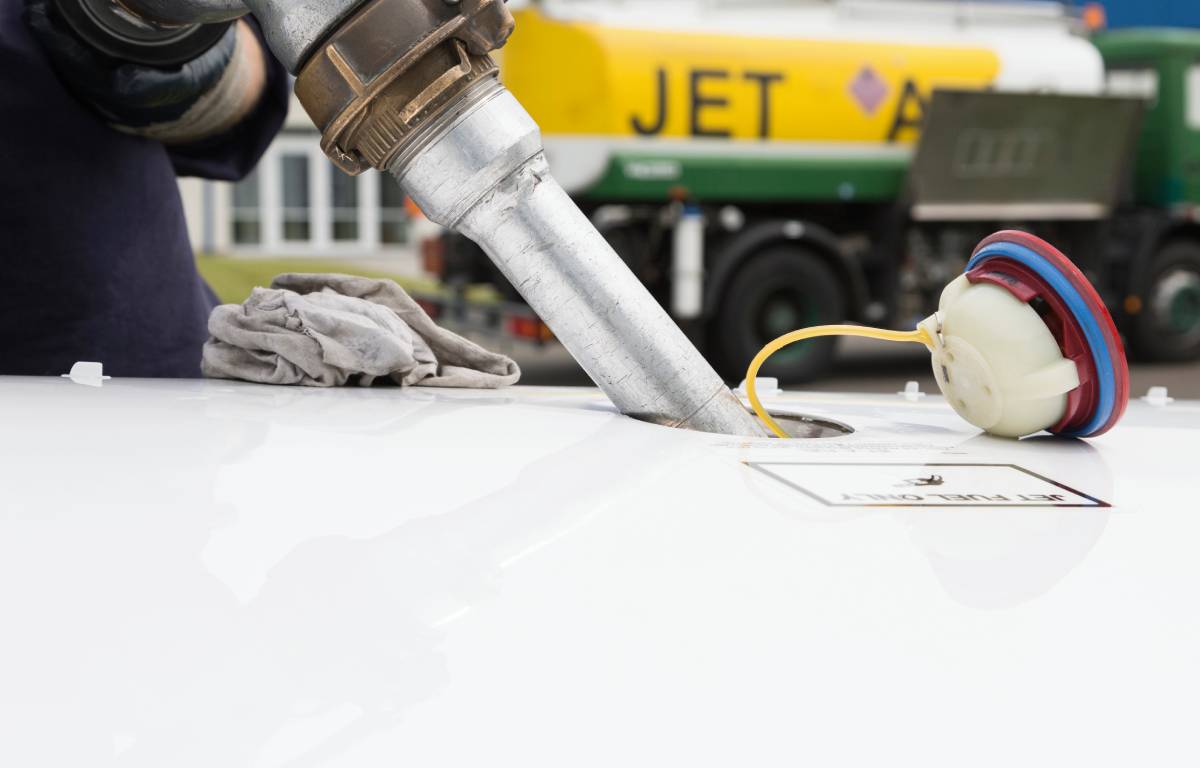
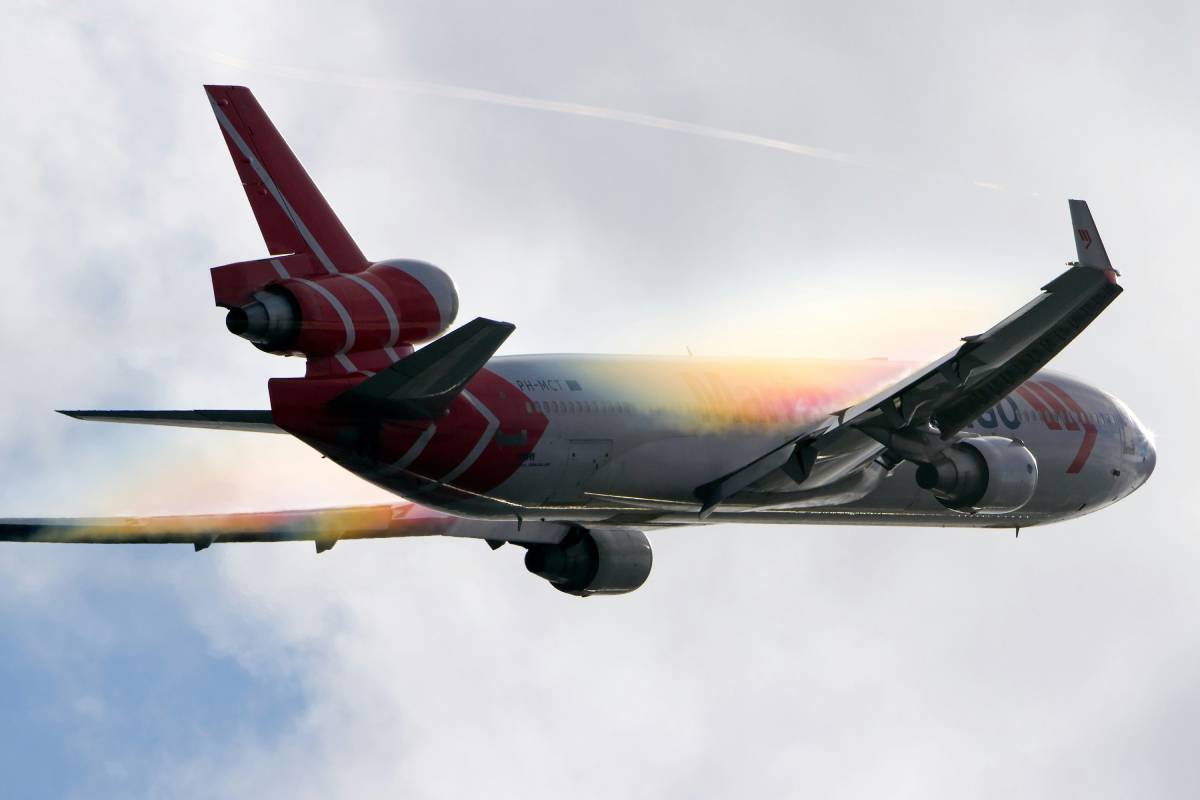
People searching for what type of fuel do airplanes use generally find two simple answers. Jet aircraft rely on kerosene-based fuel, while many small piston aircraft use aviation gasoline. The specific airplane fuel name is determined by the engine and its certification requirements. Commercial jets mostly burn kerosene based airplane fuels. The common aviation fuel name is Jet A in North America and Jet A-1 in many other areas. This fuel for planes is necessary for high altitude and long range flights. Private and business jets also use kerosene-based aviation fuels that meet turbine engine standards. Their plane fuel name is typically the same as the fuel used by commercial airlines, matching a global supply chain.
Training and light piston aircraft commonly use AV gas, which is aviation gasoline with a high octane rating for piston engines. This is sometimes called airplane gas, but it is not the same as standard automotive gasoline. Military aircraft use either kerosene-based turbine fuels, similar to civilian jet fuel, or specialised standards for logistics and cold-weather readiness. Airplanes usually cannot use standard automotive gasoline. Fuel properties must comply with strict certification rules and engine design. Vapour handling, detonation resistance, lubricity, and material compatibility are all critical factors. Therefore, the question of what fuel airplanes use is fundamentally a safety question, as the fuel choice directly impacts performance, range, and reliability.
What Fuel Do Jets Use?
When people ask what fuel jets use, they are referring to turbine engines. These aircraft typically burn kerosene-based aviation kerosene because it stores energy efficiently, flows well in cold conditions, and is a globally standardized airport fuel.
Jet aircraft rely on kerosene-based fuels for several reasons.
- Energy density and range: Kerosene-based flight fuel provides strong energy per litre, which supports practical payload and range planning.
- Cold weather performance: At cruise altitude, temperatures are very low. Jet fuel grades are controlled for freeze point behaviour and flow properties so pumps and filters keep working.
- Safety and handling: Compared with very light fuels, kerosene-based fuel is less volatile. That reduces vapour risk during refuelling and ground operations.
- Global standardisation: Airports need a consistent supply. That is why what kind of fuel airplanes use often comes back to a small set of global grades with tight specifications.
Confused About Jet A vs Jet A-1?
Jet A and Jet A-1 are both kerosene-based turbine fuels, but freeze-point specs and regional availability can change what’s best for your route. Use a quick comparison to understand the differences before you plan fueling or operations.
Types Of Aviation Fuel
The types of aviation fuel cover broad categories with specific grades within each. Engine type dictates fuel compatibility. Turbine engines require kerosene-based fuels, while piston aircraft typically use aviation gasoline. Some aircraft can use approved blends including sustainable components.
Below is a simple table showing major aircraft fuel types and where they are used. It also helps clarify types of aircraft fuel in real operations.
| Category | Typical aviation fuel types | Common users | Key reasons it fits |
|---|---|---|---|
| Jet turbine fuel | types of jet fuel such as Jet A, Jet A-1, and Jet B fuel | Airliners, business jets, and many helicopters | Stable turbine combustion and cold altitude performance |
| Aviation gasoline | AV gas | Training aircraft, light piston planes | High octane for piston engines and certified fuel systems |
| Sustainable blends | Approved SAF blends mixed into jet fuel supply | Airlines, operators with SAF access | Emissions reduction goals while meeting specifications |
What Are The Types Of Jet Fuel?
The primary jet fuel types exist due to varying climate, logistics, and operational standards. The most common commercial grades are Jet A and Jet A-1. Jet B fuel is used specifically in very cold weather conditions. Some regions also utilize TS-1. When inquiring what aviation fuel is called for turbine aircraft, the reference is usually to one of these standard grades. Multiple variants manage regional specifications, volatility, and cold temperature behavior without changing the fundamental turbine operation.
What Is Jet A Fuel
Jet A fuel is a kerosene-based turbine fuel widely used in aviation, where local standards and supply chains are established. It is designed for predictable handling and reliable combustion at airports. Jet A is especially common in parts of North America. It is suitable for routine commercial and business aviation operations. Operators trust that this jet fuel name adheres to a controlled specification, distinguishing it from generic kerosene.
What Is Jet A-1 Fuel?
Jet A-1 is a type of kerosene fuel for planes similar to Jet A, but it has a lower required freeze point. This lower freeze point is necessary for long-haul routes and for operation in very cold cruise conditions. Outside of much of North America, Jet A-1 is generally accepted as the global standard. This widespread acceptance is why fuel planning for planes is consistently similar across many international airports.
What Is Jet B Fuel?
Jet B fuel is a less refined fuel that improves engine starting and handling in very cold weather. However, it is more volatile than Jet A-style fuels. This higher volatility requires extra caution during both storage and refueling operations. Consequently, jet B fuel is less common in civilian airline operations. It is mainly used in areas where extreme cold weather necessitates its use and where operators have the necessary safety procedures and infrastructure for safe handling.
What Is TS-1 Fuel?
TS-1 is a jet fuel grade primarily used in regions that follow Russian or regional standards. It is specifically formulated for colder climates. Its properties support aviation operations where temperatures and supply chain logistics differ from other parts of the world. In essence, it functions similarly to other kerosene-based fuels. However, it is not identical to Western standards. Operators must adhere to the approved specifications for both the aircraft and the operational region.
What Is Avgas Aviation Gasoline?
AV gas is aviation gasoline, a fuel used in many piston engine aircraft. If you ask, do planes use gas? The answer is yes for many training and light private planes, but it is a specific product, not regular road petrol.
AV gas is formulated for high-compression piston engines operating under aviation conditions. Aircraft are certified on particular grades of aviation gasoline. Using the wrong fuel risks detonation, reduces power, and can harm the engine. Regulatory controls are important because traditional avgas often contains lead additives that improve octane but create environmental concerns. This is why fuel availability varies by airport and region, requiring pilots to plan fuel stops carefully.
Flying A Piston Aircraft? Don’t Guess The “Gas”
Many small planes use Avgas, not car petrol, and using the wrong fuel can risk detonation, power loss, and engine damage. Check the fuel your aircraft is certified for and learn the safety reasons behind it.
Is Jet Fuel Kerosene
Many people ask if jet fuel is kerosene since jet fuel is often described as such. The relationship is close, but jet fuel is a highly specified kerosene-based product. If you ask if kerosene is kerosene jet fuel, the safe answer is no for general-purpose kerosene. Jet fuel vs kerosene is not a simple naming issue. The distinction between kerosene and jet fuel is a matter of strict specification control, quality assurance, and fitness for certified aircraft. Thus, what is aviation fuel is a regulated, tested product meeting aviation standards.
What Fuel Do Small Planes Use?
The question of what fuel small planes use depends on whether the aircraft has a piston engine or a small turbine.
- Many training aircraft and light general aviation planes use av gas because their piston engines need high-octane fuel and approved compatibility.
- Some modern light aircraft may be certified for other approved fuels, but pilots must follow the aircraft documents and local regulations.
- Small turboprops and some light business aircraft use kerosene-based aircraft fuel like Jet A or Jet A-1.
- If someone asks, “do airplanes use gas?” The answer is that some do, but it is not the same as car petrol, and it is not used by most jets.
- If someone asks what kind of gas do airplanes use the safest answer is that piston aircraft often use aviation gasoline, such as AV gas, while jets use kerosene-based turbine fuel.
For small aircraft operators, fuel planning also includes checking availability at smaller airports, confirming the correct grade, and avoiding contamination. This is a big part of operational safety.
What Kind Of Fuel Do Helicopters Use?
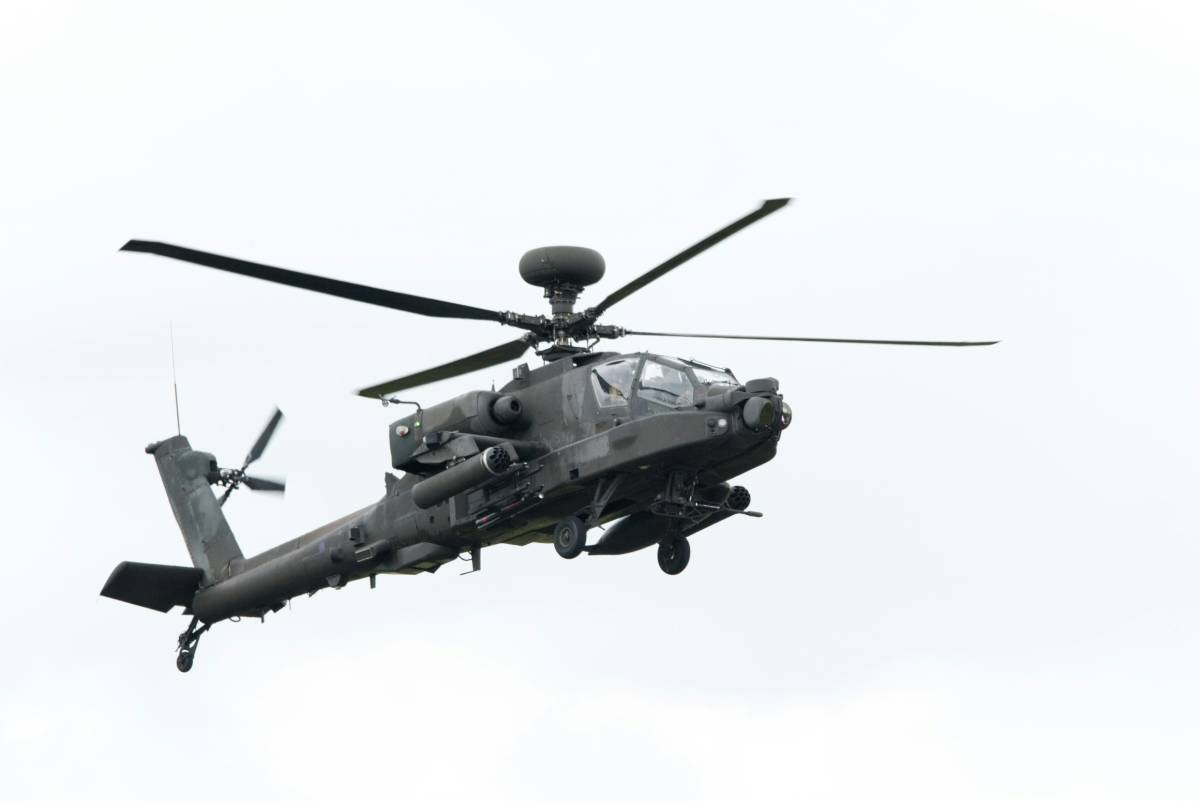
Helicopters utilize either turbine or piston engines for power. Many utility and commercial helicopters are turbine-powered, so the fuel used in aircraft operations is often kerosene-based, like the fuel used by fixed-wing jets. Consequently, the name of aviation fuel for these helicopters aligns with the standard airport jet fuel supply. Smaller, piston-engine helicopters typically use aviation gasoline instead. The engine type determines fuel compatibility, not the aircraft’s shape.
How Much Fuel Does A Plane Consume?
Aircraft fuel consumption is determined by factors including aircraft size, engine type, payload, weather, and distance. Small training aircraft burn a few tens of litres per hour, while large airliners consume significantly more fuel over long distances. This is why aviation planning discusses flight fuel in terms of hourly burn, total trip fuel, reserves, and alternate planning, unlike the terminology used for cars. Aviation measures fuel burn differently than cars because planning must account for climb, cruise, descent, taxi, and mandated reserves.
What Is Aviation Fuel Made Of
Many readers ask what aviation fuel is made of because they want to know how it differs from road fuels. Jet fuel is refined from crude oil, producing a kerosene range product. Refineries carefully separate and treat these fractions to meet strict aviation specifications.
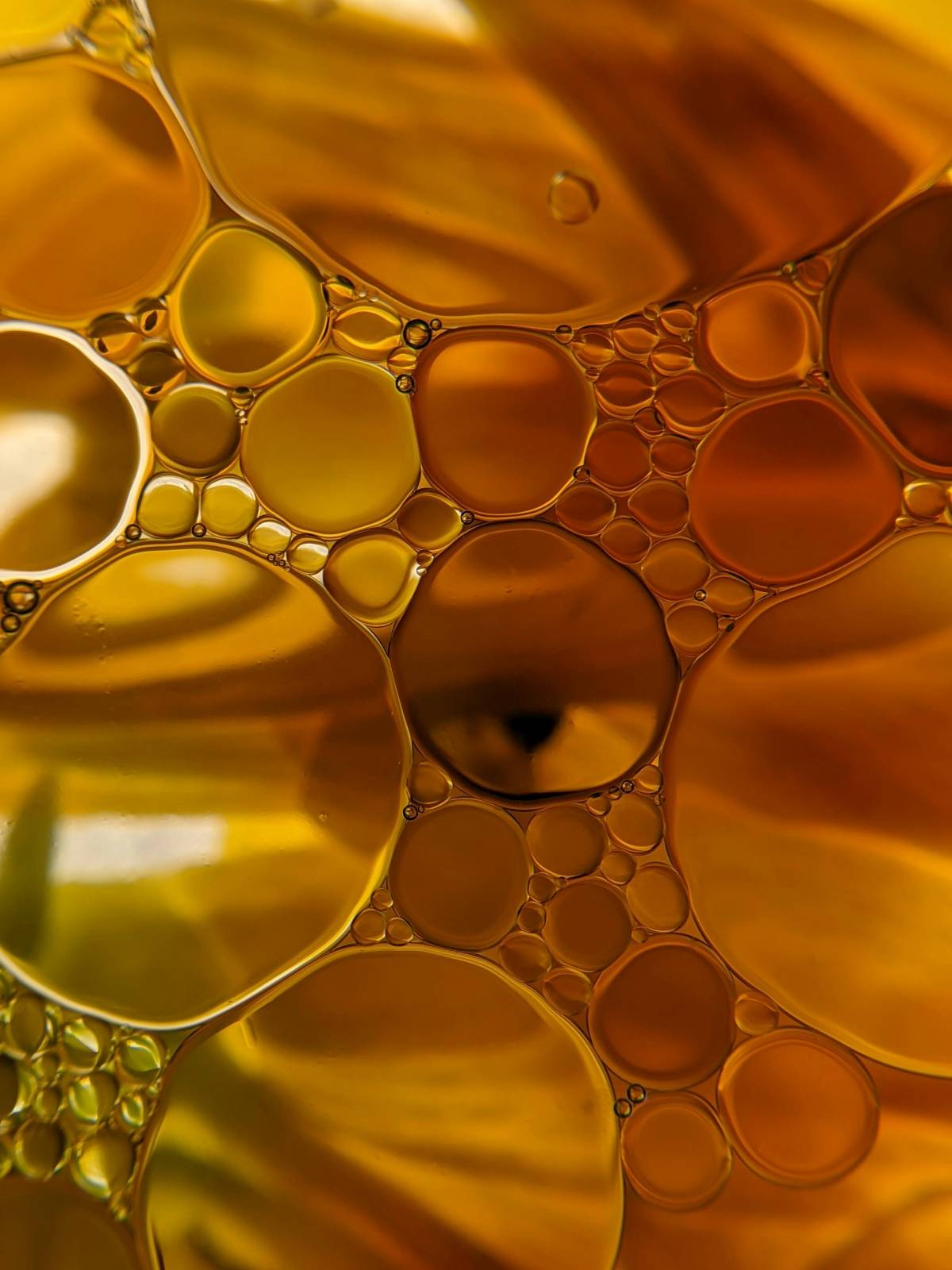
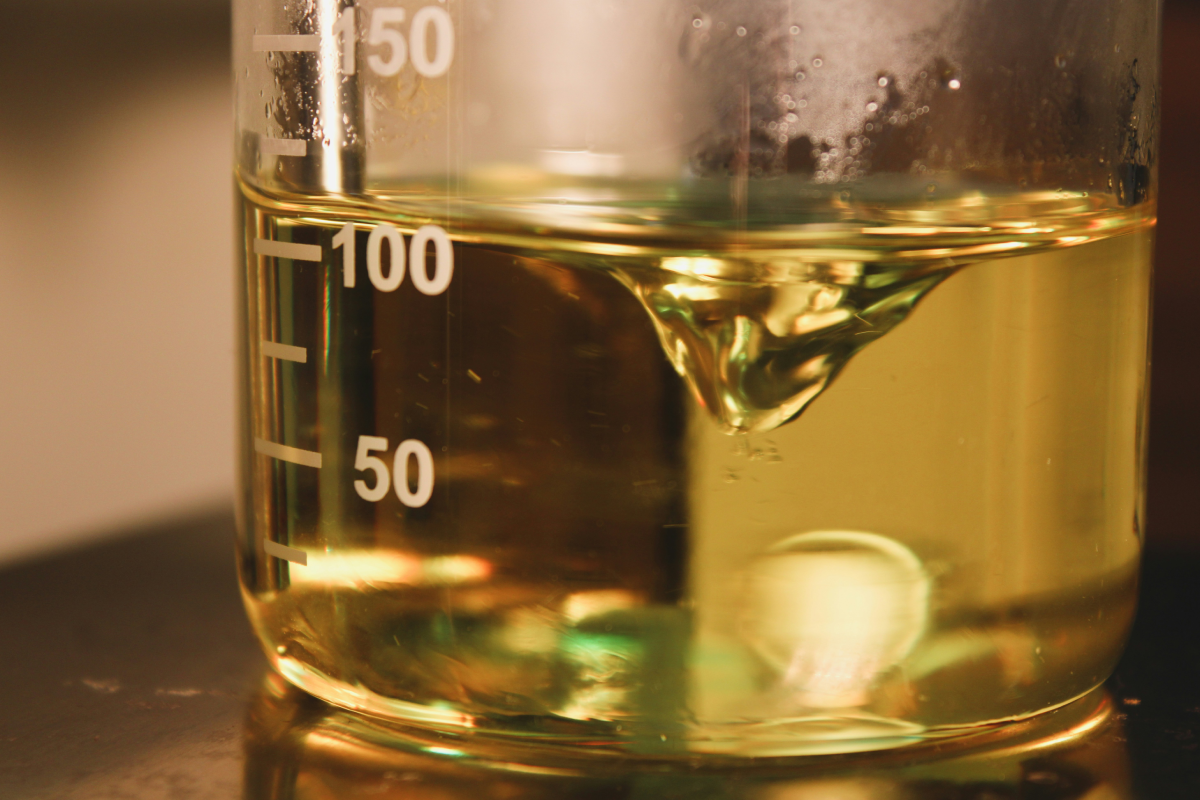
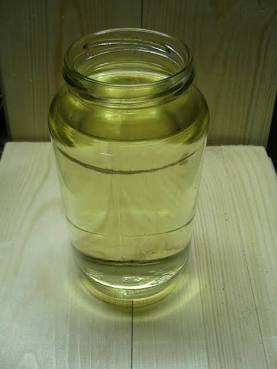
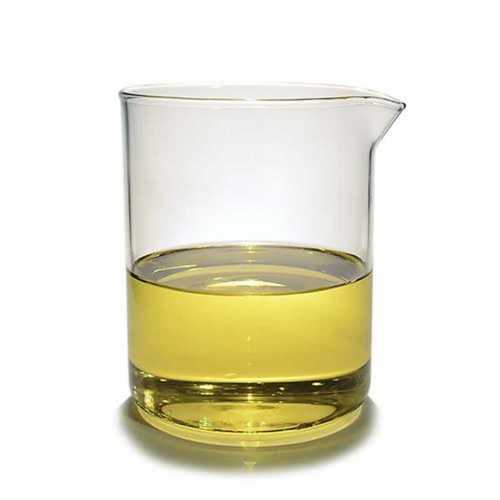
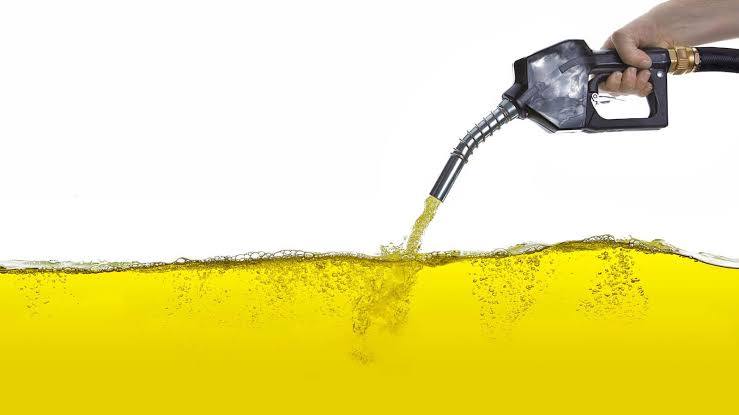
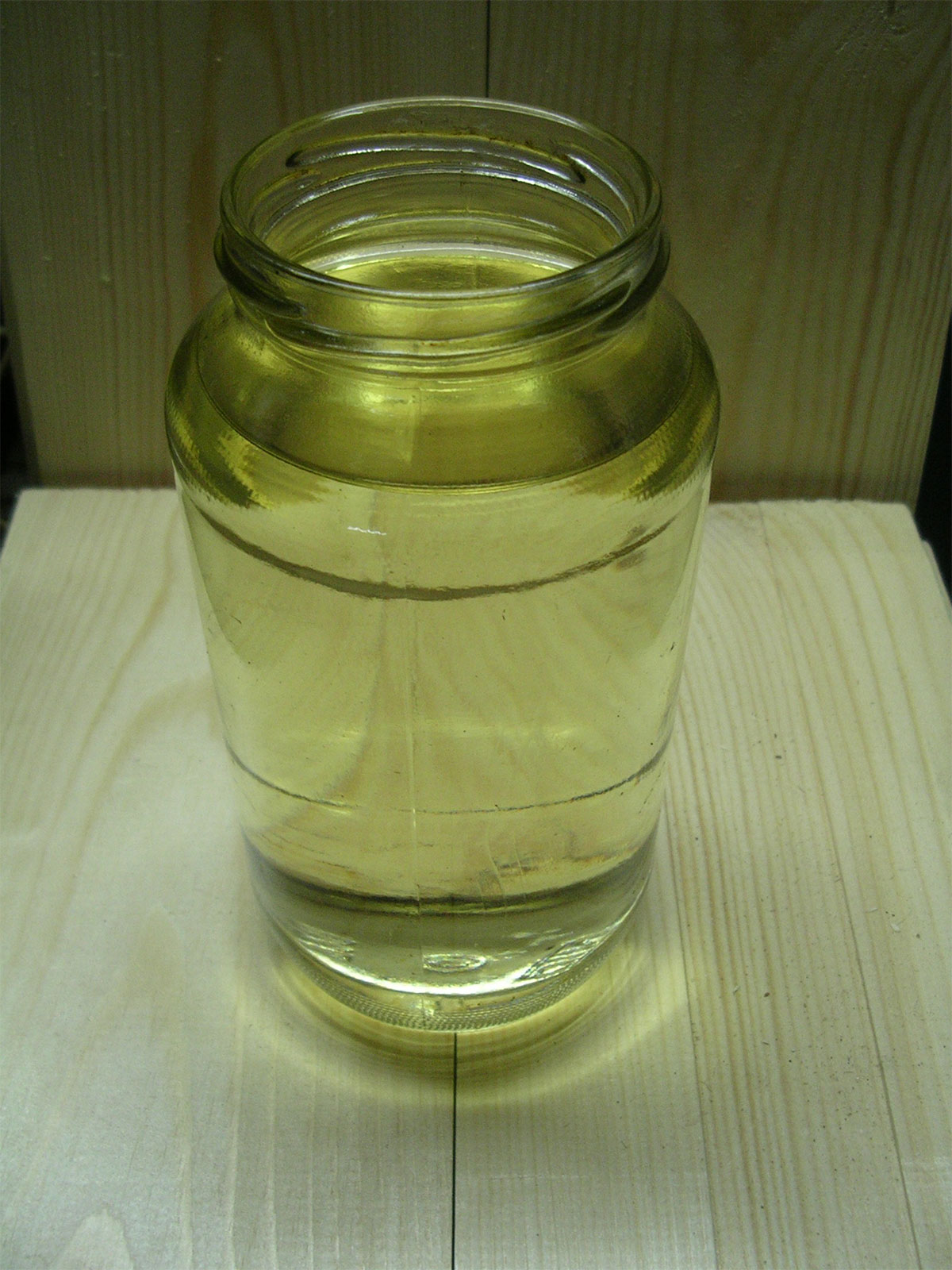
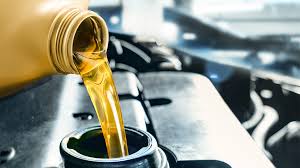
The hydrocarbon mix is precisely controlled. This ensures the fuel burns predictably and remains stable despite temperature changes. Small amounts of additives may be used for safety and performance. These can control static electricity, reduce the risk of icing in certain conditions, or improve storage stability. The required additive package depends on the specific fuel specification and the operator’s needs. This is why the answer to what is airplane fuel is not simple. It is a tightly managed product with required quality checks at every stage. These checks start at production and continue through airport storage and into the aircraft. If you have ever wondered what jet fuel looks like, it is usually clear to straw colored. However, appearance alone is never a reliable quality test. Proper testing and certification are essential for safe operations.
Want The SAF Basics Without The Hype?
Sustainable Aviation Fuel (SAF) isn’t a separate “new fuel” you just swap in—it’s typically blended to meet jet fuel specs. Learn what SAF is, how blending works, and what it can (and can’t) change for operators.
What Is Sustainable Aviation Fuel SAF?
Sustainable aviation fuel, or SAF, originates from non-fossil sources like waste oils or agricultural residues. It is processed to meet standard jet fuel specifications and then blended with conventional jet fuel before use. SAF primarily differs from conventional fuels in its lifecycle emissions, aiming to reduce net greenhouse gas impact while ensuring performance and safety. Airlines adopt SAF when it is available, cost-effective, and aligned with procurement and reporting goals. Aviation operators should explore SAF sourcing to meet sustainability targets, evolving regulatory expectations, and investor requirements.