Need Emergency Fuel Delivery?
  info@elanfuels.com
Key Takeaways
- Off-road diesel vs regular diesel is mainly tax and legal use, not engine chemistry.
- On-road vs off-road diesel is enforced through dye, inspections, and records.
- Off-road diesel vs on-road diesel rules matter for farms, fleets, and job sites.
- Red-dyed diesel vs. regular diesel can trigger penalties if used on public roads.
- How much cheaper off-road diesel is always depends on taxes, location, and season.
Table of Contents
What’s The Difference Between Road Diesel And Regular Diesel?
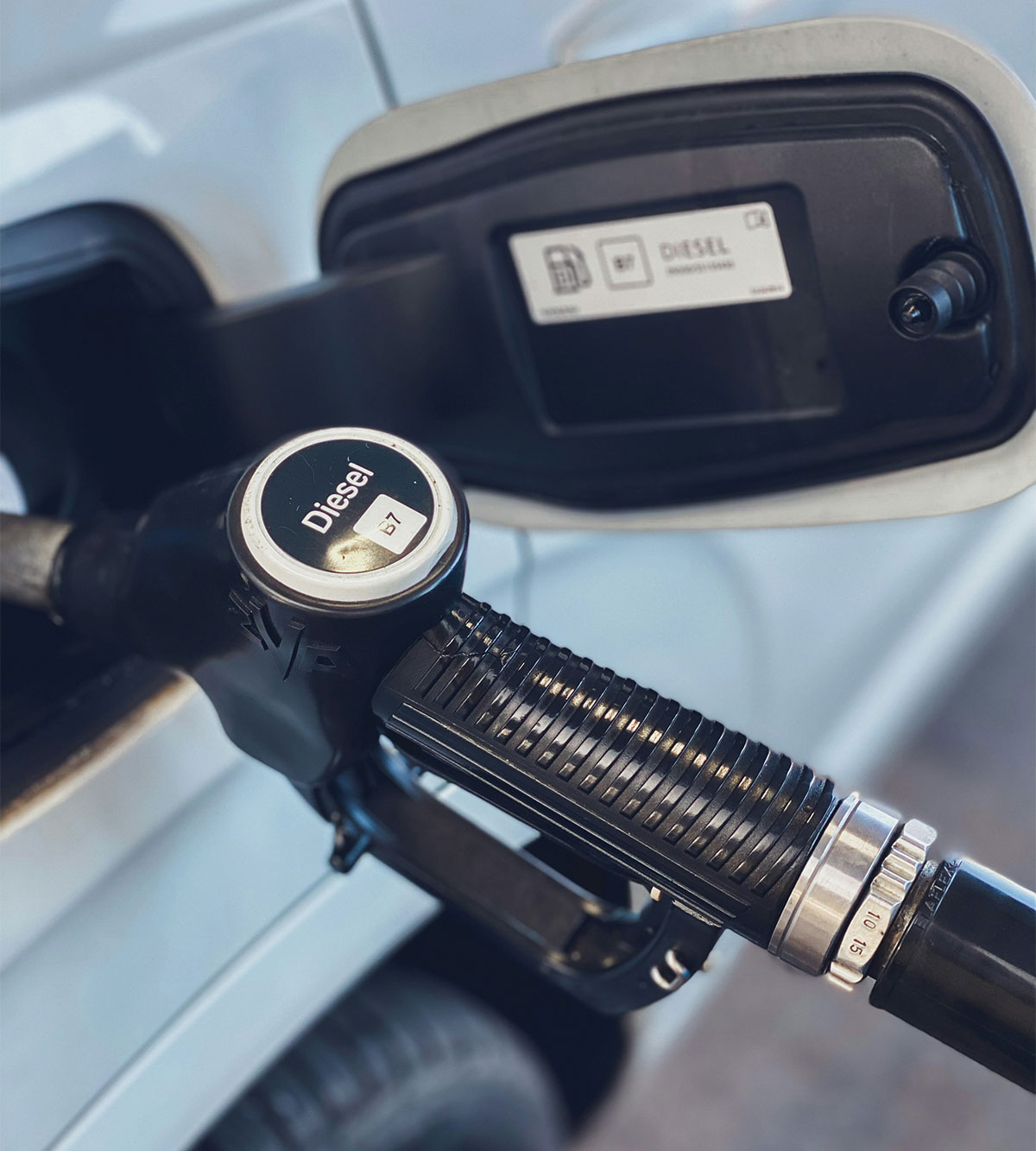
The primary difference between off-road diesel and regular diesel lies in how the fuel is taxed and its permissible usage. Off-road diesel, which is typically dyed, is sold for equipment that is not operated on public roads. Conversely, regular diesel, also known as highway or on-road diesel, is clear and includes road taxes that help fund highway construction and maintenance.
For most buyers, the difference between off-road diesel and regular diesel can be grouped into three themes.
- Legal Usage: The terms off-road vs on-road diesel refer to the intended location of engine operation. Off-road fuel is designated for non-highway applications, such as agriculture, construction, mining, and generator power.
- Tax Implications: The main difference between on-road and off-road diesel is that off-road diesel is typically exempt from certain highway use taxes. On-road diesel, however, includes these taxes in its purchase price.
- Enforcement: To simplify regulatory oversight, dyed vs undyed diesel is used. The dye makes it easier for regulators to detect misuse during inspections, including roadside checks, yard inspections, or equipment audits.
It is crucial for farmers, contractors, fleets, and owner-operators to understand the difference between off-road diesel and regular diesel. Using the incorrect fuel can lead to legal complications, even if the engine’s performance is unaffected.
Is Off-Road Diesel The Same As Regular Diesel Chemically And Practically?
A common question is whether off-road diesel is identical to regular diesel, as both are often derived from the same base fuel. In numerous markets, the two fuels are fundamentally alike, particularly when comparing the clear and dyed versions of the same diesel grade. This similarity explains why engines can typically operate on either fuel without immediate mechanical problems.
Still, diesel vs off-road diesel is not only about chemistry. The practical differences are usually outside the engine. Some of them are;
- Taxation and Legal Status: Off-road diesel is untaxed or taxed at a lower rate because it is not intended for use on public roads. This difference is the main legal factor.
- Dye and Approved Use: Off-road diesel is chemically dyed for easy identification by law enforcement, ensuring it is used only in non-road vehicles and equipment.
- Additives and Specifications: Depending on the fuel supplier and geographic region, both types of diesel may contain different concentrations of additives to improve cold-weather flow, lubrication, or stability. However, this variation does not change the core legal classification.
It is a misconception that dyed diesel is inherently inferior in quality. The actual quality of the fuel depends on the supplier and proper storage practices, not the presence of the dye. So, is off-road diesel the same as regular diesel in real life? Often, it is very close in base composition, but it is not the same product in the eyes of the law.
Worried You Might Be Using The Wrong Diesel?
Off road diesel and regular diesel can run the same in many engines, but the legal rules are different. Use this quick checklist to confirm when red-dyed fuel is allowed and how inspections and audits typically detect misuse.
How Does Farm Diesel Differ From Road Diesel?
The comparison between farm diesel vs road diesel is essential because agriculture often qualifies for fuel tax exemptions. This is for fuel used in non-highway operations. Farm diesel is typically dyed to indicate its restricted use and is purchased under rules that limit its use to off-road equipment. In contrast, road diesel is clear and is intended for use in vehicles registered for public roads.
The system for agricultural fuel exemption includes defined uses on farms, such as for tractors, harvesters, irrigation pumps, and grain dryers. Farmers must keep documentation like invoices and usage logs to prove the dyed fuel was used solely in off-road equipment. Misuse, such as putting dyed diesel in a road-going vehicle, can lead to serious consequences, including fines and back taxes.
Here is a simple table to show the common differences.
| Topic | Farm diesel | Road diesel |
|---|---|---|
| Typical label | Dyed diesel | Clear diesel |
| Main purpose | Off-road farm equipment | Highway vehicles |
| Tax status | Often tax-exempt for highway taxes | Includes highway taxes |
| Enforcement | Dye checks and audits | Standard road fuel compliance |
If you need dependable fuel for your farm or fleet, you can buy either high-quality dyed or clear diesel from us for superior engine durability and consistent operation.
What Is Off-Road Diesel And Why Is It Used?
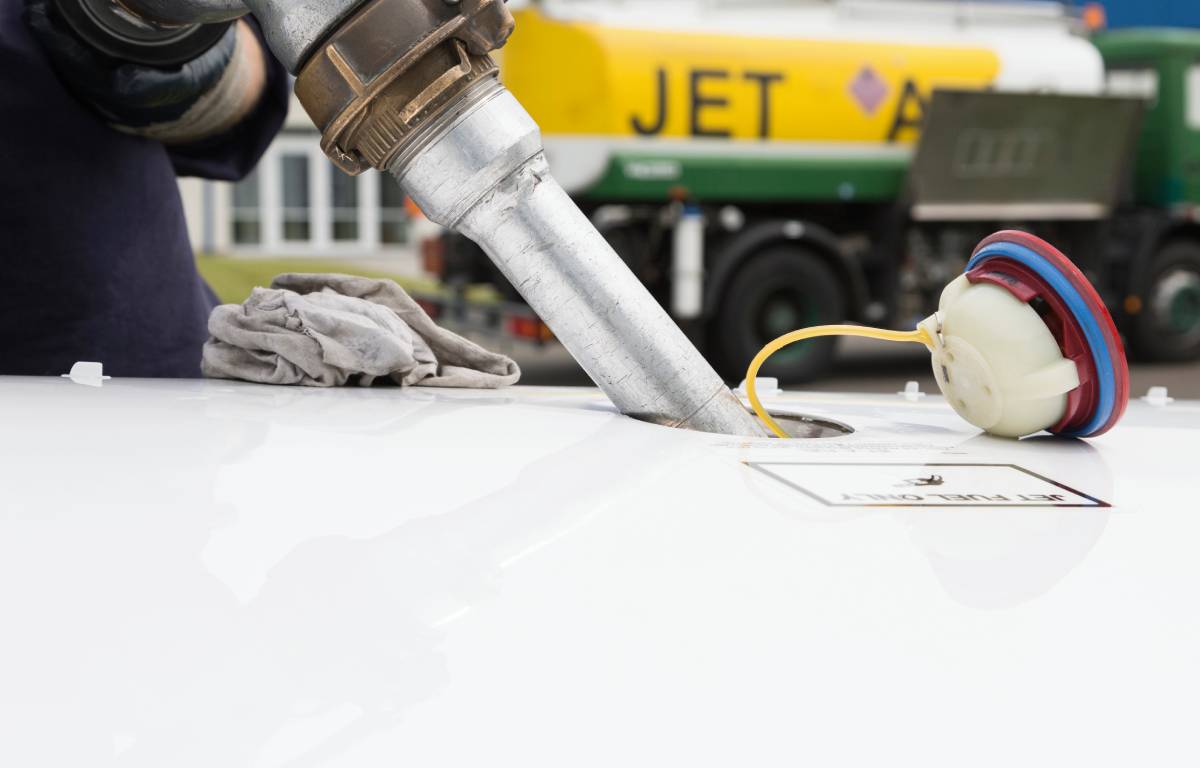
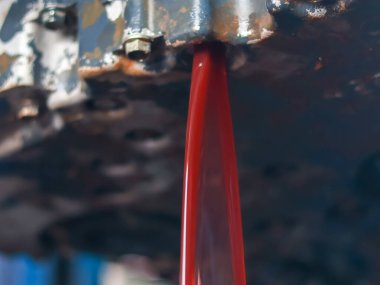
Off-road diesel is a type of diesel fuel specifically designed for engines operating off public highways. In many jurisdictions, this fuel is easily identifiable by the red dye added to it. It may also be commonly called off-road fuel or off-road diesel. The primary reason for its existence is to provide a tax-exempt fuel option for work and machinery that does not utilize public roads. Operations that benefit from off-road diesel include the following.
- Construction and earthmoving equipment such as excavators, bulldozers, and loaders
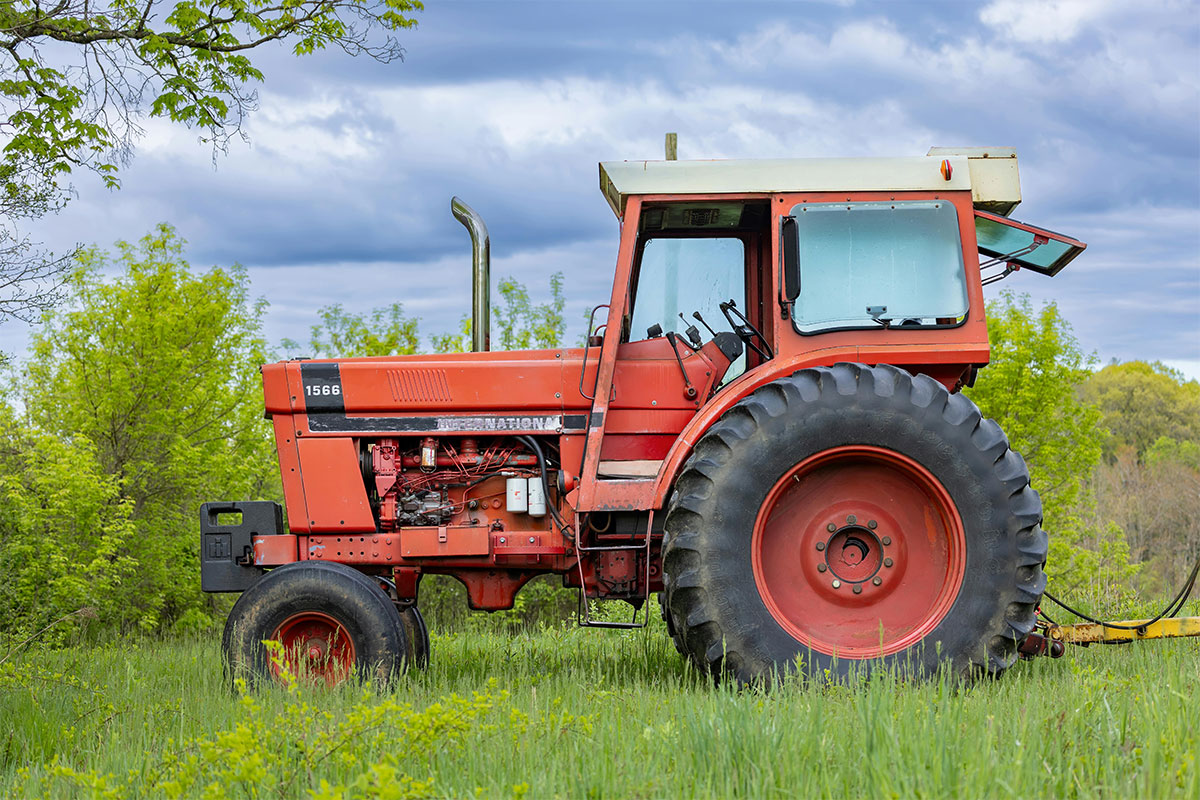
- Agricultural equipment such as tractors and combines
- Industrial equipment such as forklifts, compressors, and pumps
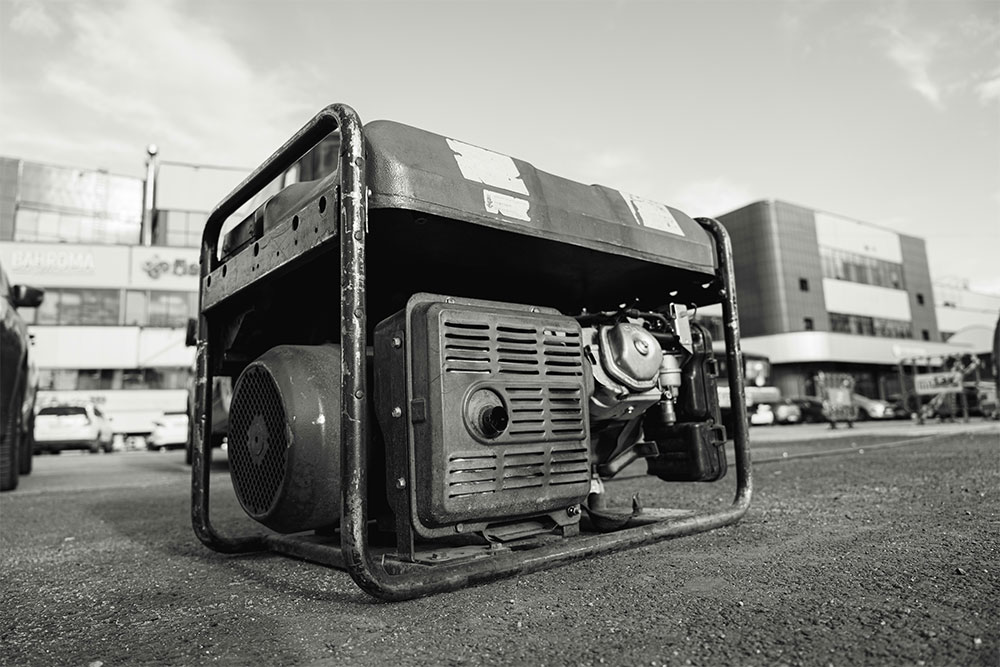
- Stationary engines such as backup generators and some heating or process equipment
- Mining and forestry equipment that operates on private property
The reasons off-road diesel exists are financial and administrative. It separates fuel used for non-highway work from fuel used on highways.
Want To Avoid Red Dyed Diesel Penalties?
If you operate farms, fleets, or job sites, the risk is not performance; it is compliance. Get a simple guide to storage, receipts, and usage logs that help prove your fuel was used legally.
What Is Highway Diesel And When Is Clear Diesel Required?
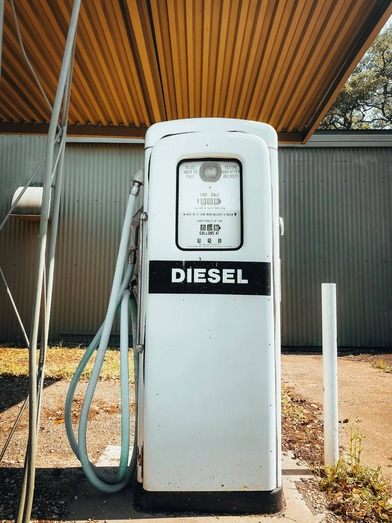
What is highway diesel? It is clear, on-road diesel is specifically formulated for vehicles that operate on public roads. This fuel includes the necessary taxes that are dedicated to funding highways and related public infrastructure. If your vehicle is registered for road use and you operate it on public roads, you are generally required to use this clear diesel.
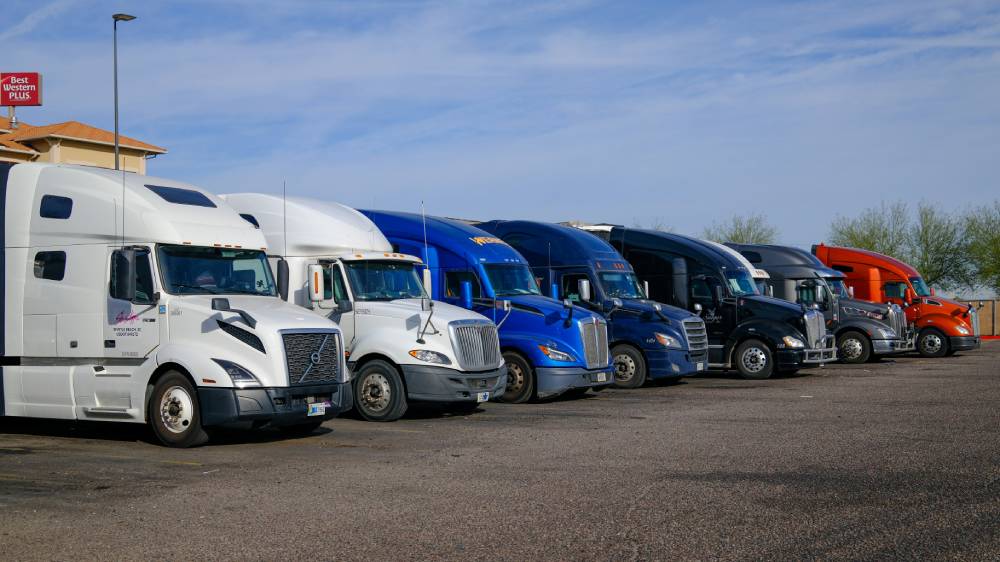
Clear diesel is typically mandated for vehicles such as highway trucks, pickups, and vans that drive on public roads, as well as buses and commercial fleets operating on streets and highways. It is also required for any diesel vehicle subject to road fuel inspections or compliance programs, including mixed-use operations that sometimes enter public roads. From a compliance standpoint, the difference between on-road diesel vs off-road diesel is fundamentally about whether the highway fuel tax has been paid.
Difference In Dye Between Off-Road Diesel Vs Regular Diesel
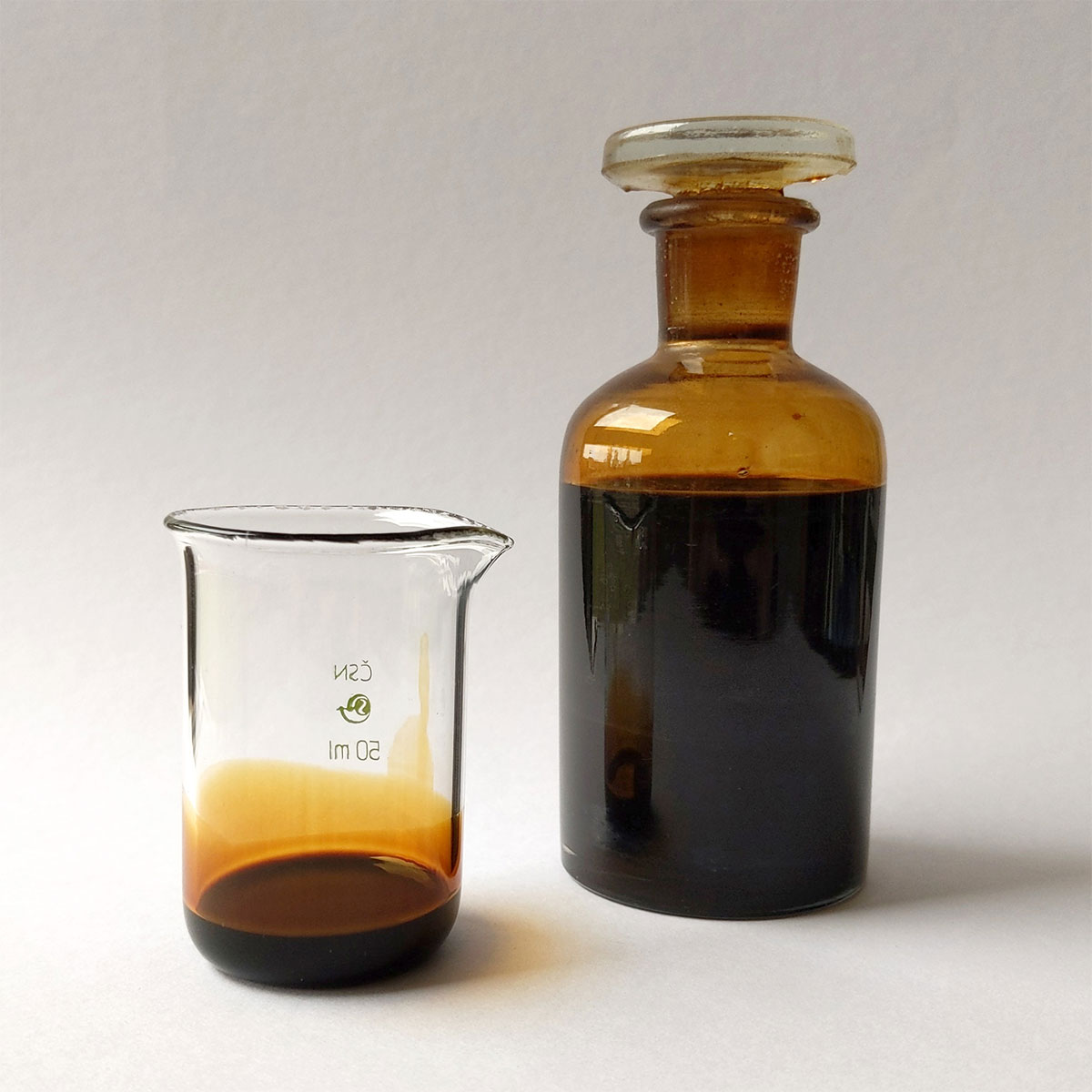
A key factor in the enforcement of rules differentiating off-road diesel vs regular diesel is the use of dye. This marker is deliberately added to fuel that is sold as tax-exempt for off-road use. The specific dye and its required concentration are determined by local regulations, but the fundamental goal remains consistent: to ensure the fuel is easily identifiable. This is why discussions around red dye diesel vs regular diesel are so common.
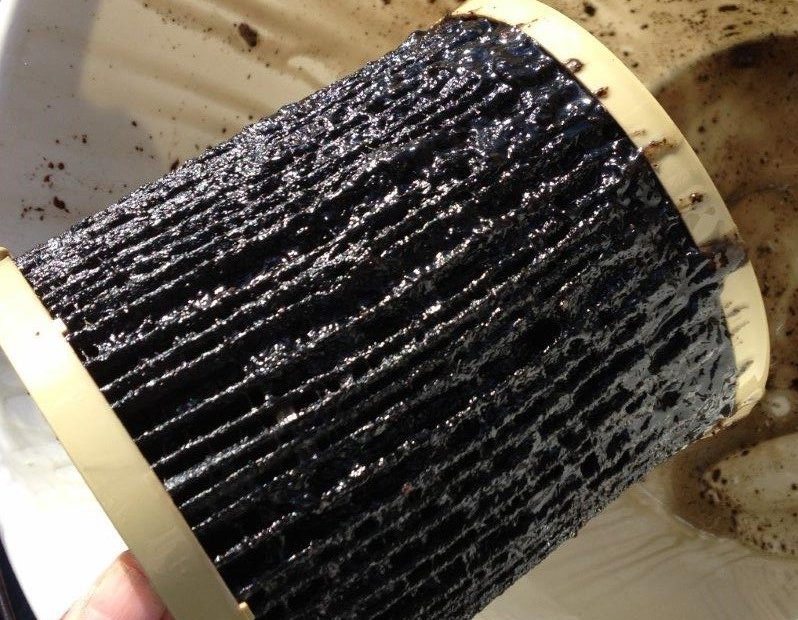
The dye significantly supports tax compliance and enforcement. It allows inspectors to visually identify tanks and filters during checks. Regulators can also take samples and test for dye presence, verifying the fuel’s origin. The ease of verifying whether diesel is dyed or undyed acts as a powerful deterrent, discouraging the illegal use of tax-exempt fuel in vehicles intended for public highways. The dye’s purpose is purely regulatory, not to alter engine performance.
Is Off-Road Diesel The Same As Kerosene?
The question, is off-road diesel the same as kerosene, arises because both are sometimes used in certain engines or included in fuel blends. However, they are distinct products. Kerosene is a more refined, lighter middle distillate, typically used for heating, lighting, or as a blending component. Key differences include the following.
- Refining and properties: Kerosene is typically lighter than diesel and demonstrates distinct cold flow behavior and lubricity characteristics.
- Allowed substitution: Even when an engine can operate using a blend, all legal fuel rules remain applicable. Employing kerosene in a highway vehicle does not automatically satisfy diesel tax regulations.
- Blending use: In colder climates, kerosene may be blended with diesel in some markets to improve low-temperature performance. This practice does not convert dyed diesel into kerosene or render the fuels identical.
Is #2 Diesel The Same As Off-Road Diesel In Real-World Use?
Diesel grade labeling, such as #2 diesel, should not be confused with the legal classification of the fuel. #2 diesel is a common fuel grade used for both on road and off road engines in various climates. Off road diesel is a tax and use category that is typically dyed red to indicate its tax-exempt status for off-highway use. It is possible to have two products that are both #2 diesel, yet one is dyed for off-road use and one is clear for on-road use.
The distinction between off road diesel vs diesel lies in its tax status and whether it is dyed, not necessarily in its grade. The off road diesel difference is primarily its legal classification, often marked by dye, and its tax-exempt status. Modern diesel, for both markets, is generally Ultra Low Sulfur Diesel in most regions, but users must always comply with local regulations and equipment supplier specifications. Therefore, a more accurate comparison is offroad diesel vs regular diesel within the same grade.
Trying To Save Money On Diesel Without Breaking Rules?
Off-road diesel can be cheaper mainly because of taxes, but the price gap depends on location and season. Learn how to compare quotes and decide when clear diesel is required for your vehicles.
Can You Run Off-Road Diesel In A Regular Diesel Vehicle Safely?
Mechanically, most diesel engines can operate on dyed diesel fuel. This fact is precisely why people often ask is offroad diesel the same as regular diesel, and the resulting confusion in the answer is understandable. The most significant concern, however, revolves around legal and compliance risks, not immediate mechanical failure.
Here is the practical reality. While mechanical compatibility exists, using dyed fuel on public roads can result in severe legal penalties, including substantial fines and back taxes. This compliance issue is the primary reason what’s the difference between off-road diesel and on-road diesel is a critical question. Furthermore, while the dye itself is harmless, any off-specification fuel can cause problems, particularly with sensitive modern emissions systems.
What Happens If You Use Off-Road Diesel In A Truck?
Using dyed, off-road diesel in a highway truck poses several risks. Mechanically, the truck may operate normally initially, but poor fuel quality can eventually damage injectors, filters, or fuel pumps. Compliance risks are also significant.
Detection can occur during roadside inspections, weigh station stops, or fleet audits. While the dye itself rarely causes emissions component concerns, contamination and poor fuel handling can, and a compliance violation is always costly. This illustrates why what’s the difference between diesel and off-road diesel is a practical question, even if the engine performance feels similar.
Why Can’t Off-Road Diesel Be Used On The Road Legally?
The fundamental distinction between on-road and off-road diesel lies in taxation, as public roads are funded by taxes collected on fuel purchases. Off-road diesel is sold without these taxes, so using it on public highways constitutes tax avoidance.
There are also important reasons for enforcement and fairness. The dye in off-road fuel allows for compliance checks. When people ask what’s the difference between on-road and off-road diesel, the honest answer is that the fuel is part of a public funding system, not merely a commodity.
How Much Cheaper Is Off-Road Diesel Compared To Clear Diesel?
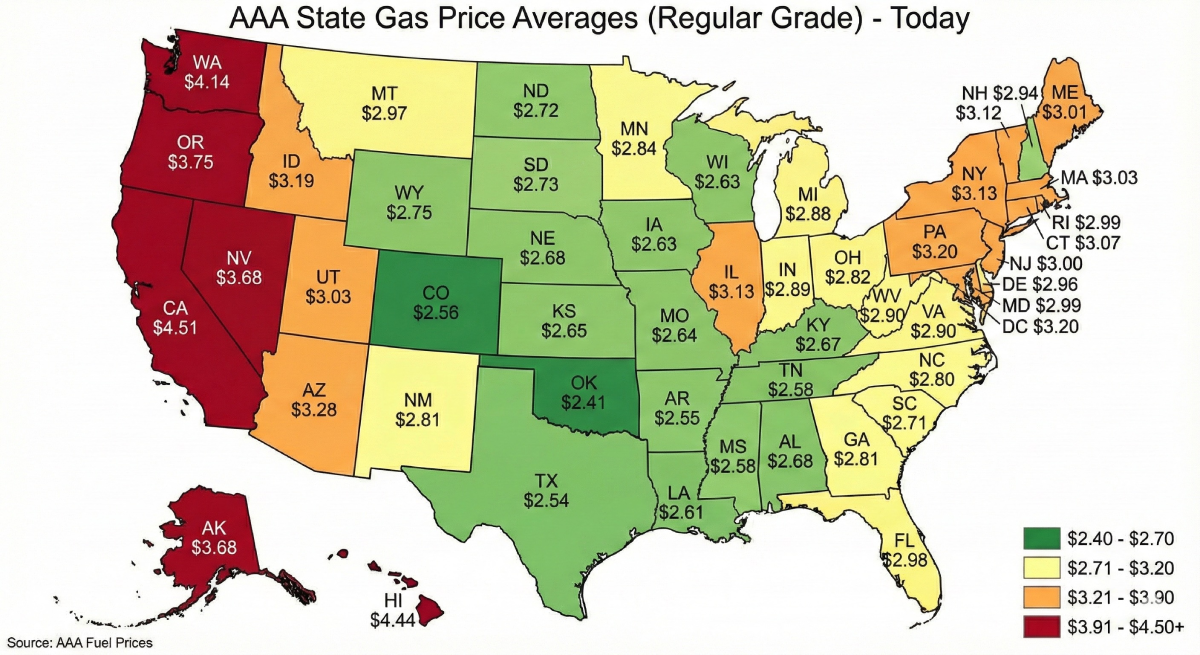
Many potential buyers frequently ask how much cheaper off-road diesel is. The primary reason for the colored dye in this fuel is its tax-exempt status, as it avoids road taxes. The resulting price difference is highly variable, depending on the location and the specific road tax rate applied to highway diesel.
Several factors influence this cost gap. The most significant is the level of road taxes and fees. Other factors include local market competition, wholesale availability, seasonal lending costs such as cold-flow additives, and potential savings from large-volume, bulk deliveries.
Tax Differences Between On Road Vs Off Road Diesel
The primary distinction between off-road and on-road diesel is usually reflected in the price, specifically through taxes, which are applied either at the fuel pump or on the final invoice. Some of them are;
- Off-road fuel is often sold without certain highway taxes because it is intended for non-highway use.
- Some areas allow refund programs for certain uses, but documentation is usually required.
- Record keeping, including invoices, usage logs, and storage controls, helps show proper use during audits.