Need Emergency Fuel Delivery?
  info@elanfuels.com
Key Takeaways
- DEF is not an old technology, but it is now standard on most new highway diesel trucks in the United States and Canada.
- Most new heavy duty on road trucks began using DEF around the 2010 model year to meet tough EPA NOx limits.
- Many diesel pickups adopted DEF based SCR in the early 2010s, with Ford and GM heavy duty pickups first and Ram heavy duty pickups soon after.
- Nonroad and off road diesels often use DEF under Tier 4 rules, but the phase is stretched from 2008 to 2015 depending on power rating.
- DEF itself was introduced earlier in Europe and Japan, yet only became widespread in North American trucks once emissions rules tightened.
Table of Contents
When Was DEF Required?
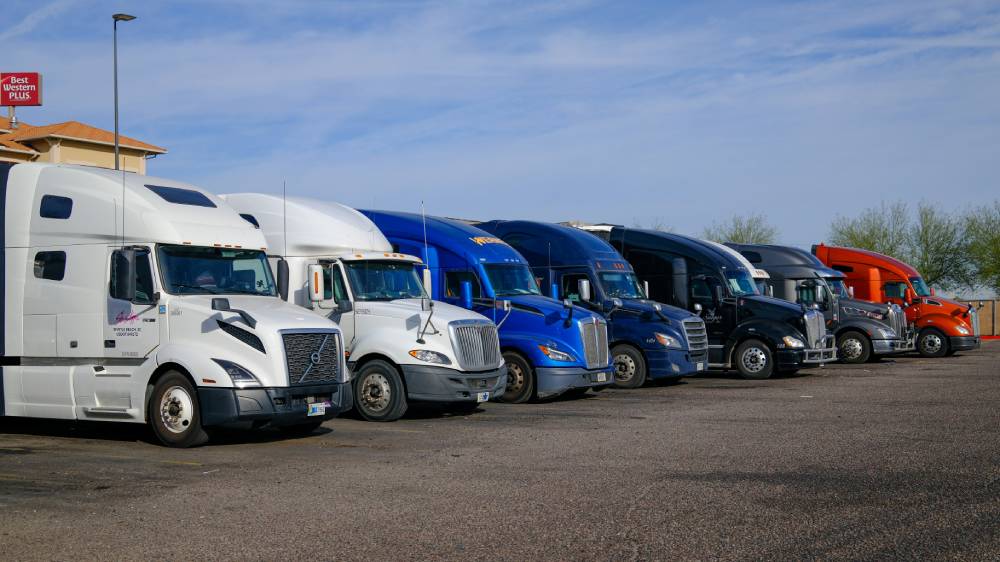
The key turning point for DEF on highway trucks was the EPA 2010 heavy duty diesel standard. That rule cut the allowable nitrogen oxide output by about ninety percent compared with the 2004 level. To hit that target most manufacturers adopted Selective Catalytic Reduction systems that need DEF.
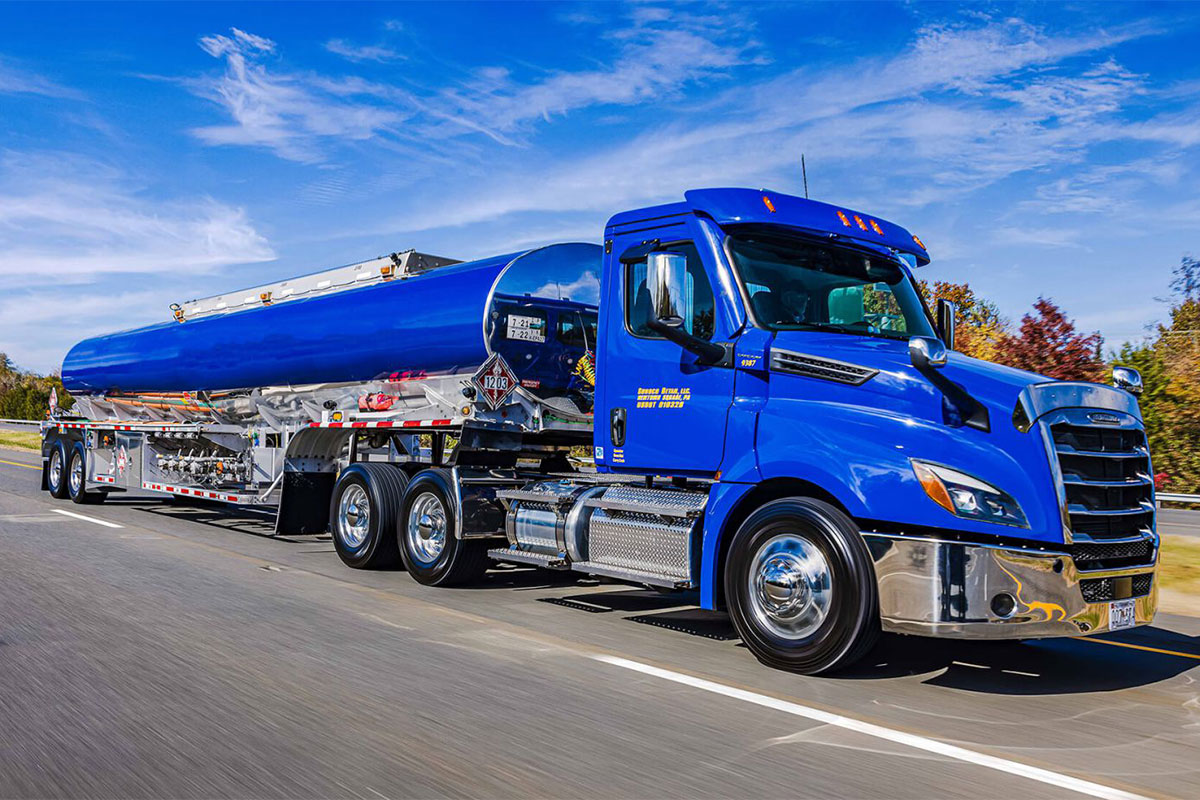
New heavy-duty highway diesel trucks built for the 2010 model year and later effectively require Diesel Exhaust Fluid (DEF) to meet federal emission limits. Older in-service trucks were not retrofitted. Light-duty and pickup diesels followed shortly thereafter. While the law regulates emissions, not the fluid, and some edge cases use other technologies, most on-road heavy trucks after 2010 utilize DEF as part of the standard exhaust system.
What Year Was DEF Required In Diesel Engines?
There is no single universal year that covers every diesel engine. The year depends on engine type and the rule that applies. The table below gives an overview.
| Diesel application type | Key emission rule and phase in | Typical first model years with DEF based SCR |
|---|---|---|
| On road heavy duty trucks over about 26000 lbs | EPA 2010 heavy duty on highway NOx standard, phased from 2007 to 2010 | Most engines and trucks using DEF from the 2010 model year onward |
| Light duty and pickup diesels | EPA Tier 2 and later standards for light duty vehicles | Many pickups from the 2011 model year and newer, plus later light duty diesels |
| Nonroad and off road equipment | EPA Tier 4 rule signed in 2004, phased in 2008 to 2015 | Many Tier 4 interim and Tier 4 final engines use DEF during this period |
The required date for Diesel Exhaust Fluid (DEF) varies by engine category, which explains why someone asking “what year was DEF required in diesel engines” or “when was DEF required for diesel engines” will receive different answers. For heavy trucks, the requirement began around 2010. However, the requirement for many pickups and nonroad engines was implemented a few years later as their respective regulations became stricter.
Not Sure If Your Diesel Legally Needs DEF?
Many owners are unsure which model years and engine types actually require Diesel Exhaust Fluid. We break down DEF rules by truck size, model year and use case so you can see exactly where your vehicle fits and what the law expects from you.
When Did DEF Fluid Become Mandatory For Vehicles?
Diesel Exhaust Fluid (DEF) became essentially required for heavy-duty highway diesel trucks around the 2010 model year to meet stricter EPA emission limits for nitrogen oxides and particulate matter under the Clean Air Act (2007 and 2010 standards). Manufacturers largely adopted Selective Catalytic Reduction (SCR) with DEF as the practical solution. Some small diesel cars and vocational equipment used other methods like exhaust gas recirculation (EGR).
Is DEF Required In All States?
The answer to is def required in all states and is def required in all states for trucks that were built with DEF and SCR is yes. The requirement flows from federal law, not separate state rules. Key points are
- EPA emission standards apply nationwide for new engines and vehicles, so any engine family certified using SCR and DEF must keep that system working whether the truck runs in California, Texas or Alaska.
- State agencies and local air districts may enforce the rules differently. Some use roadside inspections, opacity checks or periodic safety and emissions tests. Penalties and fine amounts can vary by state.
- Off road, farm and construction equipment may fall under different schedules or enforcement programs, yet Tier 4 engines that use DEF still need it in every state.
So drivers asking is def required in all states should know that if their truck has a DEF tank from the factory, they must keep it filled and operating correctly everywhere in the country.
Debating A Pre DEF Versus Newer DEF Truck?
Pre DEF diesels can look attractive for simplicity, but they also face tighter limits in some clean air regions. Use our side by side comparison of pre DEF and DEF era trucks to weigh emissions rules, operating costs and future restrictions before you buy.
What Year Was DEF Introduced Into The Market?
DEF, an aqueous urea solution, feeds Selective Catalytic Reduction (SCR) systems to convert nitrogen oxides into harmless nitrogen and water. This technology emerged in heavy vehicles in Japan and Europe in the early 2000s, with a Japanese heavy truck using SCR arriving in 2004, and a DEF supply network established in Japan by 2005.
In Europe, AdBlue DEF became common with the Euro IV and Euro V truck standards in the mid-2000s. In North America, commercial availability started in the late 2000s as truck manufacturers prepared for the EPA 2010 heavy-duty standard and SCR designs. Thus, DEF was available commercially before it became standard on United States trucks.
Can You Buy A Diesel Truck Without DEF?
You can still find diesel trucks without DEF, but they sit in clear groups. Buyers who wonder when did diesels start using def or when did diesel start using def can use these checks
- Pre 2007 trucks do not have DEF and often do not have diesel particulate filters. They are older and may face limits in some clean air regions.
- Many 2007 to 2009 heavy trucks and pickups have particulate filters but no SCR and no DEF. They were built under older NOx rules.
- Some later niche or low volume diesels rely on other technologies for emissions control and do not use DEF, yet they are less common than DEF equipped trucks.
If you want to avoid DEF entirely you will almost always be looking at used pre DEF era trucks. For modern fleets the convenience of newer engines and cleaner exhaust usually outweighs the extra step of topping up the DEF tank.
When Was DEF Added To Diesel Pickup Trucks?
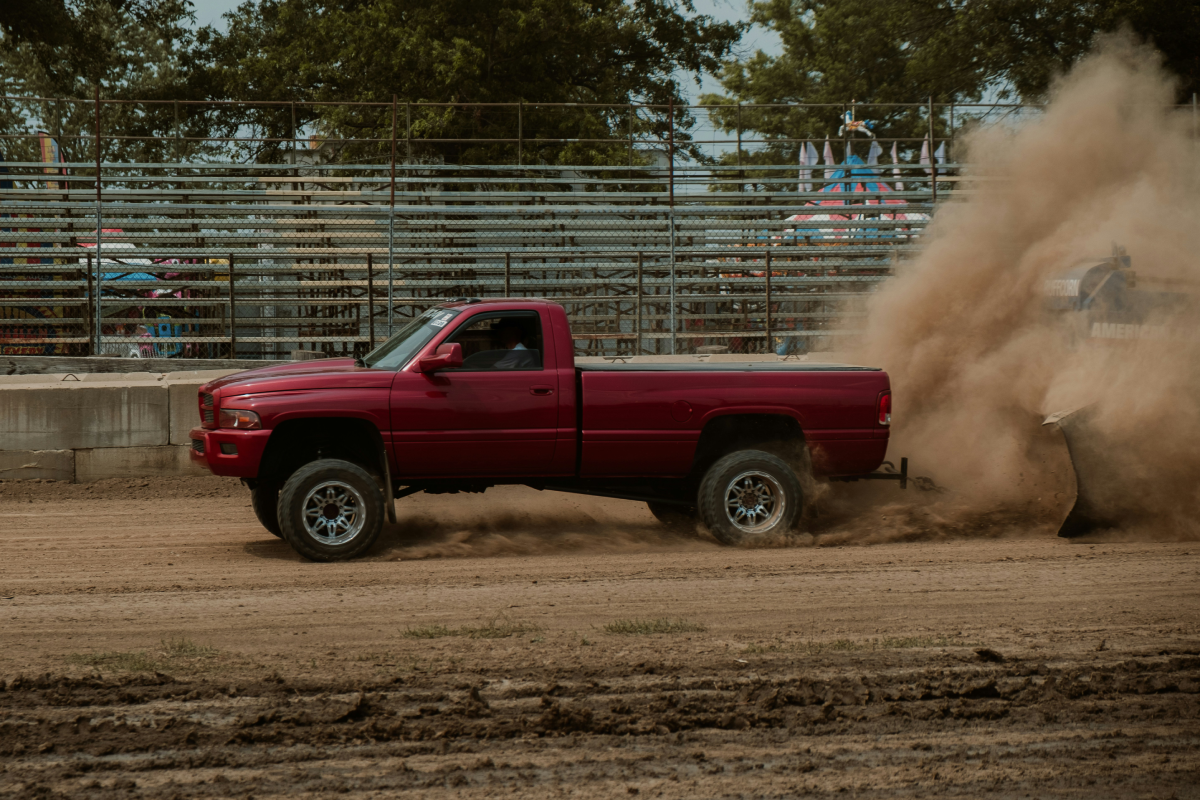
Pickup trucks adopted Diesel Exhaust Fluid at different times in the early 2010s. Large heavy-duty pickups from Ford Super Duty and General Motors added DEF/SCR systems for the 2011 model year to meet the 2010 heavy-duty emission standard. Ram chassis cab models used DEF around 2010, but the full-size Ram 2500 and 3500 pickups started using DEF in the 2013 model year. Smaller, light-duty diesel pickups followed later in the decade.
Why Was DEF Usage Made Mandatory For Vehicles?
Diesel Exhaust Fluid (DEF) became essential for reducing nitrogen oxides (NOx) emissions, a major health and air quality concern linked to respiratory and heart disease. Selective Catalytic Reduction (SCR) with DEF allows engineers to optimize diesel engines for efficiency while cleaning NOx in the exhaust, meeting stringent smog and ozone targets without sacrificing torque or fuel economy. When regulators demanded a nearly ninety percent reduction in NOx from early 2000s levels, technologies like Exhaust Gas Recirculation (EGR) alone were insufficient. SCR with DEF provided a practical, cost-effective solution, making it the standard answer for when DEF was introduced on modern trucks.
Running A Fleet With Mixed DEF And Non DEF Vehicles?
EPA rules, Tier 4 timelines and state inspections can be hard to track across different engine categories. We help you map which units need DEF, plan refills and avoid costly violations with a simple compliance checklist built around your fleet.
Are There Exceptions To The DEF Requirement?
Some trucks and machines either predate DEF or follow different control paths. Many readers ask what year diesels require def and also want to know who is exempt.These are some key pointers:
- Any diesel built before DEF based SCR was introduced for its class is not required to retrofit a DEF system, although it must still meet any local inspection rules.
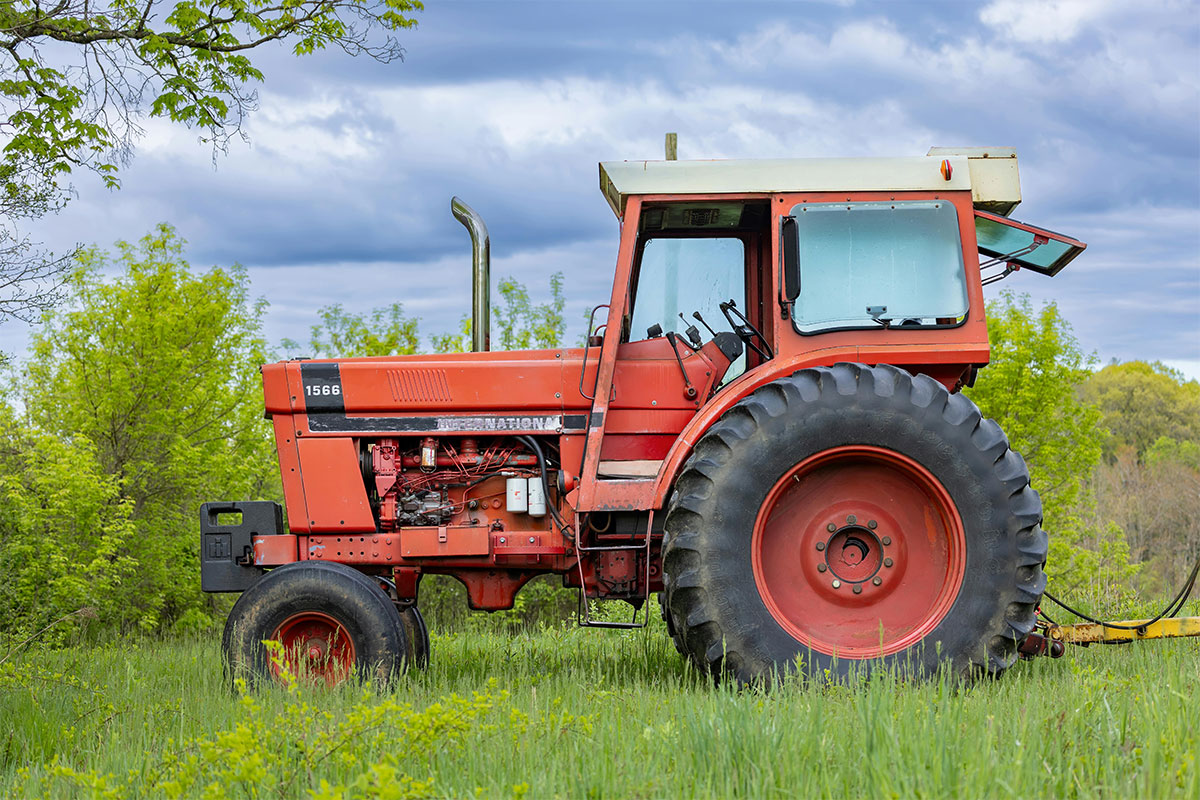
- Some off road equipment, farm tractors and stationary engines follow separate Tier 4 schedules and in a few cases use alternative technologies instead of DEF.
- There are limited low volume and vocational exemptions where manufacturers can apply credits or use different technical solutions.
What is not allowed is tampering. Bypassing or deleting a DEF system on a truck that was certified with SCR is illegal and can bring significant federal and state penalties along with warranty loss and possible safety issues.
What Was The Last Era Of Diesel Vehicles Before DEF Systems?
Owners often talk about pre DEF trucks as a distinct era. For heavy on road trucks and big pickups the last years before DEF were roughly the late 2000s. Engines already had more advanced injection systems and often diesel particulate filters, yet had not moved to full SCR and DEF. The introduction of DEF in trucks, starting around 2007-2009, created a generation gap. Trucks from this period, preceding DEF use, are valued for simplicity but emit more NOx, leading to stricter operating limits or higher costs in certain areas compared to newer DEF-equipped models.
When Did DEF Become Required Under EPA Rules?
EPA rules set tight emission limits, making Diesel Exhaust Fluid (DEF) based Selective Catalytic Reduction (SCR) the primary compliance method. For heavy-duty trucks, the EPA 2010 NOx standard mandated SCR and DEF use starting with the 2010 model year. Non-road Tier 4 rules, phased in from 2008 to 2015, also widely adopted SCR and DEF to achieve significant NOx and particulate matter reductions. The core of EPA’s DEF policy requires engines to meet a specific emissions limit and maintain their certified aftertreatment systems. Since SCR with DEF is often the only practical way to meet this limit, it essentially becomes a DEF requirement for operators.
Why Did The EPA Change Diesel Regulations To Include DEF?
From the first Clean Air Act in 1970 through later amendments in 1990, regulators sharpened their focus on mobile sources of pollution. Heavy duty diesels were a large share of nitrogen oxide output on American roads.The EPA set strict new heavy-duty and nonroad NOx limits due to increased urban air quality and ozone concerns. Selective Catalytic Reduction (SCR) with Diesel Exhaust Fluid (DEF) was chosen over other options because it is adaptable, effective at highway loads, and compatible with onboard diagnostics.
Although the rule didn’t explicitly mandate DEF, the strict emission limits and the adoption of SCR made DEF standard equipment on most new highway diesel vehicles.
Is The EPA Getting Rid Of DEF In The Future?
There are no plans to remove DEF regulations in the nearest future, in fact, heavy duty rules for later this decade tighten NOx limits even further for model year 2027 engines and beyond, which will likely keep SCR and DEF central for any remaining diesel trucks.
At the same time many governments and manufacturers are investing in battery electric trucks, fuel cells and other zero emission options. Over time these new powertrains may reduce the share of diesels on the road. However for fleets that still rely on internal combustion, DEF remains an essential part of meeting current and upcoming standards.
Discussion around replacements for DEF sometimes mentions new catalysts or synthetic fuels, but these ideas are still under development and do not replace DEF in the near term.
When Did Ram Trucks Start Using DEF Systems?
Ram offers a useful case study because it spans chassis cab work trucks and pickup trucks. For medium duty Ram chassis cab models with the Cummins diesel, factory material shows DEF based SCR in use around the 2010 model year to meet clean diesel standards.
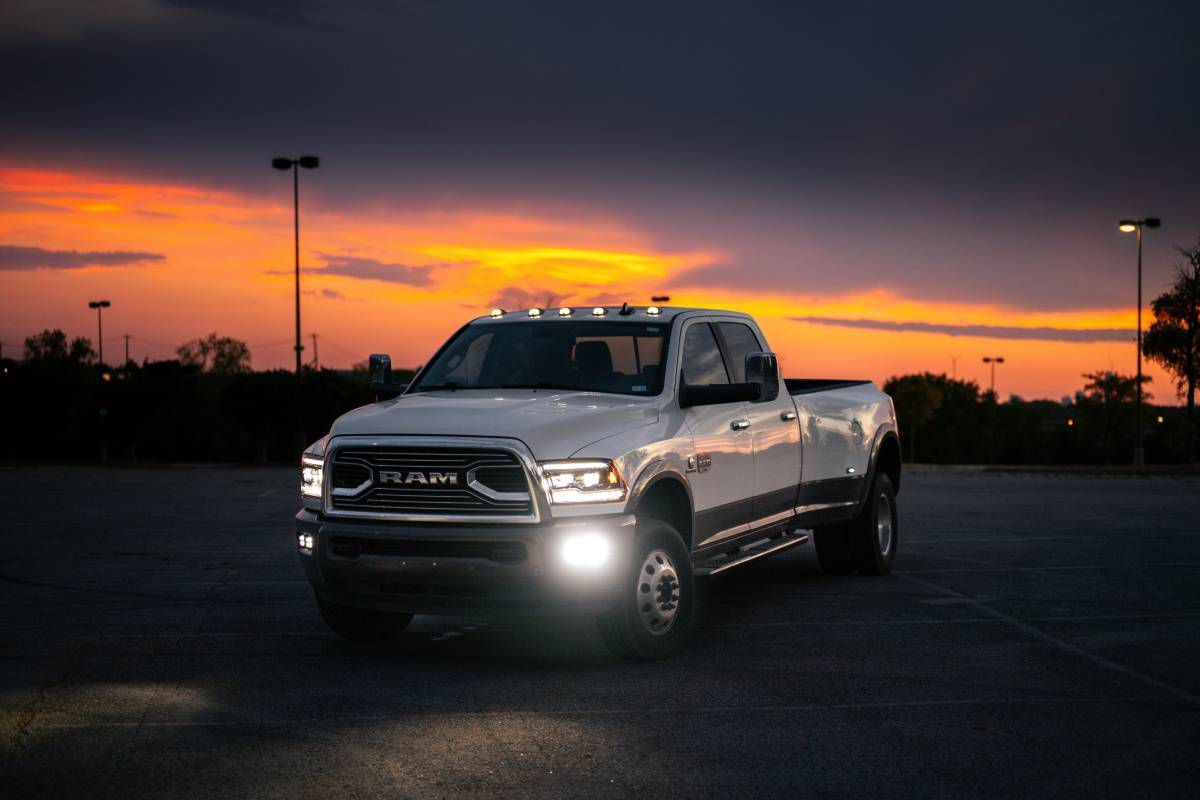
For Ram 2500 and 3500 heavy duty pickups DEF arrived a little later. Manufacturer brochures and technical supplements describe a next generation DEF and SCR system added for the 2013 model year, along with updated cooling and higher power ratings. Different Ram models use different DEF tank sizes and warning strategies. Chassis cabs aimed at commercial fleets often have larger tanks for longer refill intervals, while pickups balance DEF capacity with bed and frame packaging. So when owners ask what year did diesel trucks require def or when did they start putting def in diesel trucks for Ram specifically, the answer is that DEF appears on Ram chassis cabs around 2010 and becomes common on Ram heavy duty pickups starting with the 2013 model year.