Need Emergency Fuel Delivery?
  info@elanfuels.com
Key Takeaways
- Fuel oil vs diesel is mostly a question of use, additives, and regulation.
- Number 2 fuel oil and number 2 diesel are closely related middle distillates.
- What is the difference between fuel oil and diesel often comes down to engine standards and tax rules.
- What color is fuel oil is usually red when dyed for heating or off-road use.
- Is diesel fuel oil technically yes in a broad category, but not always in practical use
Table of Contents
Is Fuel Oil The Same As Diesel?
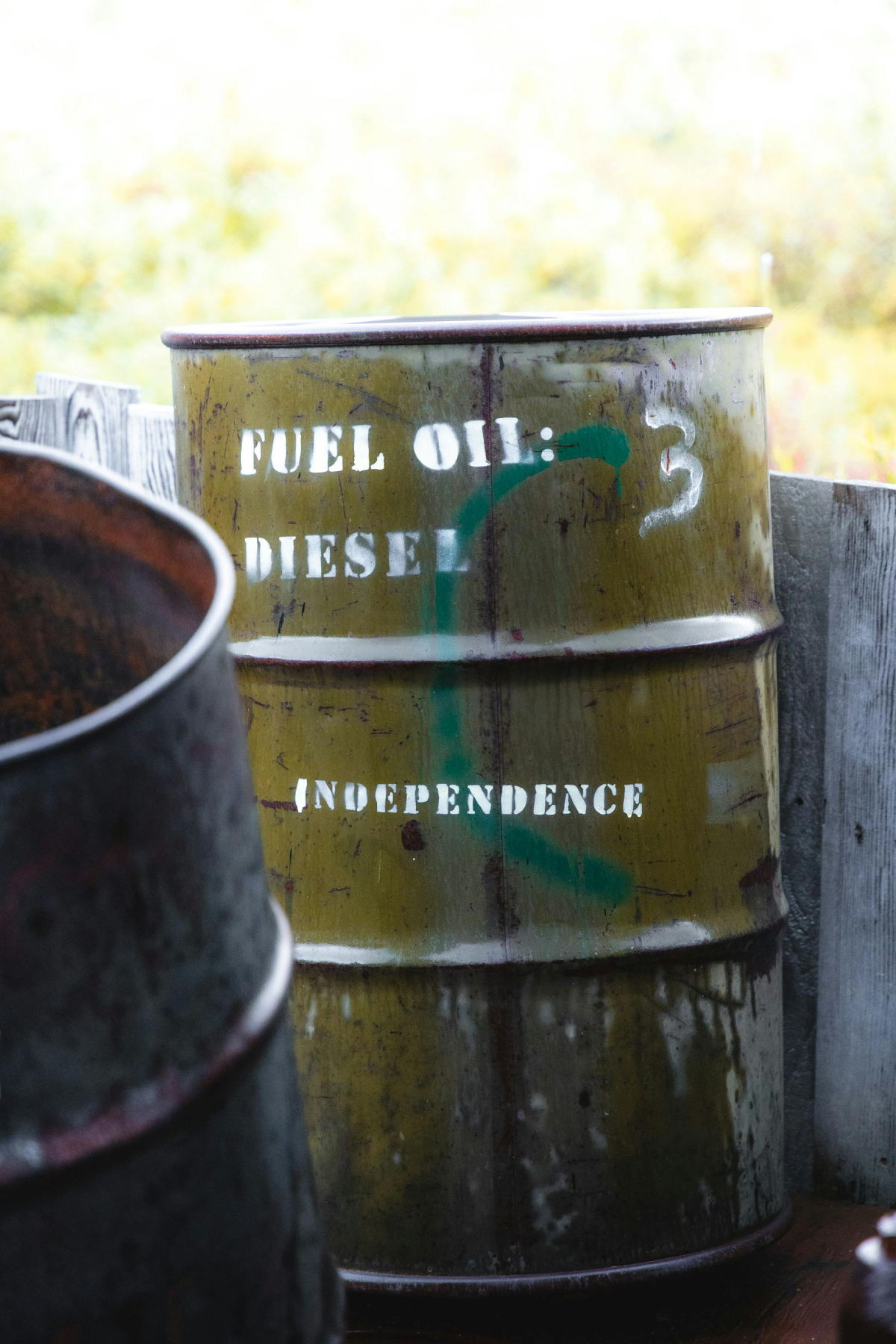
If you’re wondering what oil fuel is and whether it is the same as diesel, it’s important to know that both of them are petroleum distillates made from crude oil. In broad refining terms, both are middle distillates. This is why they can look and smile alike, and also why people wonder if fuel oil is the same as diesel.
During the refining process, crude oil is heated and separated into fractions by boiling range. Products like gasoline come off earlier, while the heavier ones remain in the lower column. Fuel oil, #2 fuel oil and diesel all come from the middle portion of this process.
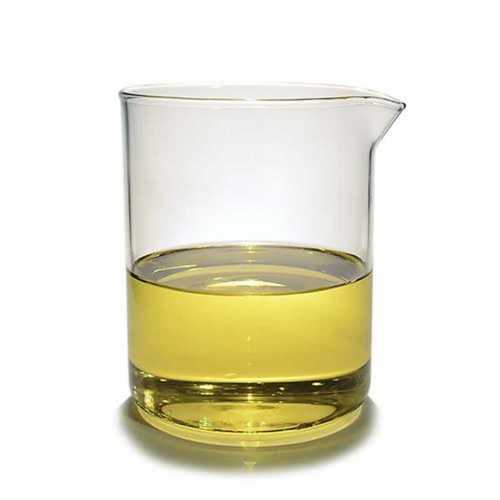
They are often confused because they both appear as light amber liquids and deliver useful heat energy. However, they differ in terms of use as diesel mainly serves engines while fuel oil, especially number 2 fuel oil is mainly hot boilers, heating systems and furnaces.
Diesel Vs Fuel Oil What Are The Chemical Properties?
Typical carbon chains in diesel fuel oil and heating oil generally range from C10 to C20. This chemical overlap contributes to the gasoil vs diesel confusion. Both diesel no 2 and no 2 fuel oil offer high BTU content per gallon. This strong energy density makes both substances highly effective for heat and power generation.
For storage, flashpoint is a key factor. Both products have higher flashpoints than gasoline. This characteristic enhances safety during storage and handling compared to lighter fuels. Still, adherence to safe storage rules is essential for tanks, vents, and spill prevention.
What Is The Difference Between Fuel Oil And Diesel?
When comparing what is the difference between fuel oil and diesel or what’s the difference between fuel oil and diesel, key distinctions exist in viscosity, cetane rating, sulfur content, additives, and legal use.
Heating oil is typically slightly heavier than road diesel, which is a major factor in the diesel vs fuel oil debate. Their primary purposes also differ significantly. Diesel is engineered for precise ignition within a high-pressure engine, requiring a high cetane rating. This is essential for products like no. 2 diesel fuel, type 2 diesel, df-2 fuel, df2 fuel, diesel fuel #2, and diesel no. 2 because controlled ignition is vital for engine performance. Conversely, heating oil’s main requirement is to burn steadily for stable heat output in a furnace or boiler, making the cetane rating less critical.
Furthermore, governmental regulations have increasingly separated the two products, especially concerning sulfur levels. Modern highway diesel generally adheres to much stricter sulfur limits than traditional heating oils, although cleaner heating products are becoming more common. Additives represent another major divergence, as road diesel often contains lubricity improvers, detergents, stabilizers, and cold flow improvers necessary for engine protection, while heating oil may include burner efficiency additives but usually lacks the full engine-specific package.
What Color Is Fuel Oil?
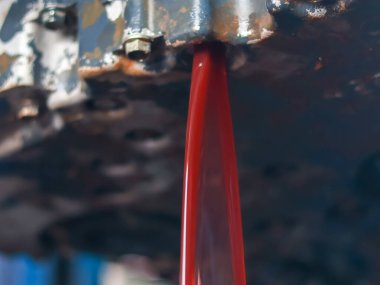
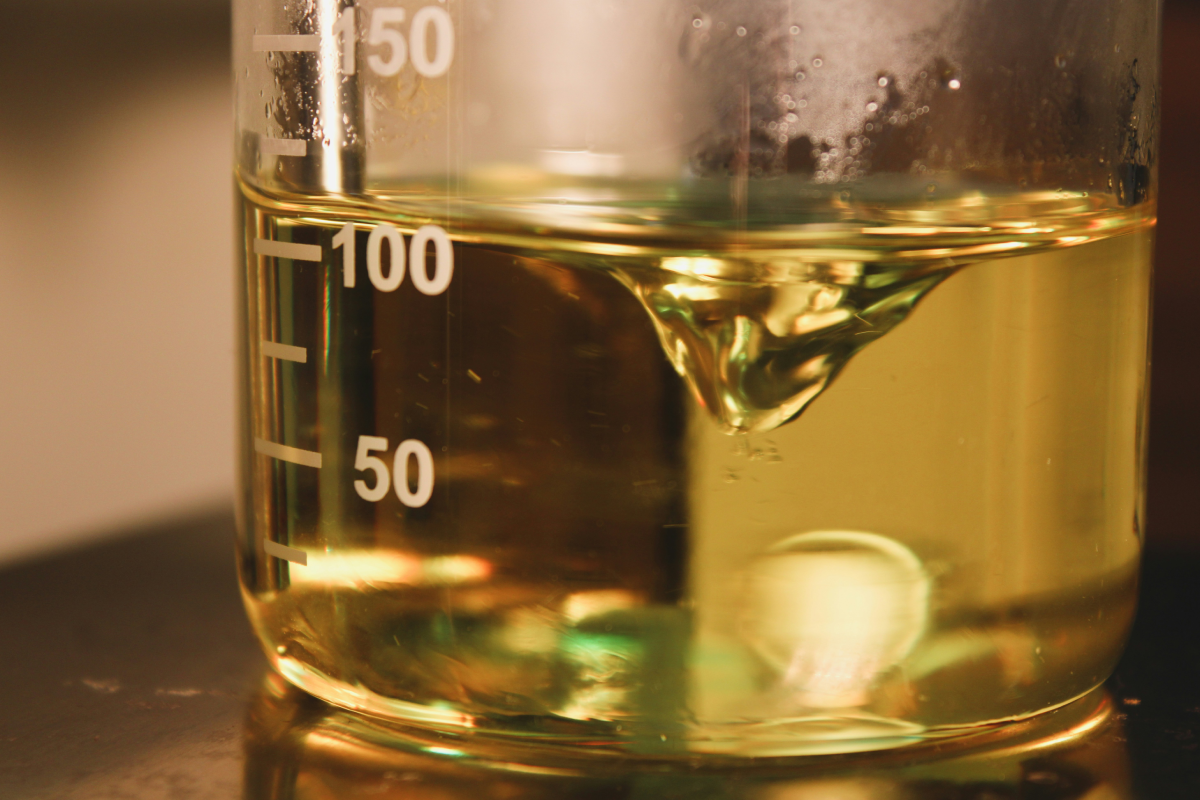
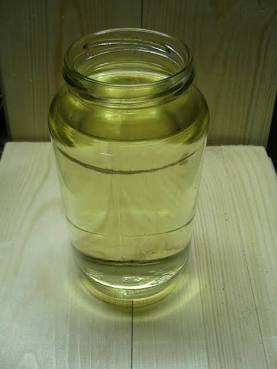
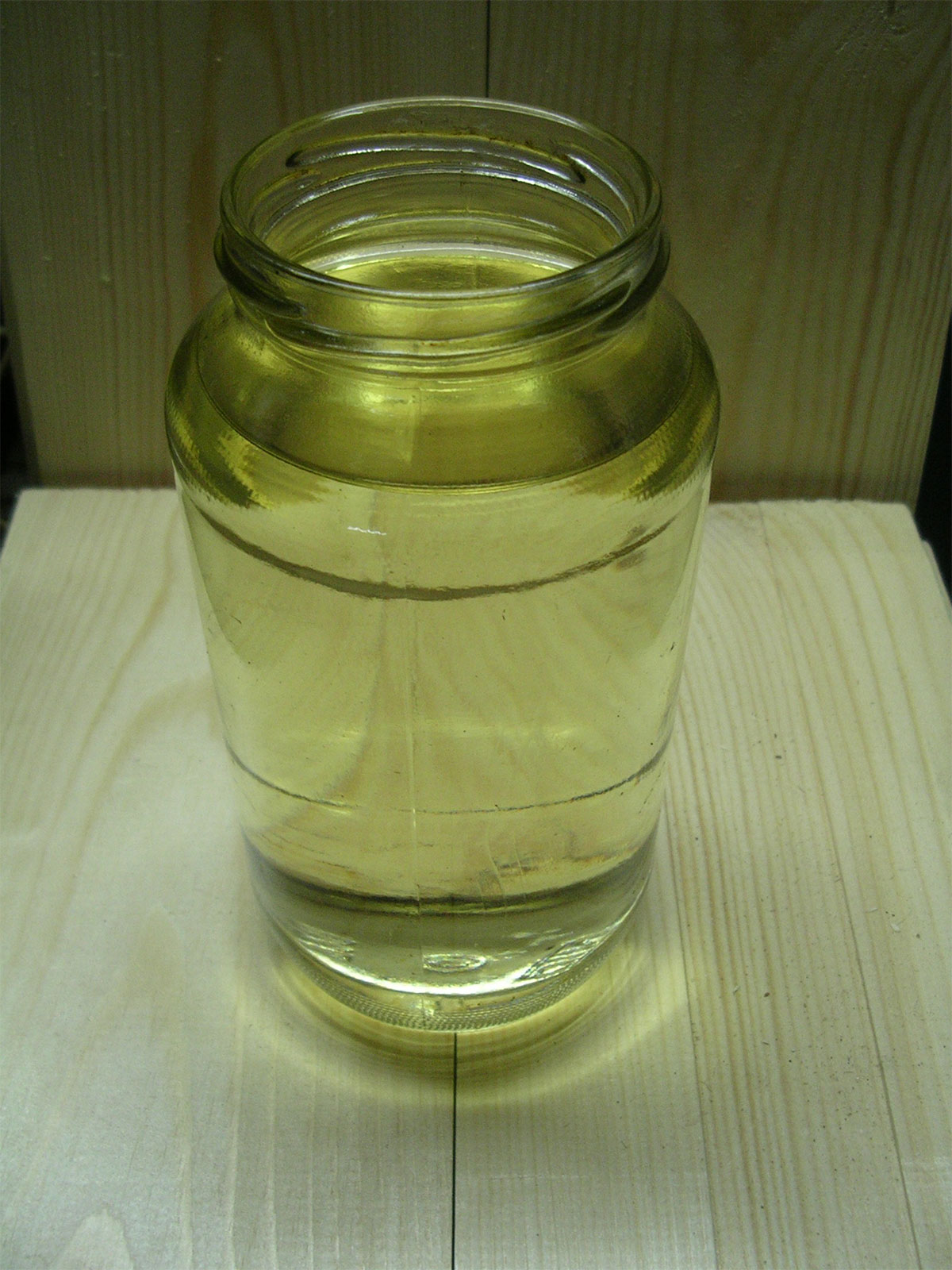
Many people ask what colour fuel oil is because color helps identify legal use. Heating oil and off-road diesel are often dyed red. This red dye signals that the fuel is untaxed for highway driving, a practice regulators monitor to detect misuse. Highway diesel is usually sold clear or lightly tinted. That clear appearance helps separate taxed road fuel from the red dyed product. Authorities can inspect a tank or sample fuel visually. A red tint may suggest heating oil or off-road product. This simple check is one reason color matters in the difference between fuel oil and diesel.
Is Fuel Oil Dirtier Than Diesel?
Historically, comparisons of diesel vs oil and oil vs diesel often favored diesel due to its superior cleanliness, which was particularly important for emissions sensitive engines. Older heating fuels were known for having a dirtier composition.
Today, modern refining processes have significantly reduced the sulfur content in many fuel products, creating a more balanced scenario. Road diesel still typically contains performance additives and detergents absent in standard heating oil, which helps maintain cleaner injectors and supports emission control systems. Consequently, heating oil is often still considered dirtier when compared to modern ultra-low sulfur on-road diesel, but this gap has notably narrowed.
Is Diesel Fuel Oil?
Diesel is technically a type of light fuel oil, placing it within the wider distillate fuel family. This explains common queries such as is diesel fuel oil, is diesel an oil, and is diesel #2 the same as diesel. The broader category of distillate fuels includes various heating oils and diesel grades. Therefore, in this overarching sense, diesel is accurately classified under a broad oil fuel or distillate category.
However, recognizing this broad classification is crucial. It does not imply that all fuel and oil products are interchangeable. These products encompass numerous grades, each possessing distinct uses, specific technical requirements, and varying legal treatments. While is diesel fuel oil can be answered with a broad yes, practically, substitution is not always possible.
Key Differences Between Heating Oil And Diesel
Here are the main differences between diesel fuel vs heating oil, difference between heating oil and diesel, and diesel vs home heating oil.
- Heating use
- Heating oil refers to fuel meant for boilers and furnaces.
- Diesel is built mainly for engines and injection systems.
- Storage
- Home heating oil sits in stationary tanks.
- Vehicle diesel is stored in mobile tanks exposed to vibration, contamination risk, and temperature swings.
- Injection standards
- Heating oil does not face the same injector protection demands as modern diesel fuel.
- Engine diesel must protect pumps, injectors, and emission hardware.
- Cold weather
- Diesel may be winterized for low-temperature flow.
- heating oil vs off-road diesel performance can vary more in freezing weather unless treated.
- Energy use
- Both have strong heat value, but diesel is priced and formulated for engine reliability first.
| Feature | Heating oil | Diesel |
|---|---|---|
| Main use | Furnaces and boilers | Engines and vehicles |
| Common color | Often red dyed | Usually clear for road use |
| Additives | Burner focused | Engine focused |
| Legal status | Heating and some off-road use | Road and equipment use depending on grade |
| Cold flow treatment | Sometimes limited | Often stronger in winter grades |
When Diesel Can Replace Fuel Oil
Road diesel and home heating oil are related petroleum products. In an emergency, road diesel can sometimes be added to a home heating tank if the system runs dry. This is why people often ask if home heating oil is the same as diesel, whether diesel is the same as heating oil, and if diesel fuel is the same as heating oil. This substitution provides a temporary solution, but it is not intended as a permanent replacement for heating oil.
For optimal system performance, clean fuel is essential, and spills should be strictly avoided. Following the furnace manufacturer’s guidance is critical, and a qualified technician may still be needed to check burner settings for best combustion efficiency. A major downside is the expense because road diesel is typically more costly than standard heating oil.
What Makes Home Heating Oil Cost More Than Diesel
The difference in cost, answering why home heating oil is more expensive than diesel, is multifaceted and influenced by seasonal demand, logistics, and taxation. Heating oil prices typically rise during winter due to increased residential consumption. Delivery expenses are also a factor because home heating oil is often transported by truck to individual residences, a less efficient process than the high-volume turnover of diesel at retail stations.
Although road diesel generally incurs higher direct fuel taxes than heating oil, the combined effects of higher delivery fees, smaller order quantities, and localized winter supply constraints can still drive heating oil costs above diesel prices in certain regions. Furthermore, petroleum diesel, gasoil, and heating products are traded in interconnected global markets, meaning local price fluctuations can reflect broader conditions within the refining industry.
Can You Use Alternatives For Heating Oil?
Bioheat blends now mix renewable content with heating fuel, reducing lifecycle emissions while keeping existing equipment in service. no 1 vs no 2 diesel style comparisons matter in cold weather because lighter fuels perform better in freezing conditions, although they offer less energy per gallon.
Vegetable-based oils are not simple drop-in options for standard burners. Burner design, viscosity, and deposit formation can become problems, which is why most systems stick with approved heating blends.
What Is Number 2 Fuel Oil?
What is number 2 fuel oil, what is #2 fuel oil, what is #2 oil, and what is #2 heating oil are all common queries for a single heating grade. This middle distillate product is often used in homes and buildings. Standard names for this product include number 2 fuel oil, no 2 fuel oil, fuel oil #2, #2 fuel oil, and distillate fuel oil no. 2.
It has a boiling range and weight suited to residential boilers and furnaces. It is lighter than heavy residual fuels such as No. 6, which are much thicker and used in very different systems. Because it balances handling, heat output, and cost well, number 2 heating oil remains the common residential choice.
How Number 2 Fuel Oil Compares To Diesel
The confusion peaks when asking if number 2 fuel oil is the same as diesel. Chemically, there is a strong overlap, which is why older machinery sometimes tolerated either product.
Legally and operationally, the answer is complex because while they are closely related distillates, they are not always the same finished fuel under current laws and equipment needs. That is the heart of the debate regarding #2 fuel oil vs diesel, fuel oil vs diesel, and diesel vs fuel oil as they share a similar base stock but have different final uses, tax treatments and additive expectations.
What Is Number 2 Diesel Fuel?
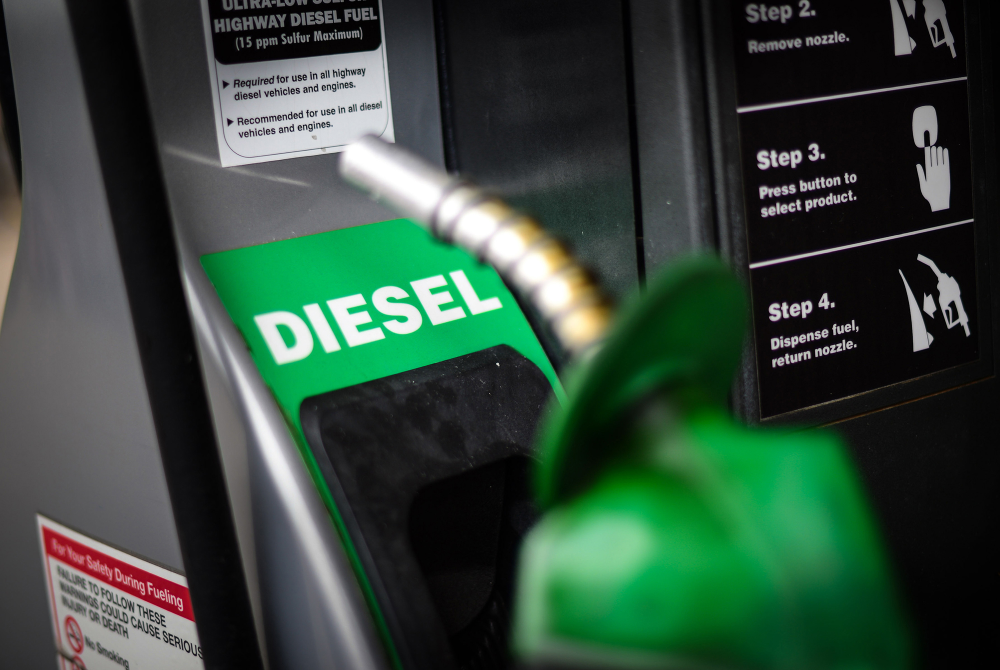
When people ask what number 2 diesel is, what is #2 diesel, what is no 2 diesel, what is number two diesel, they are all seeking to identify the standard diesel fuel grade, which is extensively used in trucks, buses, farm machines, and generators. This fuel is also commonly known as number 2 diesel, no 2 diesel, no 2 diesel fuel, no2 diesel, diesel no 2, diesel no. 2, no. 2 diesel fuel, diesel number 2, and diesel fuel #2.
This grade must satisfy specific quality standards; these standards cover lubricity, ignition quality, cleanliness, and stability. Adherence to these requirements is crucial for safeguarding the complex components of modern injectors and fuel systems. Number 2 diesel generally offers a higher energy content per gallon compared to lighter winter blends, however, it is more prone to gelling in extremely cold conditions unless it is properly treated with additives.
Can You Burn Fuel Oil In A Diesel Engine?
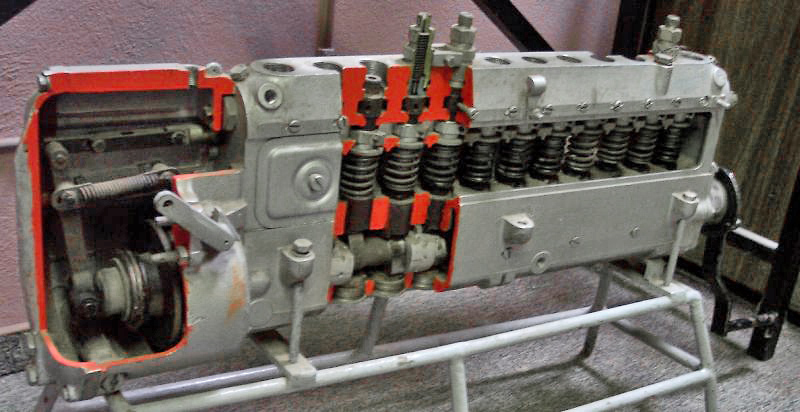
Using heating oil in a modern diesel engine is risky because modern common rail systems rely on exact fuel properties and specific additives. Heating oil lacks the necessary detergents and lubricity support, which causes injector deposits, poor spray patterns, and premature wear, impacting engine longevity. Emission systems, such as particulate filters, can also be severely damaged. Even if the base fuel appears similar, the incorrect product can significantly shorten component life and create legal problems.
Contact our expert consultants today to receive a customized fuel analysis and find the perfect substitute that protects your warranty and your bottom line.
Is Number 2 Fuel Oil The Same As Off-Road Diesel?
The question of whether number 2 fuel oil is the same as diesel used off-road is complex. Sometimes the products are extremely similar, potentially even originating from the same terminal stream before final handling processes begin. Both substances are frequently red-dyed and untaxed because they are not intended for highway use.
This shared characteristic is often why off-road users compare the two fuels so closely. Still, important legal restrictions must be considered. A fuel that is acceptable for heating applications may not be legally approved for every engine type. Users should always verify equipment guidance and local fuel regulations before considering the products identical for use.