Need Emergency Fuel Delivery?
  info@elanfuels.com
Key Takeaways
- Diesel and heating oil are almost identical fuels but they meet different ASTM specs
- Diesel works well for short-term heating
- Long-term diesel use can raise costs.
- Adding diesel to a tank is simple if handled carefully.
- Red diesel and kerosene have special rules
- Delivery planning prevents emergency risks.
Table of Contents
Can You Use Diesel For Heating Oil?
When the tank runs dry, diesel can stand in for heating oil and bring heat back quickly. The fuels come from the same distillate cut, so they burn in a similar way and deliver similar heat. The difference is how long you should use diesel and how you handle it safely.
Diesel can replace heating oil when needed. Both are refined from crude oil and fall under the distillate fuel category. Their energy content and burn properties are nearly the same.
Diesel is safe for a few days or weeks until delivery arrives. Many homeowners keep spare diesel on hand for this reason. Long-term use is not recommended, because it may contain additives meant for engines that increase soot and residue inside a furnace.
Safety considerations:
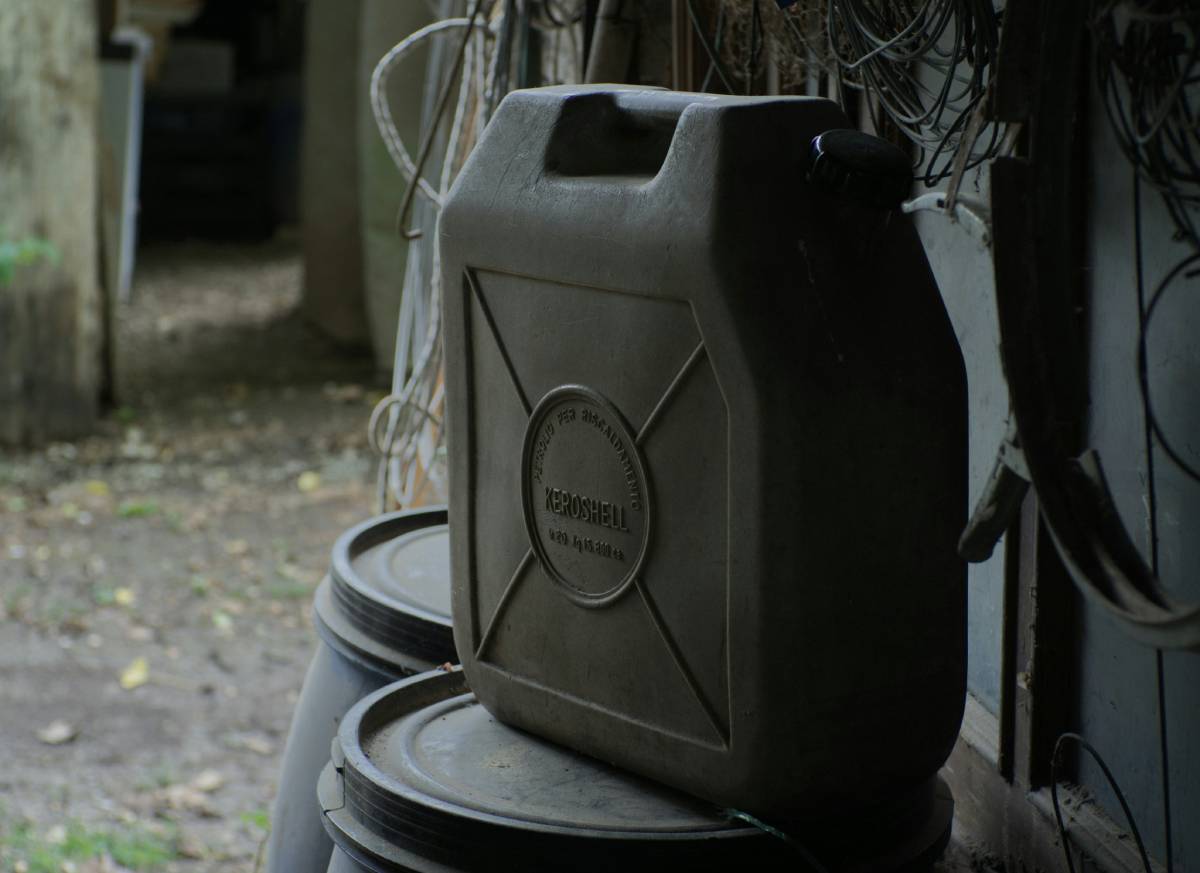
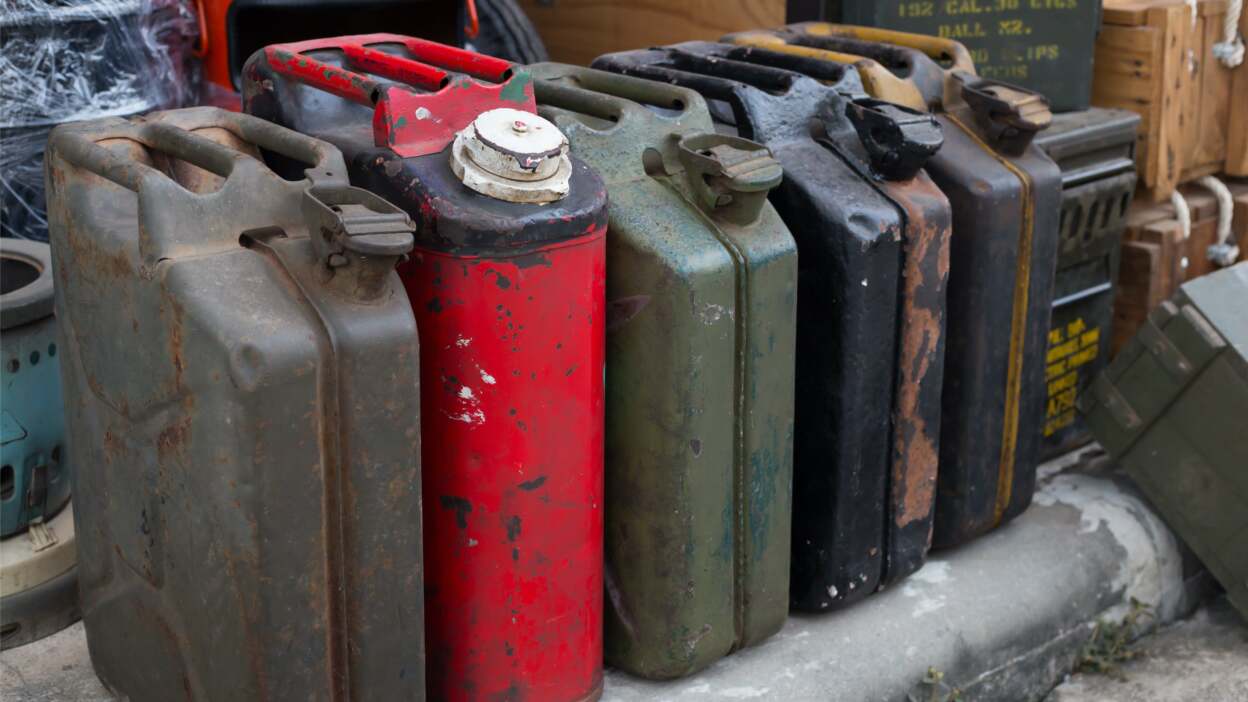
- Always use approved fuel containers.
- Keep diesel away from flames or sparks.
- Do not store diesel near food or living areas.
To avoid downtime, arrange fast emergency heating oil delivery with Elan Fuels so your system stays online.
Can I Put Diesel In My Oil Tank?
If your thermostat goes cold, adding diesel to the oil tank is a fast fix. The process is simple, but precision matters. Pour slowly, add enough volume to restart, and monitor the filter afterward. With careful handling, you can restore heat and buy time for a scheduled delivery.
Yes, you can safely pour diesel into your oil tank if your supply runs out. The process is simple, but care matters.
Step-by-step:
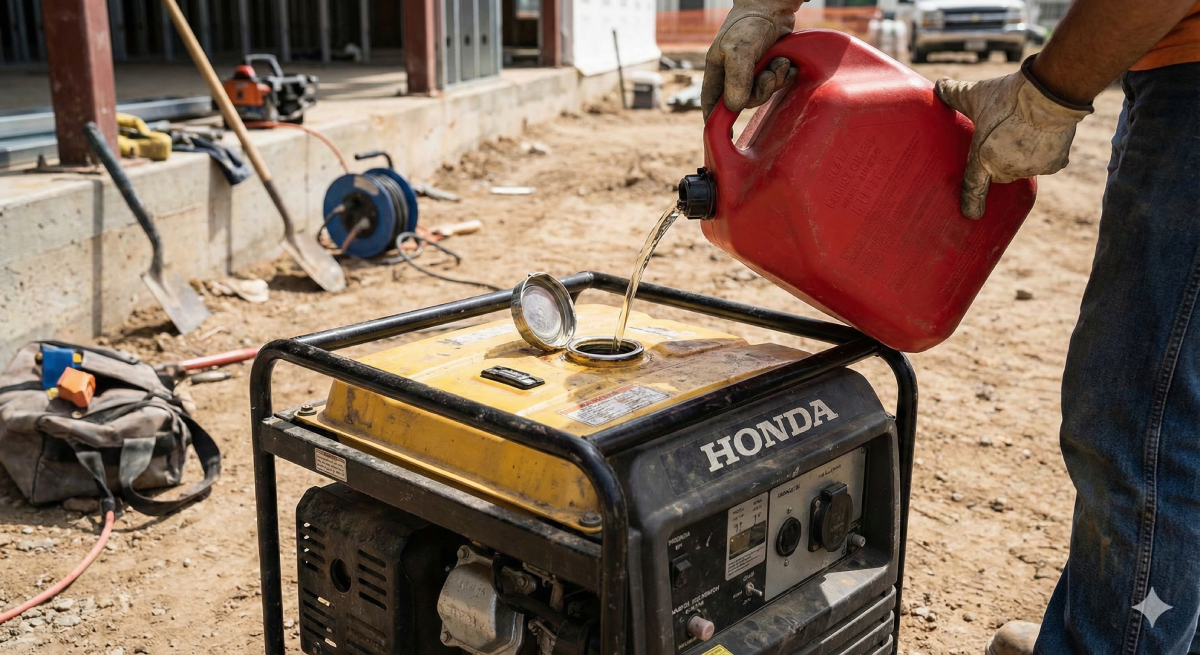
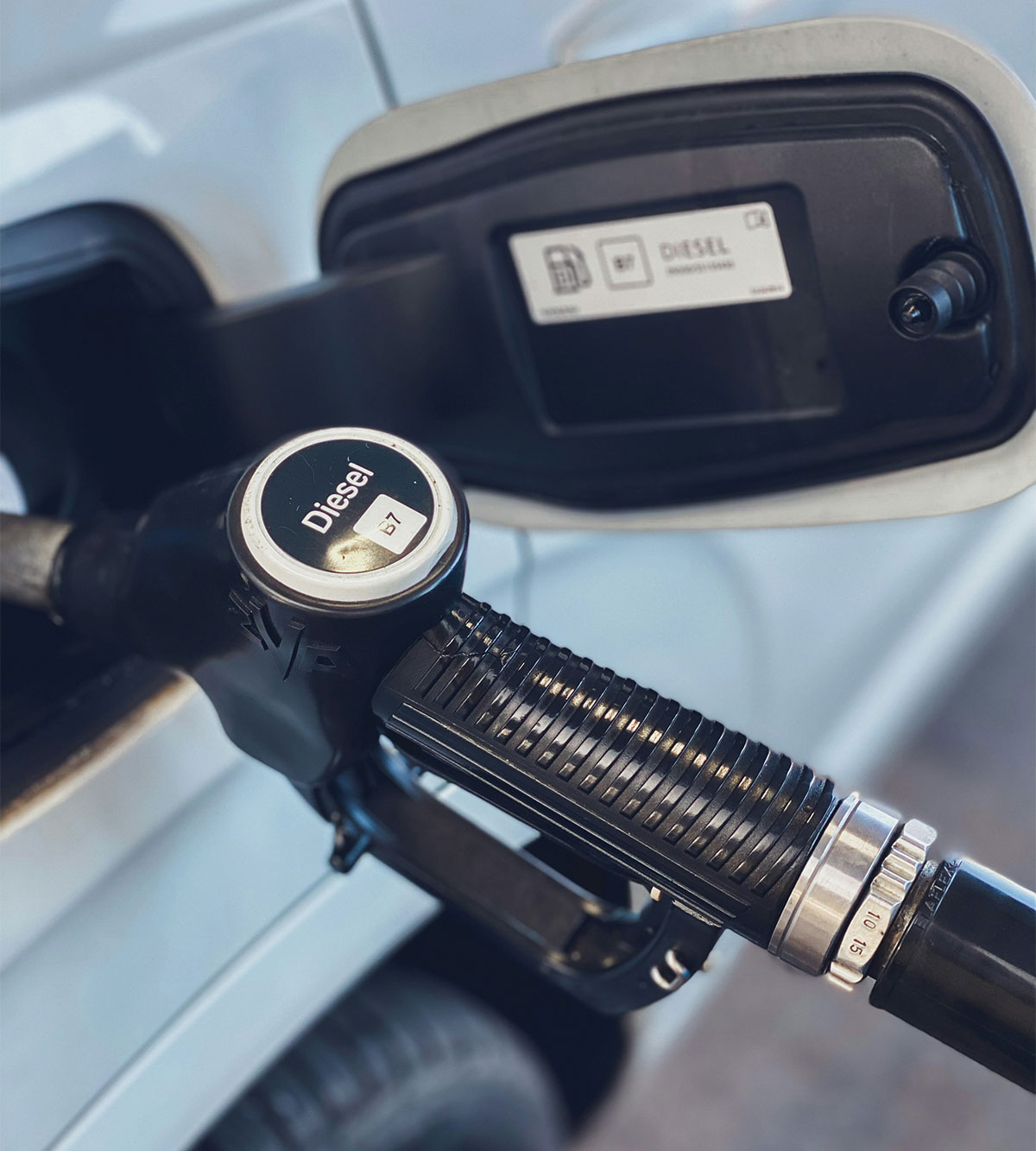
- Buy diesel from a fuel station in certified containers.
- Unlock and open the fill pipe of your oil tank.
- Pour diesel slowly to prevent splashing.
- Add at least 5-10 gallons so the furnace has enough fuel to restart.
- Prime and restart the furnace following the manufacturer’s guide.
Concerns:
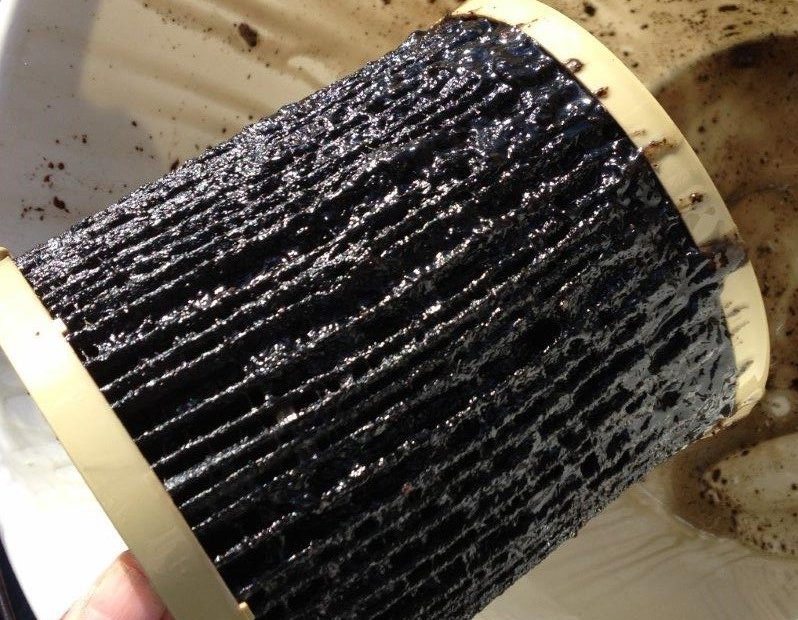
- Sludge at the bottom of an empty tank may clog filters.
- Check filters after using diesel.
- Avoid spilling fuel on soil or concrete, as cleanup is difficult.
Tank Empty? Use Diesel Safely Until Delivery
Diesel can substitute for heating oil in a pinch. Follow simple steps, use certified containers, add 5-10 gallons through the fill pipe, prime the burner, and monitor the filter. Treat it as short-term and arrange priority delivery with Elan Fuels.
Can I Use Diesel In My Oil Furnace?
Most oil furnaces can burn diesel without changes, because both fuels are #2 distillates with similar ignition and heat release. Short runs are usually trouble-free. If you need diesel longer, plan a quick inspection so the burner stays clean and efficient through the rest of the season.
Most furnaces designed for heating oil will also burn diesel. Both fuels are classified as #2 distillates and they ignite in the same way.
Compatibility: Diesel burns with nearly the same flame and heat. For short periods, no changes to equipment are needed.
Adjustments: If you rely on diesel longer than a week or two, it is wise to have a technician inspect the nozzle, burner, and combustion chamber. Diesel may leave slightly more soot, which lowers efficiency over time.
Example: If a furnace consumes 3 gallons per day, running diesel for two weeks could add soot buildup that would normally take a month with heating oil.
Heating Oil Vs. Diesel
These fuels share chemistry and performance, which is why they are often interchangeable in emergencies. The real contrasts show up in additives, access, and how each product is sold. Knowing these points helps you decide what to buy today and what to budget for later.
Chemical properties:
- Heating oil and diesel both contain about 138,000 BTUs per gallon.
- Both have similar ignition quality.
Performance differences:
- Heating oil is blended for steady burners.
- Diesel is blended for engines with detergents and lubricity additives.
Uses:
- Heating oil: Furnaces, boilers, hot water systems.
- Diesel: Trucks, buses, generators, off-road equipment.
Diesel or Kerosene for Winter Backup?
Both fuels work, but they shine in different conditions. Diesel offers strong heat and easy access, while kerosene burns cleaner and resists gelling for outdoor tanks in very cold weather. Choose the best match for your tank location and climate.
What Is The Difference Between Heating Oil And Diesel?
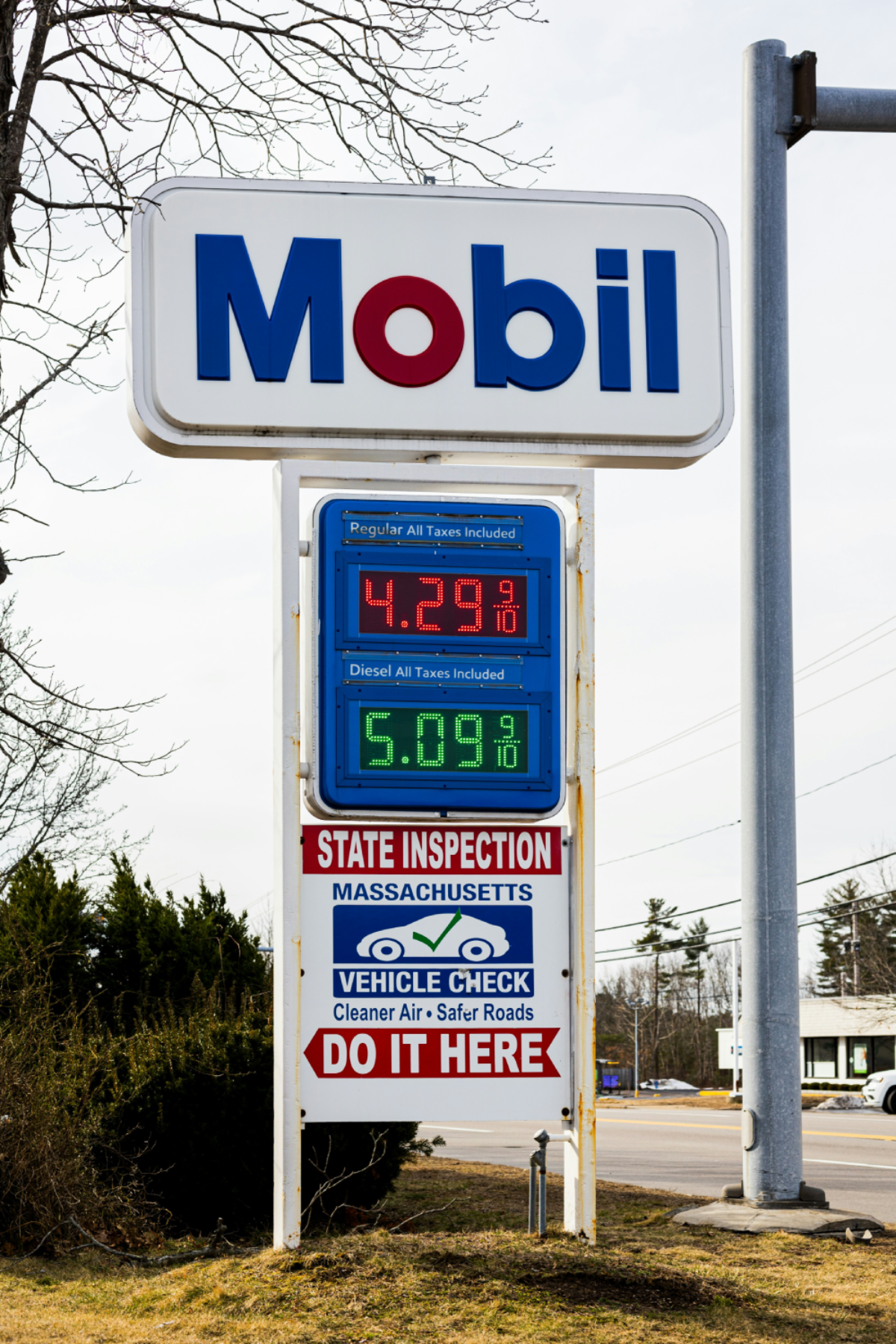
Price, color, and rules drive most differences, not how the fuel burns. Heating oil is usually dyed and untaxed for road use, which keeps cost down in bulk deliveries. Diesel at the pump is clear and taxed, so it is more expensive but easy to buy in small amounts.
The differences are mainly legal and commercial.
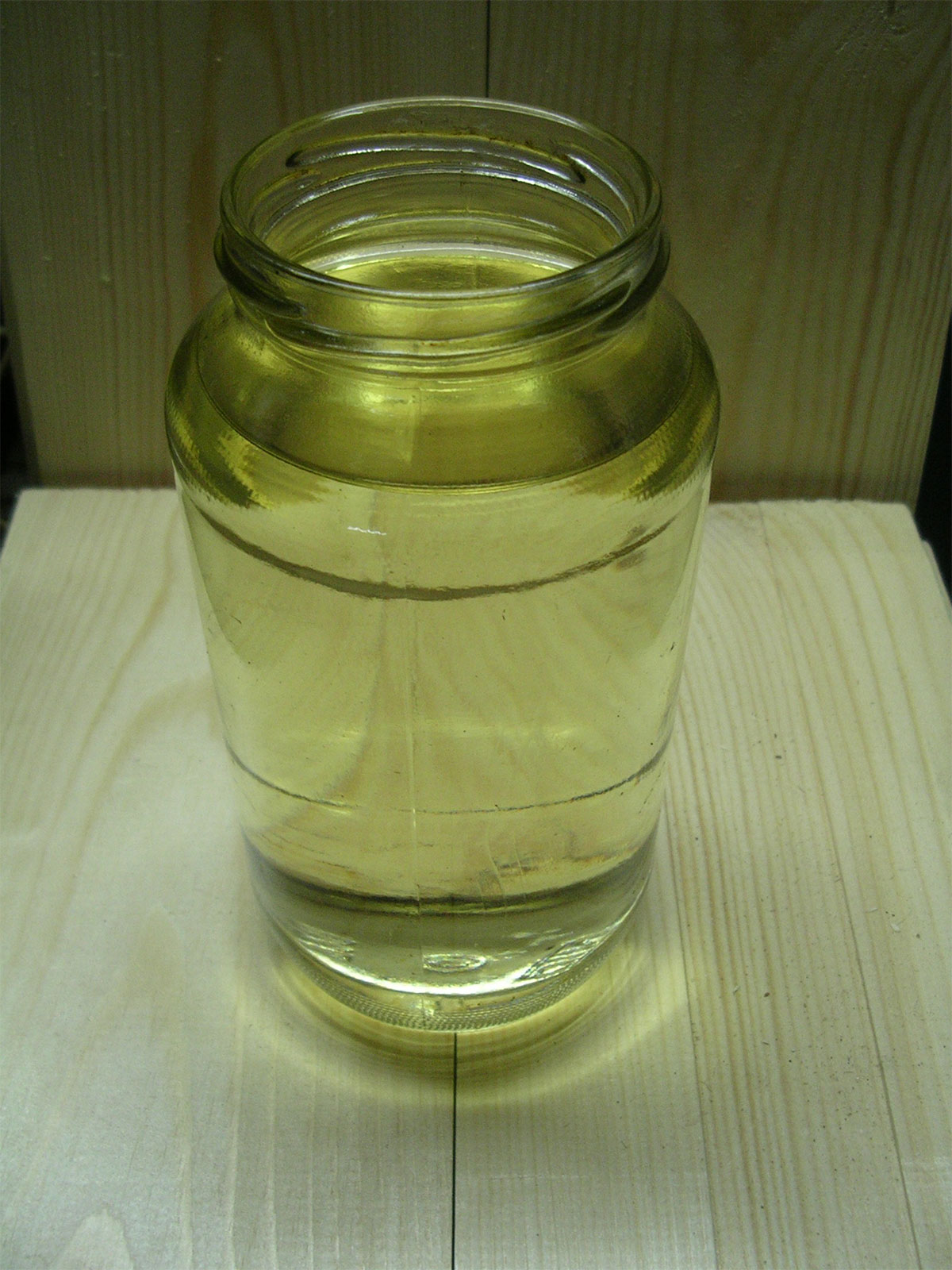
- Color: Heating oil is often dyed red for identification. Diesel at gas stations is clear or light yellow.
- Tax: Heating oil is untaxed for road use, so it is cheaper. Diesel is taxed as motor fuel.
- Access: Heating oil is delivered in bulk to homes. Diesel is available in small quantities at fuel stations.
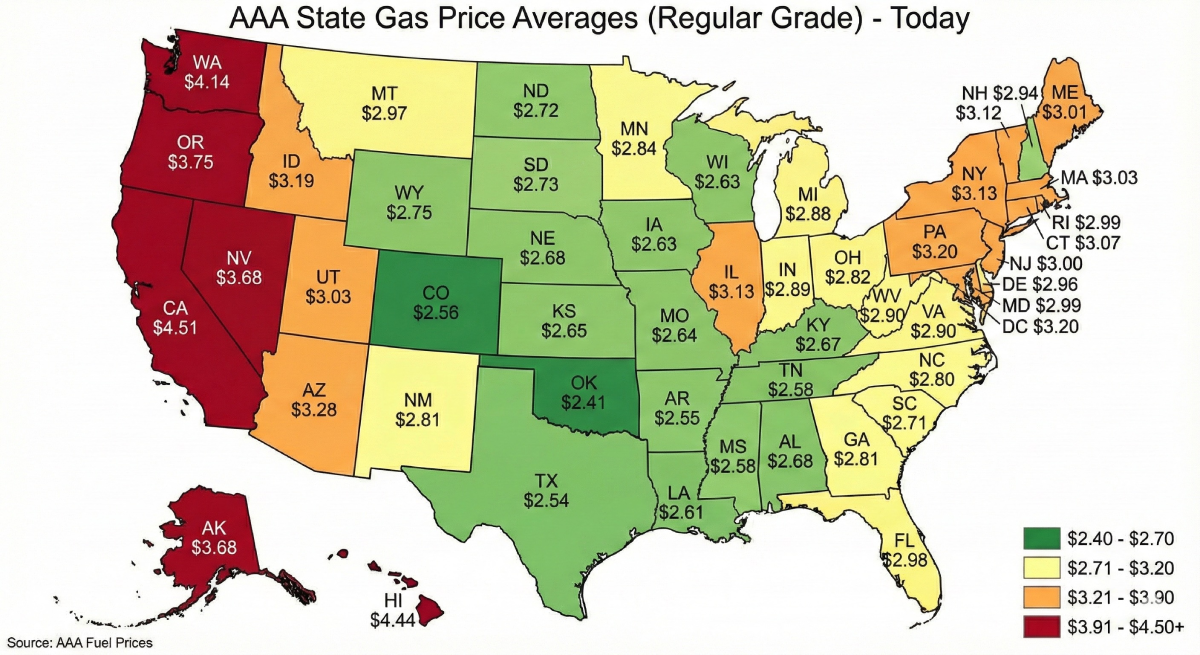
If you run out of heating oil, diesel is easier to buy quickly, but it costs more per gallon.

Diesel Vs Fuel Oil
“Fuel oil” is a family name for several petroleum products. Diesel and heating oil sit at the lighter end used by homes and small equipment. Heavier grades serve ships and industry. Understanding where each fits avoids confusion when suppliers or manuals use different terms.
Definitions:
- Diesel fuel: Refined to power engines, subject to road regulations.
- Heating oil (#2 fuel oil): Nearly identical to diesel but intended for furnaces.
- Heavy fuel oils (#4-#6): Thick fuels used in ships and industry, requiring special burners.
Diesel and heating oil both provide high energy density, making them efficient for heating homes. Heavy oils can be cheaper in bulk but are not suitable for home furnaces.
Confused About Red Diesel and Heating Oil Rules?
Heating oil is often the same as red diesel for home heat, which is legal in furnaces but not in road vehicles. Learn how dye, taxes, and penalties work so you buy the right fuel and avoid fines.
How Long Will 10 Gallons Of Diesel Last In Oil Tank
Burn time depends on furnace rate and outdoor temperatures. Small systems sip fuel, large ones drink it faster. The answer depends on furnace size and weather. Duty cycles vary.
Average consumption:
- Small furnace: 0.8 gallons per hour.
- Large furnace: 1.7 gallons per hour.
Scenarios:
- During freezing weather, 10 gallons may last 1-2 days.
- In mild weather, 10 gallons may last more than 2 days.
Ways to stretch supply:
- Lower thermostat settings by a few degrees.
- Close off unused rooms.
- Add weatherstripping to drafty doors.
- Use blankets and space heaters cautiously.
Should You Use Diesel Or Kerosene In An Oil Furnace?
Both diesel and kerosene are viable emergency fuels, but their characteristics differ.
Diesel advantages:
- Easy to buy at most stations.
- Delivers more heat per gallon.
- Typically cheaper than kerosene.
Kerosene advantages:
- Burns cleaner with less soot.
- Flows well in subzero temperatures, reducing gelling risk.
- Preferred for outdoor tanks in cold climates.
Decision guide:
- Choose diesel for quick access and short-term use.
- Choose kerosene if your tank is outside and winter temperatures are very low.
What Can I Use If I Ran Out Of Heating Oil?
When heating oil runs out, choices are limited and must be made carefully. Stick to fuels your furnace can handle safely.
Safe substitutes:
- Diesel fuel.
- Kerosene.
Unsafe substitutes:
- Gasoline, which is highly flammable and unsafe in furnaces.
- Used motor oil, which produces dangerous fumes and damages equipment.
- Propane, unless your system is specifically built for it.
Do not experiment with fuels that are not approved for heating oil systems. Short-term savings can cause costly repairs or serious safety risks.
Is Heating Oil Considered Diesel Fuel?
Yes, heating oil is technically a type of diesel. Both are made during the same refining step and belong to the #2 distillate category.
Clarification:
- Heating oil is often labeled as #2 fuel oil.
- Road diesel is labeled as #2 diesel.
- Their chemical composition is almost identical, but laws and markets treat them differently.
This is why diesel can safely power a furnace in emergencies.
Is Heating Oil The Same As Red Diesel?
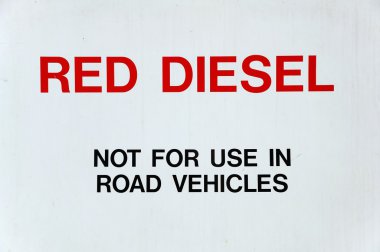
Red diesel is diesel with a dye that marks it as untaxed for road use. Heating oil is often the same dyed product sold for home heating. The key is where and how it is used. The dye helps authorities enforce tax rules without changing how the fuel burns.
Red diesel is simply diesel with red dye added. Heating oil is often dyed the same way.
Why dye is used:
- To mark the fuel as untaxed.
- To prevent its use in road vehicles.
Heating oil use: In many regions, heating oil is legally red diesel sold under a different name. In others, rules vary, but the fuel itself is the same.
Why Is It Illegal To Use Red Diesel?
Red diesel is untaxed fuel. Governments add dye so inspectors can detect it in vehicles. Using untaxed fuel in vehicles bypasses road taxes, so governments enforce strict rules. The dye makes detection simple. For homeowners, purchasing dyed heating oil from a licensed supplier for heating is standard, but that same fuel cannot go into a road vehicle legally.
Rules:
- Legal for heating, farm machinery, and off-road equipment.
- Illegal for road vehicles.
Penalties:
- Fines that can be several thousand dollars.
- Possible seizure of vehicles or equipment in serious cases.
Note that for home heating, using red diesel as heating oil is usually legal if purchased through a licensed supplier.
Heating Oil Vs Diesel: Pros, Cons, Costs And Applications?
Here is a side-by-side view to help with quick decisions. The table shows cost and access, while the lists call out strengths and trade-offs. Use it to choose the right fuel today and to plan budget, maintenance, and delivery cadence for the rest of the season.
Table: Quick Comparison of Heating Oil vs Diesel
| Factor | Heating Oil | Diesel | What It Means |
|---|---|---|---|
| Cost | Lower per gallon | Higher due to taxes | Heating oil is cheaper long-term |
| Availability | Bulk delivery | Gas stations | Diesel easier for emergencies |
| Efficiency | High BTUs | High BTUs | Both heat well |
| Best Use | Long-term heating | Short-term backup | Choose by need |
Pros of Heating Oil:
- Lower price per gallon.
- Designed for steady furnace operation.
- Delivery services ensure supply.
Cons of Heating Oil:
- Cannot buy in small amounts easily.
- Delivery delays risk outages.
Pros of Diesel:
- Always available at gas stations.
- Works in most furnaces right away.
Cons of Diesel:
- Higher cost per gallon.
- More soot in extended use.
How To Use Diesel Fuel To Heat Your Home
When heat stops, clear steps help. Buy diesel in safe cans, add enough volume to restart, and watch for leaks or odors. Label containers and keep them away from flames. A simple routine now prevents emergency stress and keeps your furnace ready for normal oil deliveries.
Steps:
- Buy diesel in safe containers.
- Pour into your oil tank fill pipe.
- Add at least 5 gallons to restart the system.
- Prime the furnace if needed.
- Monitor the flame for steady operation.
Safety measures:
- Keep diesel away from open flames.
- Store containers in cool, dry areas.
- Label containers clearly to prevent mistakes.
For dependable backup and emergency supply, enroll with Elan Fuels to secure priority service when your tank runs low.
Long-Term Issues Of Heating Your Home With Diesel Fuel
Diesel gets you through a gap, but months of use can raise costs and add soot. Filters clog faster, nozzles foul sooner, and service visits increase. Returning to heating oil after a short diesel period keeps efficiency high and helps your equipment last longer.
Using diesel for months instead of heating oil can cause several problems:
- More soot buildup in the combustion chamber.
- Clogged filters and nozzles from engine additives.
- Higher overall fuel cost due to taxes.
- Shortened equipment lifespan.
The Difference Between Clear Diesel Off-Road Diesel And Heating Oil
Color tells you about taxes, not heat quality. Clear diesel is for vehicles. Dyed off-road diesel and heating oil serve equipment and homes.
- Clear diesel: Sold at pumps, taxed, legal for vehicles.
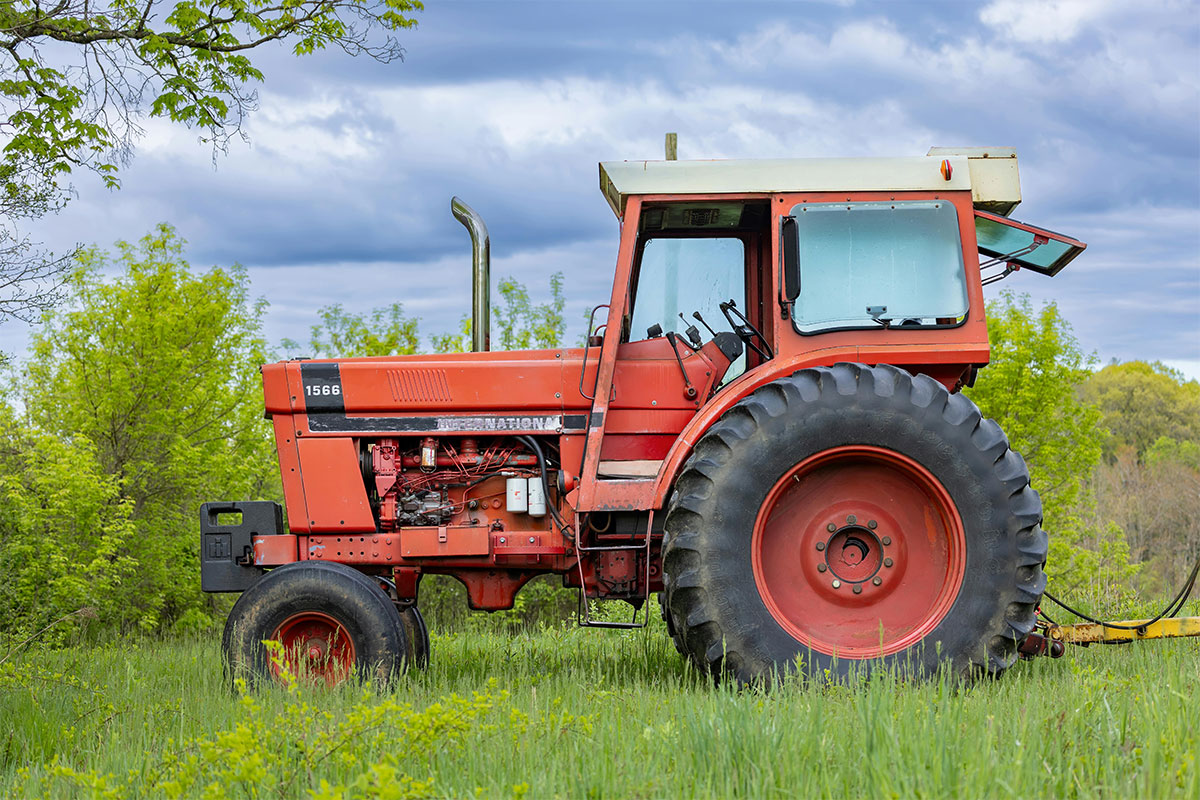
- Off-road diesel: Dyed red, untaxed, used for tractors, equipment, and some heating.
- Heating oil: Often the same as off-road diesel but sold specifically for furnaces.
- Visible difference: Clear diesel is light yellow. Dyed fuels are red.
- Storage: All must be stored in sealed tanks, away from moisture and ignition sources.
How To Safely Add Diesel To Your Furnace
Small steps make a big difference in safety. Protective gear, good ventilation, and a funnel prevent most problems. Keep a fire extinguisher nearby, and clean spills right away. These habits protect people, equipment, and floors while you restore heat without delays or damage.
Checklist:
- Wear gloves and safety glasses.
- Use a funnel to avoid spills.
- Keep a fire extinguisher nearby.
- Ventilate the area when handling fuel.
- Wipe spills and dispose of rags properly.
Following these steps reduces fire risk and keeps equipment safe.