Need Emergency Fuel Delivery?
  info@elanfuels.com
Key Takeaways
- Premium diesel is ULSD enhanced with detergents, lubricity improvers, and cetane boosters.
- It delivers cleaner combustion, easier starts, steadier torque, and smoother engine operation.
- Additives protect pumps and injectors, reducing wear, deposits, and maintenance downtime.
- Premium blends resist gelling, manage water, and stay stable longer in storage.
- Despite higher pump prices, lifetime savings and reliability often make it worth it.
Table of Contents
What Is Premium Diesel Fuel
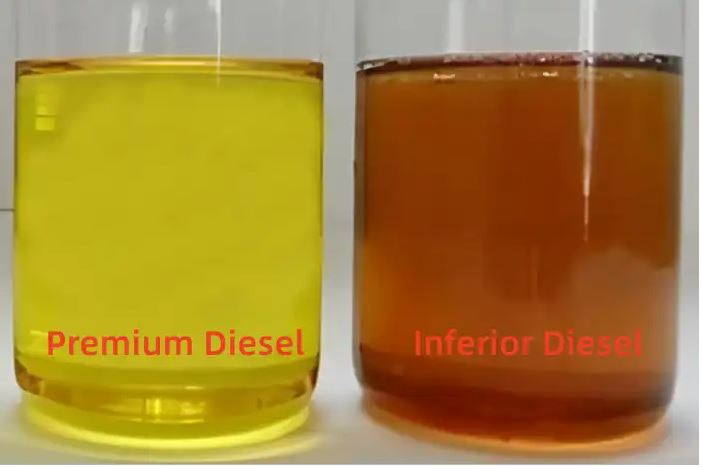
Premium diesel is a high quality formulation of diesel. It is still ultra low sulphur diesel(USLD) as required by law, but it is enhanced with additives such as cetane boosters, lubricity improvers, detergents and stability agents. The additives package elevates premium diesel beyond baseline ASTM No 2-D S15 requirements. That’s the practical premium diesel fuel by definition.
Chemically and functionally, premium blends have cleaner combustion, deposit control, and wear reduction versus regular ULSD that merely meets minimum specs. This is the real difference between regular and premium diesel fuel and why retailers market premium diesel vs regular diesel as smoother starting, quieter running, and better injector hygiene, benefits that stem from higher detergency and additive quality, not from a different base fuel.
A common question is “is premium diesel just diesel?” The short answer is “yes”. However, for diesel to be considered premium, it must comply with core fuel standards such ASTM D975 in the U.S. and EN 590 in Europe. It also has to have a maximum of 15 parts per million (PPM) of sulfur to meet ULSD sulfur limits . “Premium” means it meets or exceeds specific performance criteria beyond the floor like detergency, lubricity, stability, and particulate/water control.
At fuel stations and in original equipment manufacturing materials, you’ll see premium used for hard-use fleets and modern high-pressure systems, due to premium diesel benefits like cleaner injectors and improved combustion quality.
Is There Really A Difference Or Benefit From Premium Diesel?
Drivers asking what is premium diesel usually want a straight answer for diesel vs premium diesel. In short, additive strength causes the difference between regular and premium diesel fuel and creates the benefits that make diesel premium.
| Aspect | Regular Diesel | Premium Diesel |
|---|---|---|
| Chemical | Baseline cetane | High cetane, robust detergents and lubricity/stability enhancers. |
| Mechanical | Offers good protection | Offers smoother ignition, better injector protection and leads to reduced wear of pump and injectors |
| Environmental | Diesel meets combustions limits | Premium diesel offers cleaner combustion, less soot and steadier after treatment performance |
Premium diesel reduces ignition delay, enhances atomization, stabilizes combustion, feels quieter and delivers steadier torque. The detergents in premium diesel help boost fuel economy and power hold over time. It also produces less soot leading to lower DPF regens
Want Cleaner Injectors And Smoother Starts?
Premium diesel’s higher detergency, lubricity improvers, and cetane boosters help keep injectors clean, protect pumps, shorten ignition delay, and reduce soot for steadier torque and fewer DPF regens.
What Are The Benefits Of Premium Diesel Fuel?
Premium diesel has additives such as detergents, stability agents and lubricity improvers. These additives lead to better combustion, less emission and more protection on the pump and injectors. Premium diesel also has a higher cetane rating which leads to shorter ignition, smoother combustion and quicker response. When using premium diesel over regular diesel you will witness easier cold starts, quieter operations, steadier torque and will generally result in fewer hiccups.
Premium diesel also delivers lower emissions than regular diesel, reducing carbon dioxide emission per mile and also nitrogen oxide emission, making it better for the environment.
What Makes Premium Diesel Fuel Higher Quality?
- Cetane boosters raise the fuel’s cetane number, shortening ignition delay for faster, smoother combustion and easier cold starts.
- Lubricity additives restore the natural lubricity lost in ULSD, protecting high-pressure pumps and injectors by reducing High Frequency Reciprocating Rig test wear scar toward/under specification limits.
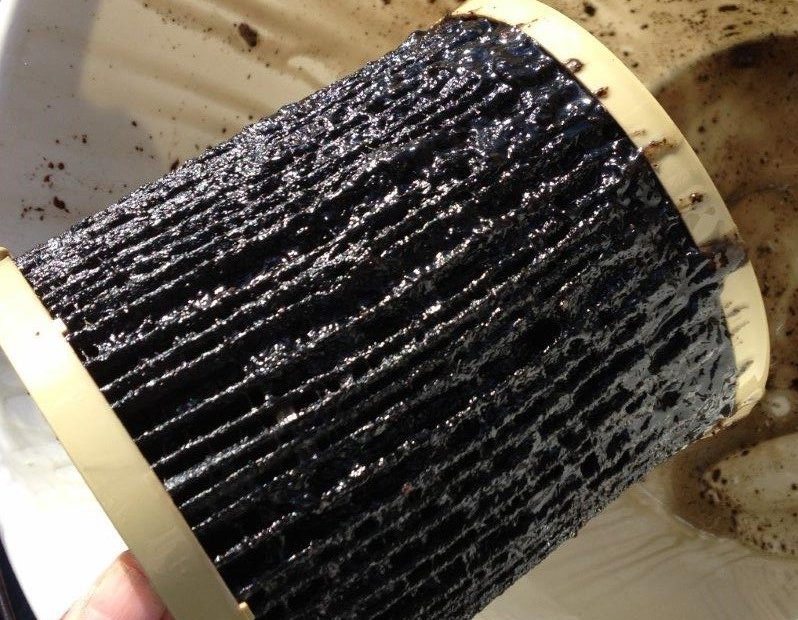
- Modern detergents prevent and clean injector deposits so spray patterns stay precise, sustaining power and economy over time
- Corrosion inhibitors shield tanks and lines against moisture and acids that promote rust. .
Worried About Cold-Weather No-Starts?
Winterized premium diesel uses cold-flow improvers (and often #1/#2 blends) to lower gel points, making cold starts easier for trucks, RVs, and standby equipment during freezes.
Is Premium Diesel Better Than Diesel #1 Or Diesel #2?
Diesel # 1 is lighter in energy, has a very low gelling point making it very suitable for cold weather while Diesel #2 delivers more power but isn’t very appropriate for cold weather as it gels faster. Premium diesel on the other hand is diesel that has been enhanced to produce more power, better combustion and less emission. The three are not the same and serve different purposes.
During winter when temperatures are low, in order to maintain the power and reduce risk of engine damage due to gelling fuel, Diesel #2 and Diesel #1 are blended.
As for premium diesel, it stays performant throughout the year, irrespective of weather conditions.
Is Premium Diesel Worth It?
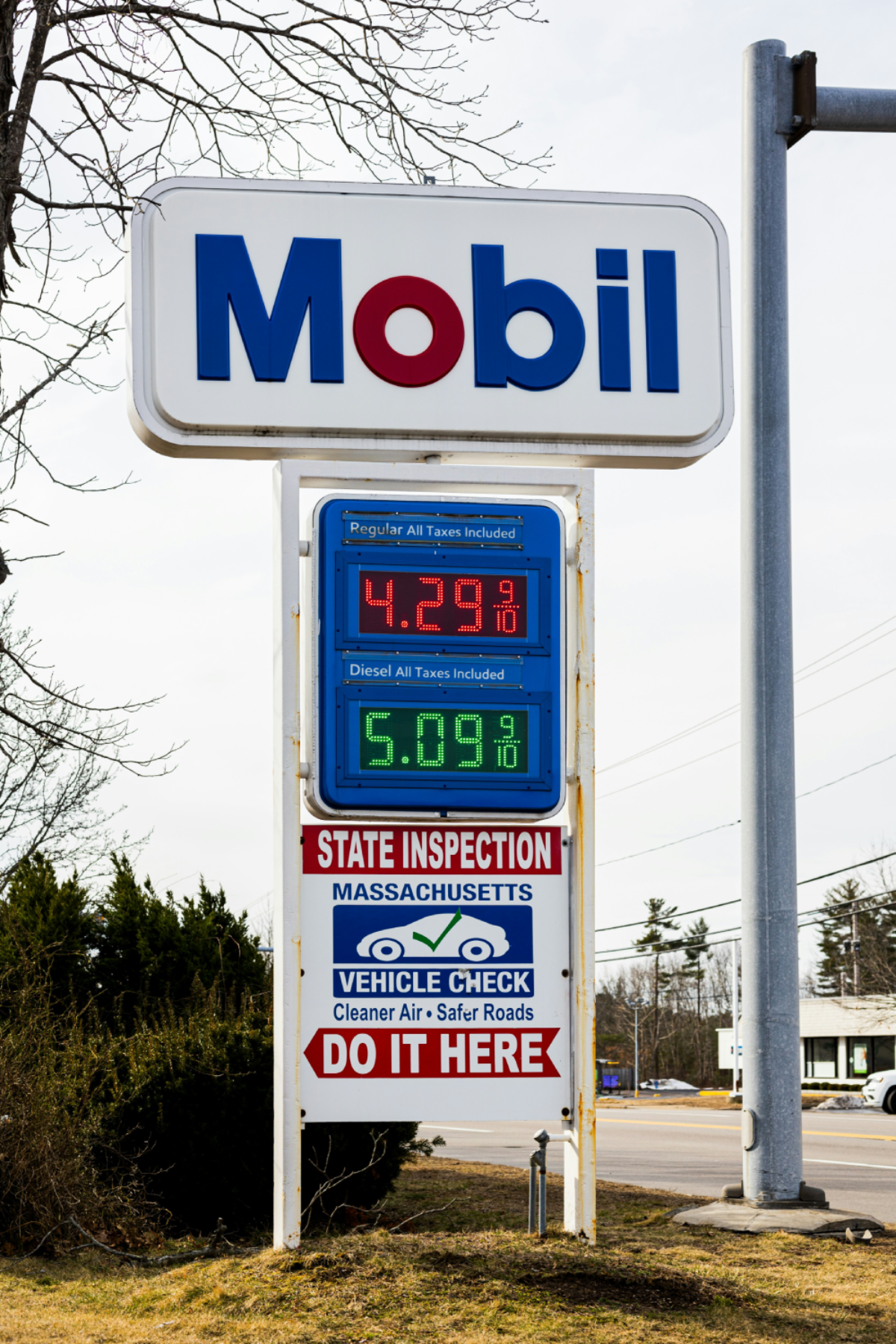
At the pump, the decision on whether premium diesel is worth it comes down to long-term math rather than the immediate price. When comparing regular diesel vs premium diesel, the rich additives of premium diesel can save you a lot of money by keeping injectors clean, reducing pump wear, reducing DPF regens, and stabilizing combustion. These premium diesel benefits improve mileage and offset per-liter price. So while the immediate price tag shows that premium diesel is more expensive, in the long run, it could lead to more savings on maintenance than regular diesel.
In applications such as towing and in HPCR engines, premium diesel has more advantages due to its higher power and torque. In winter, regular diesel blends are used to prevent cold starts. However, the additives in premium diesel also serve the purpose of preventing cold starts.
In some older vehicles, diesel blends may have a harder time but with premium diesel, the additives not only make the fuel suitable for use but are also good for overall engine health. In order to boost your engine’s life and its efficiency, you should choose a reliable and robust fuel option for your vehicle, one that is backed by science.
Why Not Just Use An Additive Instead Of Premium Diesel?
At the pump, premium diesel has its additives precisely blended by the supplier, using calibrated dosing, quality control, and filtration standards that aftermarket bottles can’t consistently match. The treatments in/tank often rely on fill level estimates, capful measurements, and uneven mixing so the results vary. Supplier blends ensure every liter carries the intended cetane improver, detergents, and lubricity agents for reliable ignition quality, cleaner injectors, and lower wear. They also avoid incompatibilities between additive chemistries. If you’re comparing diesel and premium diesel, you need consistency, which you can get from pre-mixed fuels. That’s the practical edge in premium diesel vs regular diesel.
Why Should You Switch If You’ve Used Diesel #2 For Years?
Modern diesel engines run ultra-high injection pressures and tight tolerances; they’re designed around ULSD and thrive on cleaner combustion. Premium diesel adds higher detergency, lubricity and often higher cetane for shorter ignition delay, this helps to keep injectors precise, pumps protected, and after-treatment.
Does Premium Diesel Last Longer?
Shelf life and tanks: Untreated diesel commonly degrades in 6–12 months from oxidation,water and microbes. For premium diesel, its additive packages (stabilizers, corrosion control, water management) extend useful life. This is valuable for fleets, backup generators, and farm tanks.
Stability and climate: In hot and humid zones, stability and biocide components combat darkening and sludge formation. In cold regions, winterized premium blends maintain low-temperature operability. In both cases, quality control and additive dosing are the differentiators, not the base ULSD grade.
Can Any Diesel Car Use Premium Diesel?
Yes. Premium remains ULSD meeting ASTM D975 or EN 590, it’s simply the same base fuel with a stronger additive package, so it’s broadly compatible. Very old, pre-ULSD systems may need attention to seals, but modern premium diesel fuels explicitly address lubricity to protect pumps and injectors. Always follow the owner’s manual for on-road diesel.
Storing Diesel For Months?
Premium diesel’s stabilizers, corrosion inhibitors, and water-management additives extend useful life in tanks, ideal for fleets, generators, and farm storage where reliability matters.
Can I Mix Premium Diesel With Normal Diesel?
Mixing is safe. You will get an average of the two fuels’ cetane and additive levels and the more premium diesel you have in the blend, the more benefits you will have. Terminals routinely inject premium packages at precise doses; if you refill with normal diesel mid-tank, the switch simply dilutes the additives.
Does Premium Diesel Clean Injectors?
Yes! Detergent packages in premium diesel are formulated to prevent and remove nozzle deposits, keeping spray patterns tight and restoring response over time. Independent frameworks TOP TIER™ Diesel include explicit deposit control performance. Aftermarket “Techron Diesel” is an example of the chemical used to clean injectors.
Does Premium Diesel Clean The EGR Valve?
Not directly. Additives act in the fuel system/combustion, not the exhaust stream. The benefit is indirect, higher cetane and cleaner combustion reduce soot loading, which slows Exhaust Gas Recirculation/Diesel Particulate Filter fouling and can prolongs service intervals
How Lubricity Agents Reduce Friction In Fuel System Components
ULSD’s desulfurization process removes natural lubricity, in premium fuels diesel, it is restored with lubricity improvers that lower High Frequency Reciprocating Rig wear scar, reducing metal on metal contact in high-pressure pumps and injectors extending component life under modern rail pressures.
How Premium Fuels Remove Water In Diesel Tanks
Premium diesel packages typically use demulsifiers that make tiny droplets coalesce so separators and filters can remove water, limiting corrosion and microbial growth. Some strategies encapsulate trace water for safe passage. Water control plus corrosion inhibitors improves long-term tank health.
Does Premium Diesel Prevent Gelling In Cold Weather?
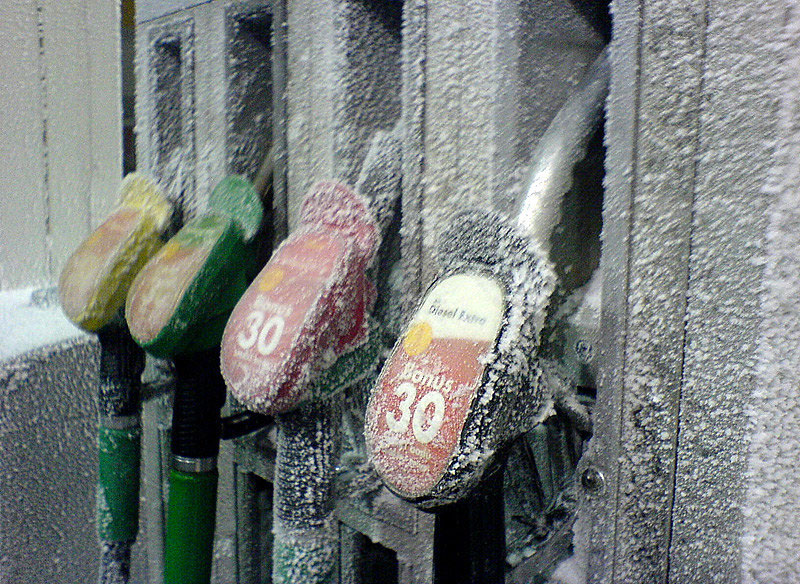
Yes! In winter, premium diesel includes cold-flow improvers (and often #1/#2 diesel blends) that lower gel points, keeping fuel fluid through typical regional minimum temperatures. For RVs, rural trucks and standby equipment generators, this is the difference between cranking and no-start during cold snaps.
Who Has The Best Premium Diesel?
Major brands deliver comparable, above-spec fuels; differences are chiefly in detergency, cetane and quality control
- BP Ultimate Diesel: Often marketed to remove existing dirt and prevent re-depositing.
- Chevron (with Techron/Techron D): Strong injector clean-up legacy(consumer and fleet), and is widely available in the US.
- Cenex Roadmaster XL: Terminal-injected premium package targeted at fleets
Rather than chasing a logo, choose TOP TIER™ Diesel approved retailers and high-turnover stations that consistently deliver cleaner, drier fuel.
- Compare brands like Shell V-Power, Chevron Diesel, and BP Ultimate.
- Consider detergent levels, user reviews, and lab test results.
Is Supermarket Diesel As Good As Branded Diesel?
Base fuel is typically the same regional ULSD but the additive package and quality control differ. Branded premium diesel often delivers higher detergency, cetane plus water handling and filtration requirements, which can be very valuable in terms of cleanliness and winter operability over time.
What Is 231 Premium Diesel?
There’s no widely recognized “231” diesel grade in ASTM D975/EN 590 standards in the US and Europe. You’re likely seeing a local product code or a reference confounded with winter blends. What matters at the pump is the grade (#1, #2), tax status (undyed/dyed), and any “Premium” designation. Some states even define premium thresholds, e.g., minimum cetane 47). If you are in doubt, read the dispenser label or ask the retailer.