Need Emergency Fuel Delivery?
  info@elanfuels.com
Key Takeaways
- Whether the smell of gasoline kills you depends on concentration, ventilation, and time.
- A strong smell indoors can signal dangerous vapor build-up, even if you feel fine at first.
- Symptoms can start with headache and nausea and can worsen with continued exposure.
- Sleeping in a room with a persistent fuel smell can raise the risk because you may not notice symptoms early.
- Gasoline is toxic by inhalation, swallowing, and skin contact. Avoid guessing and get help when needed.
Table of Contents
Can The Smell Of Gasoline Kill You?
A fuel smell signals two situations. A faint odor from residue on a container or clothing is unpleasant but may not indicate unsafe air. An active source, like a spill, a leaking container, or vapor entering a room from a garage, is a warning sign, and the risk can increase rapidly.
Danger depends on three factors. Vapour concentration increases with spills, open storage, or leaks. Ventilation determines if vapour disperses or collects. Duration is the length of time you breathe the affected air. When people ask whether gas can kill you, they generally refer to sudden collapse from the smell. The most severe outcomes result from high exposure in enclosed areas. Vapour displaces oxygen and affects the central nervous system, causing confusion, loss of coordination, fainting, and potentially a life-threatening emergency. People also ask can smelling gas kill you, and the answer is that it is rare in open air, but possible in enclosed spaces with heavy vapor buildup.
Can Prolonged Exposure To Gasoline Fumes Be Fatal?
Prolonged vapour exposure increases risk because the body has less recovery time, and the source continuously feeds the air. Unlike a brief outdoor encounter that dissipates quickly, indoor exposure can accumulate. Poorly ventilated, enclosed areas amplify danger because vapour lingers and spreads, increasing inhalation time without awareness. Effects include slowed thinking, poor balance, unusual sleepiness, cough, throat burning, and shortness of breath. Never ignore a persistent odour after a spill, especially in closed areas like a garage or basement, or if symptoms develop.
Are Gasoline Fumes Harmful?
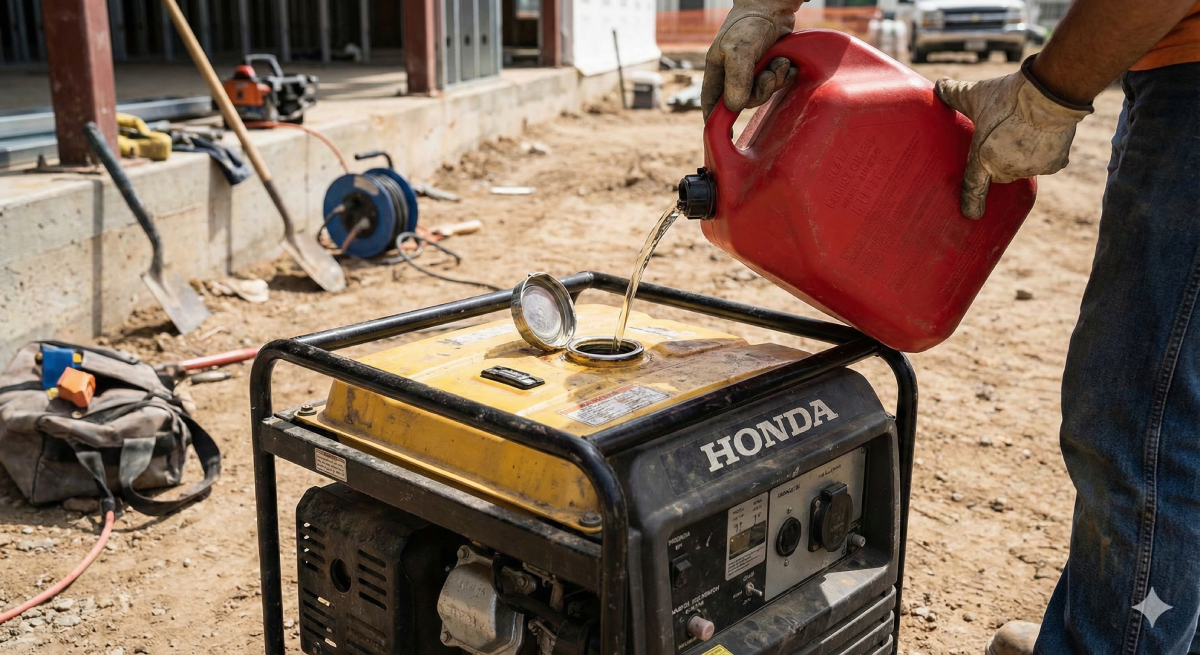
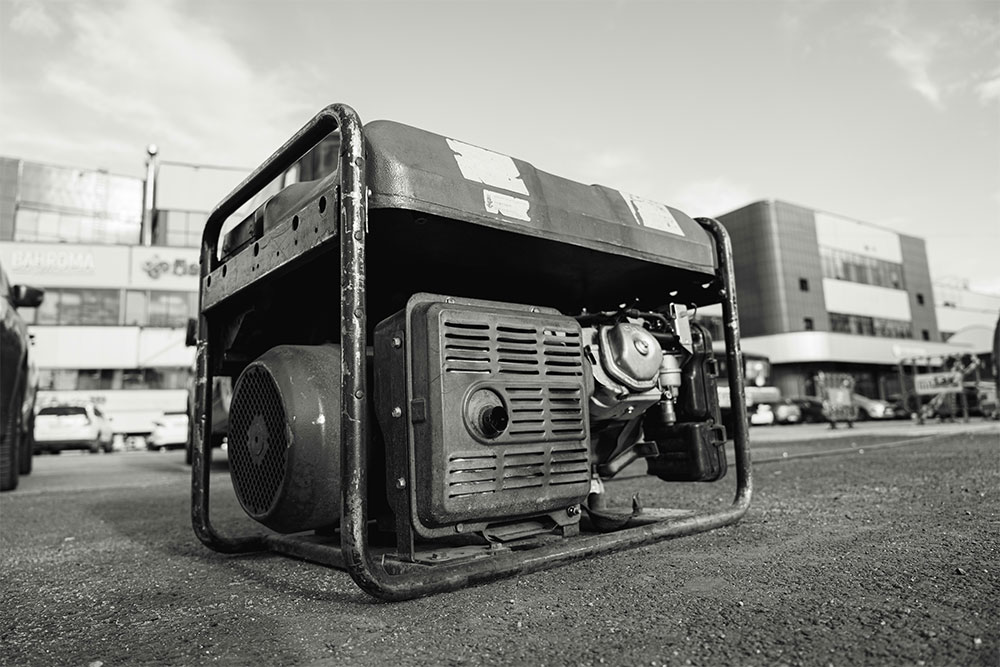
Gasoline is a mixture of volatile chemicals that evaporate easily, creating a vapour that people smell. Gasoline fumes are harmful because inhaling them can irritate the eyes and airways. Exposure can also affect the brain, especially at higher levels. Common exposure occurs when filling a generator indoors, storing fuel cans in a warm room, or having vapour enter a home from an attached garage. Outdoor exposure is usually less dangerous as air disperses the vapour. Here is a simple table to help you compare situations.
| Scenario | Likely risk level | What to do first |
|---|---|---|
| Brief smell outdoors near a pump | Lower | Step away, get fresh air |
| Strong odour in a closed garage | Higher | Ventilate, leave the area |
| Spill on the floor in a small room | Higher | Ventilate, avoid ignition, get help |
| Smell on clothes after fueling | Lower | Change clothes, wash skin |
Smell Gasoline Indoors and Not Sure What It Means?
A gasoline odor can be harmless residue, or it can mean vapour is building up from a spill, leak, or vapour entering from a garage. Use a quick checklist to judge concentration, ventilation, and exposure time so you take the safest next step.
How Much Gasoline Fumes Are Dangerous?
Risk is practical, not a fixed number. A strong smell in a closed room poses a greater risk than a faint smell in a ventilated area. Heat increases evaporation, so a warm room can quickly become unsafe. Warning signs include a persistent or intensifying smell, symptoms appearing soon after entry, or a smell concentrated near the floor or containers. If you suspect a continuing source, professional assessment is recommended since odour alone is not a reliable indicator.
Is Smelling Gasoline Bad for Your Health?
Many people ask if smelling gas is bad for you after brief exposure. Short-term effects commonly include eye, nose, and throat irritation, along with mild headaches or nausea. These symptoms usually improve with fresh air. Sensitive groups feel symptoms faster. This includes children, older adults, pregnant people, and those with asthma or other breathing conditions. People with migraines may also react strongly to odors.
Repeated low-level exposure increases the total dose over time. If the smell persists, the priority is to find and fix the source. People ask if it is bad to breathe in gasoline and if it is bad to inhale gasoline smell, and the safest answer is yes, avoid breathing it in. Do not stay in an area with a strong smell. Discomfort becomes a medical concern if symptoms are moderate, severe, do not improve, or if the person has trouble breathing, confusion, chest pain, or faints. People also ask is the smell of gasoline bad for you and is bad for you, and a persistent indoor smell should be treated as a potential exposure, not just an annoyance.
Symptoms of Gasoline Fume Exposure
Symptoms can start mildly and progress if exposure continues. Gasoline fume symptoms often depend on the size of the space, how long you stayed, and how strong the vapour source is. The symptoms include;
- Headache
- Nausea
- Dizziness or lightheadedness
- Throat irritation
- Watery eyes
- Moderate symptoms
- Strong nausea or vomiting
- Trouble concentrating
- Unsteady walking
- Shortness of breath
- Chest tightness
- Severe symptoms and emergency signs
- Confusion or extreme drowsiness
- Fainting
- Seizure
- Severe breathing trouble
Severe symptoms can occur in heavy exposure where gas fumes displace oxygen, and the nervous system is affected. Any severe sign should be treated as urgent. Symptoms can linger after leaving the area because irritated airways and the nervous system may take time to settle. Lingering headache or nausea does not always mean ongoing exposure, but it is a reason to rest in fresh air and seek medical advice if symptoms persist.
Where is the gasoline smell right now?
Do you have symptoms right now, like headache, nausea, dizziness, confusion, or breathing trouble?
Solution:
Leave for fresh air immediately and keep others out. Avoid flames and do not switch electrical devices on or off near the smell. Call local emergency services or a poison advice service for urgent guidance, and seek medical care if symptoms are moderate or severe.
Solution:
Treat it as a possible buildup risk. Ventilate the space if it is safe, avoid ignition sources, and find and remove the source, such as a spill, leaking container, or vapour from an attached garage. Do not sleep there if the smell persists, and get professional help if you cannot stop the odour.
Do you have symptoms right now, like headache, nausea, dizziness, confusion, or breathing trouble?
Solution:
Move away and get fresh air, ideally upwind. Stop the activity that is creating fumes, and wash any fuel off your skin. If symptoms do not improve quickly or feel moderate or severe, get urgent medical advice and consider calling a poison advice service.
Solution:
Step away from the fumes and stay in fresh air. If the smell is on your clothes or skin, change clothes and wash your skin. Monitor for symptoms, and if the odour follows you indoors, check for a spill, leaking container, or vapour entering from a garage and address the source.
How Quickly Do Gasoline Poisoning Symptoms Appear?
High exposure causes rapid symptom onset, often within minutes, during a major spill in a closed room. This rapid onset includes sudden dizziness, nausea, and poor coordination. Conversely, low but prolonged exposure leads to delayed symptoms. For instance, hours spent in a poorly ventilated garage with a steady leak may cause a slowly worsening headache, followed by nausea and fatigue. Factors that accelerate symptoms are a small room, poor ventilation, heat, physical exertion, and proximity to the vapor source.
How Do I Know if I Have Gasoline Poisoning?
A practical self-check begins with pattern recognition. Did symptoms start after entering the smelly area. Do symptoms improve when you get fresh air? Does the odor remain strong and persistent in the location? Improvement after fresh air is a helpful clue, but it does not rule out a significant exposure. Urgent medical care is required for red flags, including trouble breathing, chest pain, confusion, fainting, seizure, or symptoms in a child. Contact local emergency services or a poison information service if you suspect major exposure.
What to Do After Inhaling Gasoline Fumes
If you suspect you have inhaled gasoline fumes indoors, act fast and keep safety first. Use the steps below.
- Get to fresh air immediately: Move outside or to an area with clean airflow.
- Ventilate the space if it is safe: Open doors and windows and use fans only if there is no risk of sparks near the source.
- Avoid ignition sources: Do not light matches, do not smoke, and do not switch electrical devices on or off near a suspected leak or spill.
- Check others in the area: Children, older adults, and anyone sleeping may not recognise symptoms early.
- If symptoms are moderate or severe, seek urgent medical care: Severe breathing trouble, confusion, or fainting is an emergency.
- Document exposure details for professionals: Note where the smell was strongest, how long you were exposed, whether a spill happened, and what symptoms occurred.
- Do not try to mask the smell with fragrances: That can worsen irritation and delay proper action.
Headache or Nausea After Gasoline Fumes?
Gasoline fume exposure can start with headache, nausea, dizziness, throat irritation, and watery eyes, and worsen if you stay in the area. Check the early symptoms and emergency warning signs so you know when to get help fast.
When to Contact Poison Control
Contact poison advice services for symptoms when a child or vulnerable person is exposed, or if you are unsure after inhalation. They will ask about the product, how long the exposure lasted, and present symptoms. Their guidance determines if home observation or urgent medical evaluation is necessary.
Is It Safe To Sleep In A Room That Smells Like Gasoline?
Sleeping increases risk because reduced symptom awareness means you might not notice a headache, dizziness, or breathing irritation for hours. If a smell is persistent, do not assume safety. Before sleeping, ventilate the room and identify the source, such as a garage, stored can, or spill. Remove the source safely. If the smell remains strong, leaving the home is safest, especially for children, older adults, or those with asthma. People often ask if gas fumes are dangerous, and the answer is that the risk rises when fumes linger indoors during sleep.
Should I Be Worried If My House Smells Like Gasoline?
Common causes of indoor odor include fuel stored in a warm space, vapor from an attached garage, a spill on shoes or clothing, or equipment leaks. The concern grows if the smell spreads, strengthens, or returns after ventilation. Unresolved odors require investigation because the source may persist. If you cannot safely remove the source, seek professional assistance. People ask if it is bad to smell gas, and whether the smell of gas is bad for you, and a continuing indoor smell is a clear signal to act.
Is Gasoline Poisonous
People often ask if gasoline is poisonous because it can harm the body through multiple routes of exposure. Inhaling gasoline vapors can cause nervous system issues and irritate the airways. Swallowing it is dangerous and can lead to poisoning, also risking aspiration, which is when the liquid enters the lungs. Skin contact can irritate and increase the absorption of harmful chemicals. Ingesting gasoline is never safe. Questions like can you drink gasoline, can you drink gas, can I drink gasoline, and can u drink gasoline all have the same answer. Do not drink it. Gasoline is toxic and is not a beverage. People also ask if gasoline is edible, and the answer is no.
Thinking about drinking gasoline or drinking gas involves serious risk. People search for what happens when you drink gasoline and similar phrases because the dangers are significant. The main risks include vomiting, choking, chemical lung injury if the liquid enters the airway, and harmful effects on the brain and heart rhythm. To questions like how much gasoline can you drink or will you die if you drink gasoline, the answer is there is no safe amount. Any ingestion requires urgent medical advice. If ingestion occurs, seek medical help immediately and contact a poison control service. Drinking gasoline and drinking gas are dangerous actions, they must be avoided.

Should I Install Gas Detectors If I Smell Gasoline At Home?
Certified gas or air quality detectors enhance safety because smell is an imprecise measurement. People can become accustomed to an odor, causing exposures to be missed until symptoms develop. A detector can provide an earlier alert, especially in homes with attached garages or stored fuels.
Placement matters. Install detectors near sleeping areas so the alarms will wake you. Consider placing them near entry points from an attached garage and on each level of the home, always following the manufacturer’s guidance. Since fuel vapor can move and settle, do not rely on a single spot. Detectors help reduce long term risk by prompting investigation of persistent odors instead of ignoring them. They do not replace safe storage and spill prevention. If you have recurring odors and cannot find the source, a professional air quality inspection can help locate hidden vapor sources and confirm when an area is safe.
Install certified gas and VOC detectors or book a professional home air-quality inspection service to detect hidden gasoline fumes early and protect your household.
Gasoline Smell Keeps Coming Back in Your House?
If the smell spreads, strengthens, or returns after ventilation, the source may still be there. Explore certified gas or VOC detectors, where to place them near sleeping areas and garage entry points, and when a professional air-quality inspection makes sense.