Need Emergency Fuel Delivery?
  info@elanfuels.com
Key Takeaways
- Gasoline rarely freezes solid in normal winter weather.
- Cold can reduce volatility and make engines harder to start.
- Water contamination can freeze and block filters and lines.
- Only use approved fuel containers, not household bottles.
- Store fuel away from heat sources, flames, and living spaces.
Table of Contents
Does Gasoline Freeze In A Plastic Container?
Under real-world winter conditions, gasoline rarely freezes solid in any container. Gasoline is a blend of numerous hydrocarbons, each with different freezing points. It will likely thicken slightly, and some components may form crystals only at extremely low outdoor temperatures.
The container material does not alter gasoline’s chemical freezing behavior. If the concern is whether gasoline freezes in a plastic container, the key point is that freezing depends on the fuel blend, not the container itself. Plastic choice is important for safety and durability, as certain plastics become brittle in the cold or are not compatible with fuel. Approved fuel containers resist gasoline, minimize vapor permeation, and handle impacts better than standard household plastics.
Does Gasoline Freeze In Cold Temperatures?
Gasoline does change in cold weather, though it usually does not freeze into a solid as many people might assume. What seems like freezing is often a different problem, such as water contamination or reduced volatility.
Cold gasoline has increased viscosity, meaning it flows more slowly and feels thicker. This can negatively affect how the fuel sprays and how easily it evaporates inside an engine, especially in small carbureted equipment. Cold temperatures also lower vapor pressure, resulting in less fuel vapor for starting and maintaining idle stability. For this reason, many areas use seasonal fuel blends that improve cold starts. It is important to differentiate among three concepts: Freezing, which means the fuel becomes a solid; Thickening, where the fuel remains a liquid but flows more slowly; and Phase separation, which commonly occurs with ethanol blends when water removes alcohol from the mix, creating unburnable layers.
Worried Your Stored Gas “Froze” Overnight?
Cold weather can make fuel seem frozen, often it’s thickening, low volatility, or water contamination, causing the trouble. Get a quick checklist to spot the real issue and keep your gasoline storage safe all winter.
What Temperature Does Gasoline Freeze?
Gasoline does not have a single fixed freezing point because it is a mixture of various hydrocarbons and additives. Different components solidify at different extremely low temperatures, often far below conditions experienced during typical winter nights. Consequently, gasoline remains usable as a liquid in most climates where people live and drive.
The precise freezing range depends on the specific hydrocarbon mix and any additives. For example, a winter blend differs from a summer blend, and ethanol content influences how the fuel manages moisture. While some components may crystallize at very low temperatures, others stay liquid. The bigger risk in moderately cold weather is water in the fuel freezing, or fuel delivery issues caused by reduced evaporation, rather than the fuel itself solidifying.
Can Freezing Damage Gasoline
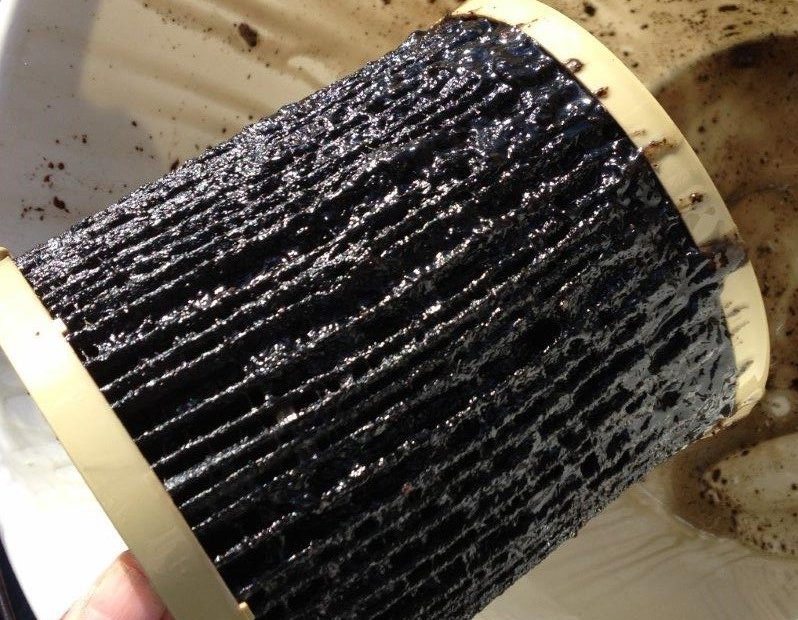
Cold temperatures temporarily affect gasoline performance by reducing volatility, which can make starting difficult and cause rough running until the engine warms. A more serious issue is moisture. Water can enter the fuel through condensation, bad seals, or a contaminated supply. When the temperature drops, water can freeze into ice crystals that clog filters and jets. In ethanol-blended fuel, water can also cause separation, creating a water-heavy layer that burns poorly and causes rough running. Gasoline degrades over time due to oxidation and the evaporation of lighter components. Although cold slows chemical reactions, it does not stop them. Fuel can still become stale if it sits for months, especially in partially filled containers with more air space.
Can You Store Gasoline In A Plastic Container
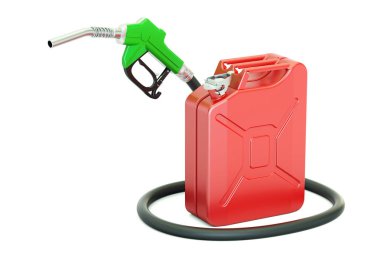
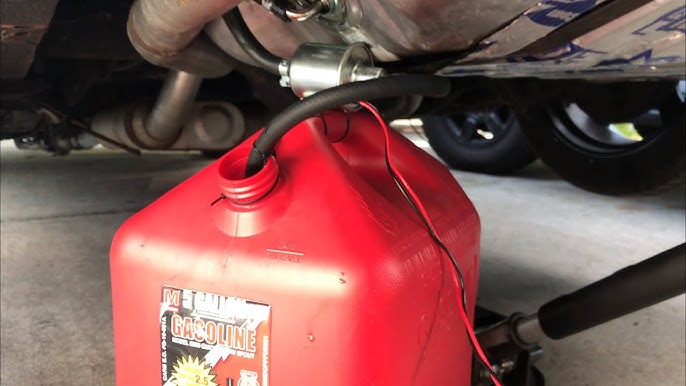
Can you store gasoline in a plastic container depends entirely on the specific container type. Approved fuel containers are appropriate for gasoline storage and transport. These containers use fuel-resistant plastics and feature tight sealing caps, flame-arresting designs, and safety-compliant venting.
A common error is assuming any plastic bottle is safe. Storing gasoline in plastic containers is only safe when the container is purpose-built and explicitly labeled for gasoline. Household plastics can degrade, leak, or allow faster vapor passage than fuel-rated containers. Furthermore, their caps often spill easily. Approved fuel containers must meet recognized regulatory and safety standards, often having specific markings. They are also designed to manage temperature-related expansion and contraction, which minimizes the risk of leaks.
Where will you store the gasoline during winter?
Outdoors in freezing weather
Solution:
Store it upright in a covered, ventilated, secure spot out of direct sun and away from grills, generators, and any ignition sources. Cold won’t usually freeze gasoline solid, but check monthly for swelling, cracks, or leaks and keep moisture out.
Solution:
Don’t store it that way. Transfer the fuel to a certified gasoline container as soon as possible or delay storage until you can get one. Household plastics can degrade, leak, and let vapors escape, raising spill and fire risk.
Are you using an approved fuel-rated container (not a household bottle/jug)?
Solution:
Don’t store it that way. Transfer the fuel to a certified gasoline container as soon as possible or delay storage until you can get one. Household plastics can degrade, leak, and let vapors escape—raising spill and fire risk.
Solution:
Keep the container in a cool, well-ventilated area far from water heaters, furnaces, chargers, power tools, and anything that can spark or flame. Keep it upright, don’t overfill, and avoid storing near other flammables.
Is It Safe To Put Gas In A Plastic Container
Storing gasoline in plastic is safe only when the container is certified for fuel and used correctly. The primary hazards are vapor buildup, spills, and ignition. Gasoline vapors ignite more easily than liquid fuel, making proper sealing and storage location critical. Static electricity poses a risk during filling and pouring. Approved containers and safe handling minimize static discharge. Never store gasoline in living areas or near heat, sparks, or pilot flames. Even small amounts of gasoline create dangerous vapor levels in enclosed spaces.
What Plastic Containers Are Safe For Gasoline
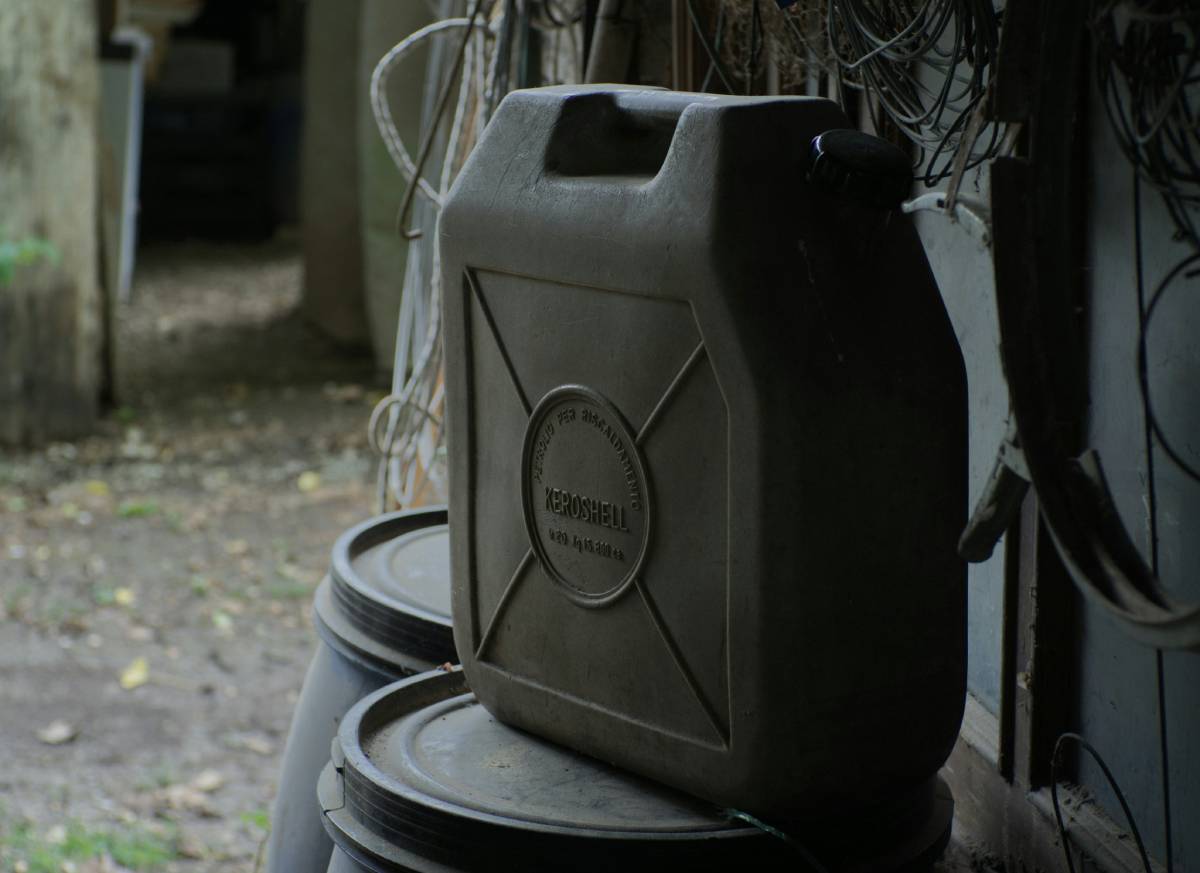
Safe plastic gasoline containers are specifically designed and clearly labelled for fuel. They are built from fuel-compatible polymers, often high-density polyethene made for hydrocarbons. These approved containers include a strong cap, a controlled pouring spout system, and markings confirming compliance with safety standards.
Avoid using repurposed household bottles and jugs. A frequent concern is storing gas in a plastic bottle, but the safe answer is that standard household containers are unsuitable. This is also true for questions like can you put gas in a plastic bottle or can I put gasoline in a plastic bottle. Household bottles are not designed to withstand gasoline exposure, pressure changes, vapor containment, or safe pouring. If an approved container is unavailable, the safest choice is to delay storing the fuel. The risk of fire and spills from makeshift containers is not worth the danger.
Metal Vs Plastic Gas Containers
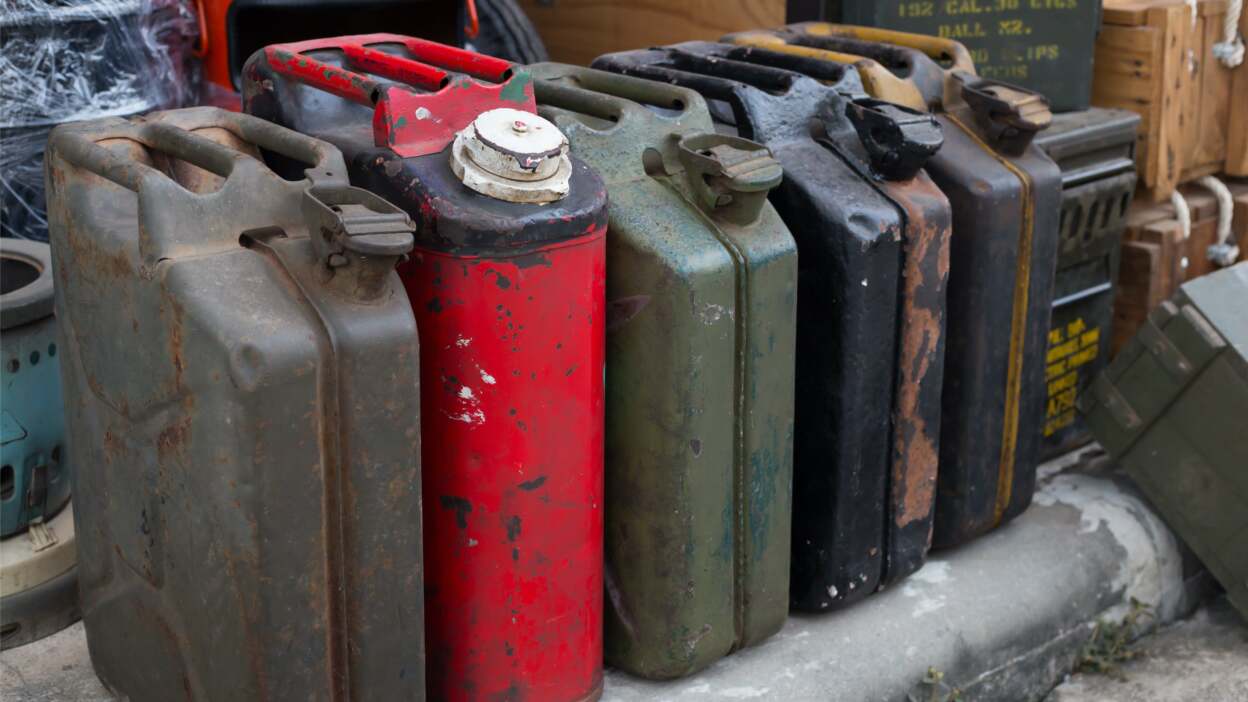
Approved metal and plastic gas containers are both safe when in good condition. The optimal choice depends on fuel storage, movement frequency, and environmental conditions. Plastic is lighter and resists rust. Metal is often more puncture-resistant but can corrode if the coating is damaged or water is present. Both types can build pressure and must be kept from heat. Below is a practical comparison to help you choose.
| Feature | Plastic fuel-rated container | Metal fuel-rated container |
|---|---|---|
| Weight and handling | Lighter, easier to carry | Heavier, can feel more stable |
| Corrosion | Does not rust | Can rust if damaged or wet |
| Impact and puncture | Good, but it can crack if very cold and damaged | Often more puncture-resistant |
| Vapor control | Designed to reduce vapor loss when approved | Often, strong sealing when approved |
| Long storage | Works well if kept cool and out of the sun | Works well if kept dry and protected |
Long-term storage depends more on sealing, temperature stability, and keeping moisture out than on choosing metal or plastic. A damaged metal can with rust, or a damaged plastic can with cracks, is unsafe either way.
Storing Gas In Plastic? Make Sure It’s Actually Fuel-Rated
Not every plastic container is safe for gasoline; improper bottles can leak vapors, degrade, or fail in the cold. Learn what “approved” containers mean and how to store them safely at home.
Which Is Safer Metal Or Plastic Gas Cans
Safety depends on approval, condition, and use. A certified metal can offers better puncture resistance and is easier to ground. A certified plastic can reduces rust risk and is easier to handle, minimizing spills. Transport and storage require different considerations. For frequent transport, durability and spill control are most important. For storage, prioritize vapor control, leak resistance, and keeping the can away from ignition sources. Always avoid improvised containers and ensure proper container and cap compatibility.
Can Gasoline Be Stored Outside In Freezing Temperatures
Gasoline can be stored outdoors in freezing temperatures only if local regulations permit it and all safety conditions are met. Cold is not the primary danger to the fuel, but outdoor storage introduces risks from weather exposure, temperature variations, and potential physical harm.
Frequent temperature shifts can increase internal condensation, especially if the container seal is not tight. Snow and ice can obscure leaks, while sun exposure may warm the container, raising internal pressure. Outdoor placement also increases the chance of the container being overturned or tampered with. Storage becomes unsafe when the container is exposed to direct sun, standing water, high foot traffic, or any nearby ignition source, such as a grill, generator exhaust, or electrical equipment.
Is It Okay To Leave Gasoline Outside In Winter
Storing gasoline outside in winter requires a protected, ventilated, and secure area. The container must remain upright, stable, and shielded from direct sunlight, heavy snow, and impact. Cold temperatures increase material brittleness, risking damage if the container is dropped. Ice can obstruct caps, and forceful opening can compromise seals. Outdoor storage also increases theft and risks soil and drain contamination from spills. If necessary, use an approved, covered, and ventilated container, keeping it away from ignition sources.
Where To Store Gasoline Safely At Home
For safe gasoline storage, minimize the amount kept. Use an approved container and store it in a cool, well-ventilated, secure area, away from any ignition sources. Good locations reduce vapor buildup and protect the container from damage. Use these practical guidelines.
- Store gasoline outside living spaces, never in bedrooms or kitchens.
- Keep containers away from flames, sparks, and hot surfaces.
- Choose a cool spot, since heat increases vapor pressure.
- Keep the container upright, stable, and out of reach of children.
- Avoid storing near paints, solvents, or other flammables that add risk.
- Do not store where spills can run into drains or water paths.
- Label the container clearly and do not mix it with other liquids.
Is Storing Gasoline In The Garage Safe
A garage is not automatically safe, despite often being safer than indoor living spaces. Many garages contain ignition sources such as water heaters, furnaces, freezers, battery chargers, and power tools. Even switching a light can create a small spark.
If storing gasoline, keep it away from appliances and off the floor if flooding is possible. Ensure the area is well ventilated. Do not store gasoline near vehicle exhaust, heat, stored rags, cardboard, or chemicals that could fuel a fire. For garages with an appliance that uses a flame, consider a secure, ventilated outdoor shed, if permitted locally.
How To Properly Store Gas During The Winter
Winter storage is about safety first, and fuel quality second. The goal is to reduce spill risk, keep vapors controlled, and limit moisture and oxidation.
Use a simple routine.
- Use only approved fuel containers in good condition with a tight cap.
- Fill containers in a safe outdoor area, and avoid overfilling.
- Leave a small amount of space for expansion as temperatures change.
- Wipe off drips, and keep the outside of the container clean and dry.
- Store the container upright in a cool, ventilated, secure location.
- Keep fuel away from sunlight, heaters, flames, and electrical equipment.
- Check the container monthly for swelling, cracks, or odor of leaks.
These steps matter whether you store fuel for a few weeks or for a season. They also reduce the temptation to use unsafe options like gas in plastic bottle storage when you are in a hurry.
How Do You Winterize Gasoline
Winterizing gasoline involves reducing moisture and slowing degradation during storage. Controlling moisture requires a good seal and limited temperature changes. A full container reduces air space and condensation but leave room for expansion, so do not overfill.
Oxidation and loss of lighter components change the smell and performance of gasoline over time. For storage longer than a short period, using a stabilizer helps, especially for small, unused engines. Winterization is most beneficial for long storage or for emergency fuel reliance.
Fuel Stabilizers Like STA BIL Are An Easy Way To Keep Gas From Going Bad
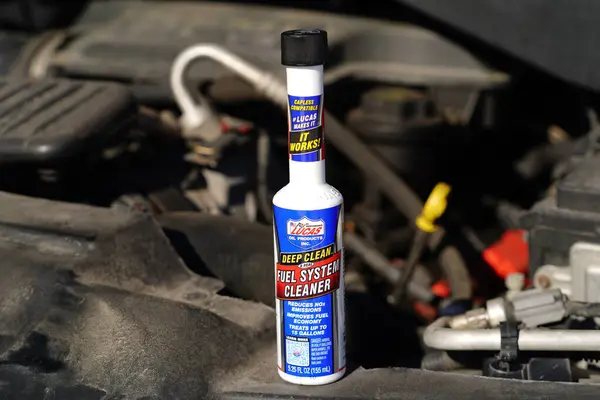
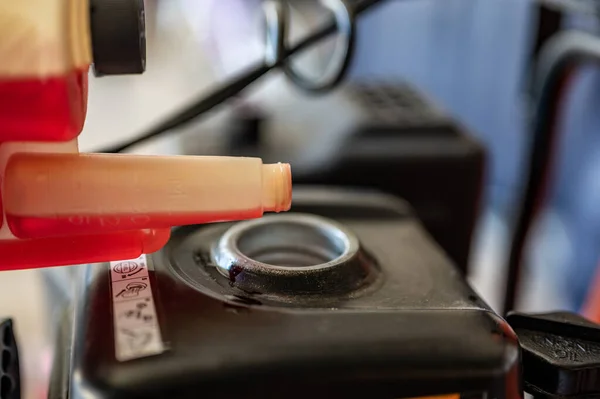
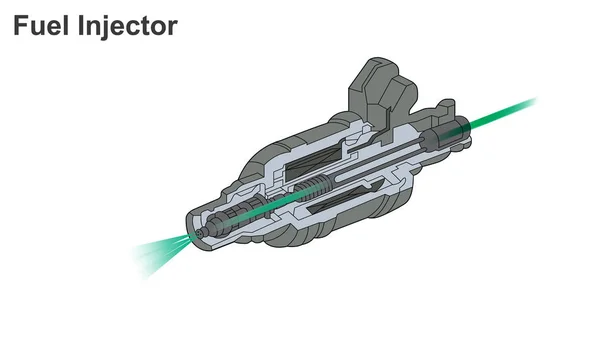
Fuel stabilizers slow oxidation, reducing the formation of gums and varnish that clog carburettors and injectors. They cannot restore old fuel, but they extend the usable life of fresh fuel when added early and stored correctly. Stabilizers work best when the fuel is new and the container is sealed. Optimal results require good storage practices, including keeping the container cool, limiting air exposure, and preventing contamination. For seasonal equipment or emergency backup, a stabilizer reduces fuel waste and prevents starting problems. Choose a trusted stabilizer and follow the label directions. Combine this with approved containers, quality spouts, and proper sealing to protect engines and ensure more reliable long-term storage.
Want Your Gas To Start Strong After Winter Storage?
CTA 3 Title: Want Your Gas To Start Strong After Winter Storage?
Even in the cold, gasoline can still go stale over time, especially if moisture and air exposure sneak in. Follow a simple winter storage routine and learn when a fuel stabilizer helps most.