Need Emergency Fuel Delivery?
  info@elanfuels.com
Key Takeaways
- Who makes DEF fluid can mean the producer, the blender, or the brand owner
- Diesel exhaust fluid manufacturers are fewer than the number of labels on shelves
- Quality matters more than marketing for most DEF fluid brands
- The best DEF fluid is the one that meets ISO 22241 consistently
- A reliable DEF supplier protects product purity during storage and delivery
Table of Contents
Who Makes DEF Fluid?
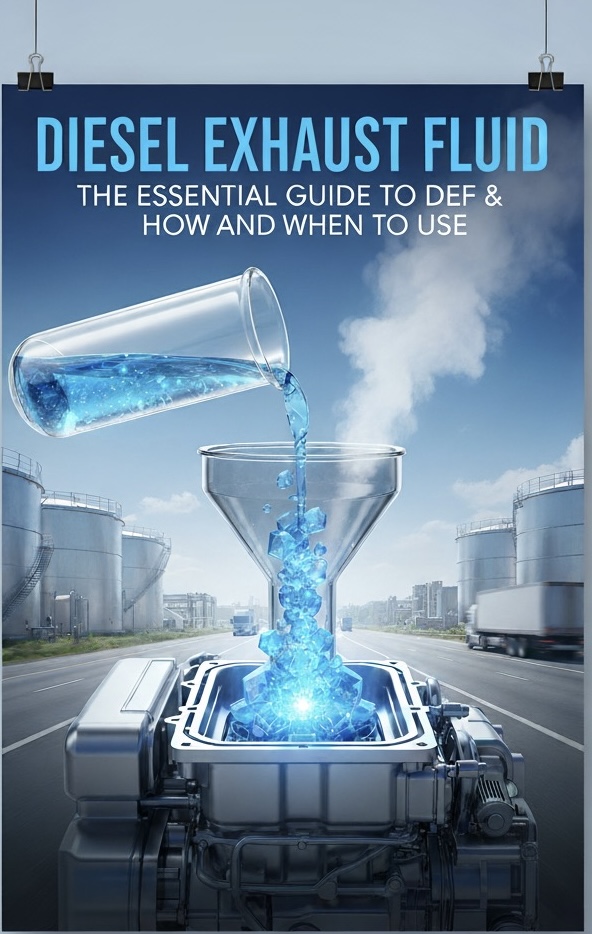
DEF is a high-purity urea and water solution. It is used by selective catalytic reduction systems on modern diesel engines. Many buyers want to know who makes DEF fluid because supply chain choices affect quality control, traceability, and product consistency.
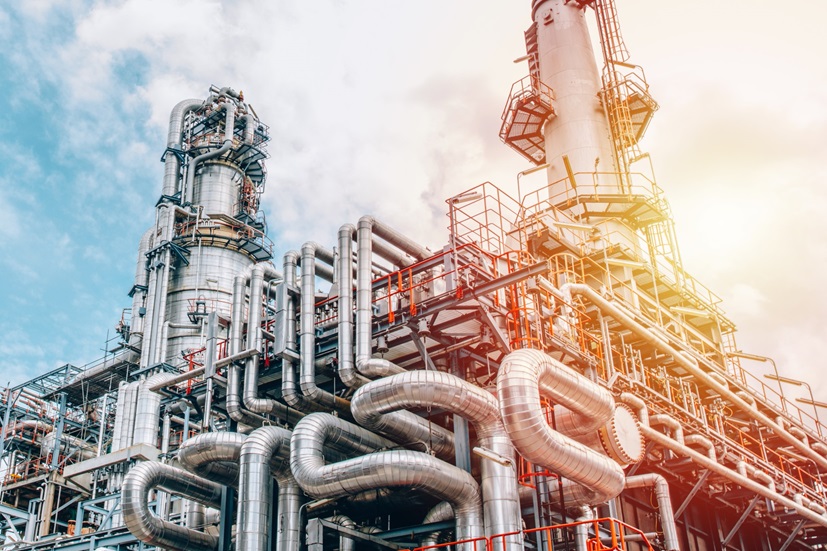
The supply chain involves several stages. Chemical producers start the process by making technical-grade urea and purified water inputs. Next, DEF blenders combine these inputs to the required ratio, verify purity, and handle packaging. Finally, distributors and retailers store, transport, and sell the product in bulk or small containers. This ecosystem is global. Urea production is often tied to natural gas and large fertilizer capacity. Blending and packaging are frequently regional to allow fast delivery. Therefore, where DEF is made can involve one country for the urea and a different country for blending and packaging.
Who Makes DEF Fluid For Commercial And Retail Markets?
Large fleets purchase DEF in bulk, working with DEFsuppliers for totes, tank refills, or on-site delivery. Bulk channels prioritize consistent supply, documented testing, and clean logistics. Retail channels focus on convenience, smaller packaging, and wide distribution. Many retail labels are private label products, meaning a brand contracts a blender to package DEF under that brand name. This allows diesel exhaust fluid brands to multiply quickly, even if the pool of diesel exhaust fluid manufacturers is smaller. Production scale affects pricing, as big regional blenders benefit from volume inputs and high throughput. Compliance and handling matter more than label design when choosing between DEF brands.
Who Is The Largest Producer Of DEF?
The phrase largest producer can mean different things. It might mean the most DEF volume blended and sold, the most urea capacity feeding DEF production, or the widest distribution footprint. Companies that are strong in industrial nitrogen and urea often have an advantage because DEF is built on that same supply base. One company that publicly describes itself as the world’s largest DEF producer is Yara, which sells DEF under its Air1 brand in many markets.
In the DEF industry, volume is often measured in liters or gallons of finished DEF delivered, and upstream scale can be measured in tons of urea capacity. Scale matters because it supports stable sourcing, more frequent quality testing, and redundancy across plants. It also reduces the risk of shortages when regional logistics are disrupted.
Not Sure Who Actually Makes Your DEF?
The logo on the jug doesn’t always mean the brand is the producer. Learn how to spot the real manufacturer vs the supplier, and what paperwork (like ISO 22241 compliance and lot traceability) proves your DEF is legit, especially for bulk deliveries.
Who Is The Largest Manufacturer Of DEF?
In the context of DEF, producer and manufacturer are distinct terms. A chemical producer manufactures the industrial-scale urea input. A DEF formulator or blender then manufactures the finished DEF by mixing purified water and high-purity urea according to specifications. A vertically integrated company performs both steps, which simplifies quality control and improves traceability. Therefore, asking who makes DEF has multiple valid answers. Separating raw material manufacturing from finished fluid manufacturing is best.
How Many Companies Produce DEF?
There are significantly more brands than true DEF manufacturers. The limited number of manufacturers is due to the requirements for consistent access to high-purity urea, demineralized water systems, dedicated blending equipment, controlled packaging, and tight compliance with ISO 22241. This gap between producers and brands allows hundreds of DEF fluid brands to exist through private label packaging. However, the number of facilities that actually blend and test DEF to specification is much smaller. High barriers to entry also include transport, storage requirements, dedicated tanks, proper cleaning procedures, and distribution networks that prevent contamination.
Buying DEF In Bulk?
To protect your SCR System from contamination, bulk DEF is convenient, but handling mistakes can contaminate fluid and trigger costly SCR problems. Use a simple checklist: dedicated equipment, clean storage, sealed fittings, and documentation like COAs and traceability, so you’re buying compliant DEF, not a future repair bill.
Diesel Exhaust Fluid Manufacturer And Supplier Roles Explained
A manufacturer is responsible for making DEF to the required specification, while a supplier is responsible for getting compliant DEF to the end user in usable condition. Many buyers work mostly with DEF suppliers, even when the supplier is not the manufacturer.
Key responsibilities for manufacturers are as follows;
- Diesel exhaust fluid manufacturers blend to the correct ratio and verify purity
- DEF manufacturers package DEF into jugs, drums, totes, or bulk tanks
- DEF suppliers manage storage, transport, and delivery to fleets or retailers
- A DEF supplier should protect DEF from heat, dirt, fuel, and metal contact
- End users should confirm paperwork, dates, and handling practices at delivery
You typically purchase from a supplier who sources from blenders. Crucially, the supplier must demonstrate traceability, handle the product correctly, and not mix DEF logistics.
What Are The Main Diesel Exhaust Fluid Brands?
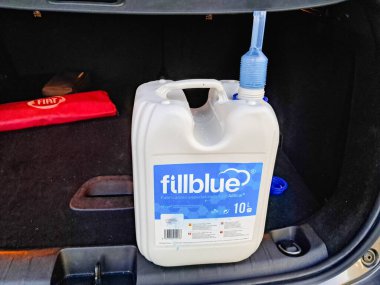
Brands are marketing identities, not a unique formula guarantee. DEF meeting ISO 22241 is the same solution regardless of the label. However, diesel exhaust fluid brands differ in sourcing, testing, packaging quality, and logistics control.
Here is a practical way to think about the difference between DEF brands and the companies that make DEF behind the scenes
| Brand type you see | Who may be behind it | What usually differs | What should not differ |
|---|---|---|---|
| Global integrated brand | Large nitrogen and DEF producer | Supply stability and traceability | ISO 22241 purity targets |
| Fuel distributor label | Regional blender and packager | Delivery footprint and packaging formats | Correct urea concentration |
| Retail private label | Contract blender for packaging | Price and shelf availability | Basic chemical composition |
| Fleet-focused program | Supplier network with audits | Service levels and bulk logistics | Compliance requirements |
So when people compare DEF fluid brands, it helps to focus on documentation, certification, and storage practices. Marketing names matter less than proof of compliance.
Does Brand Matter For DEF Fluid?
Brand is often less important than many believe, provided the product is compliant and handled correctly. The idea that one brand has a superior formula is a common mistake. For compliant Diesel Exhaust Fluid, the chemistry is standardized. The true difference lies in risk management. Certain brands offer better controls for packaging, lot tracking, and distribution.
Some suppliers store DEF too long or use containers that increase contamination risk. Brand becomes more critical when risk exposure is high, such as with bulk tanks in heat, long supply chains, or sites where fuel and chemicals are handled together. If you buy DEFfor diesel trucks in small, sealed containers from a quick-turnover retailer, the difference between compliant DEF brands is usually minimal. For bulk purchases, the supplier’s handling procedures are more significant than the label.
Why Quality Matters In DEF Fluid Production
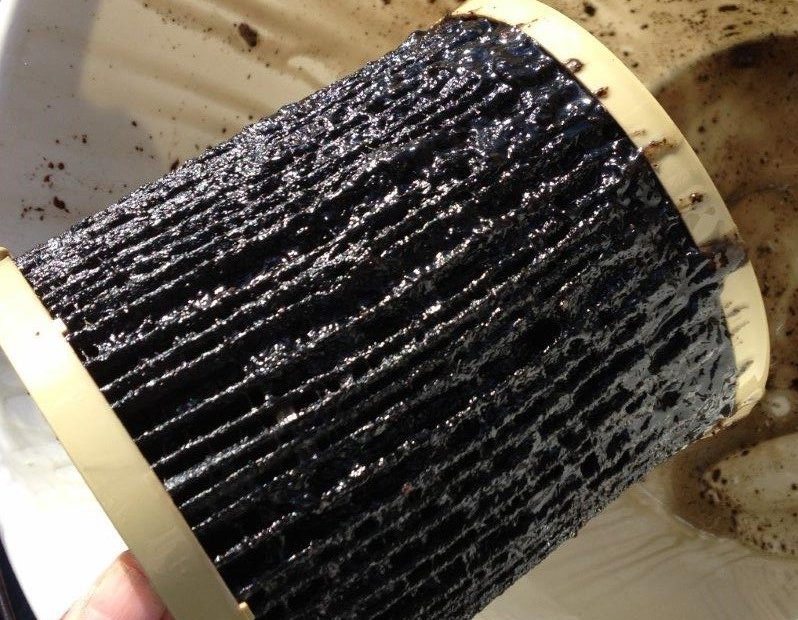
DEF quality directly affects the selective catalytic reduction system. Contaminants can clog dosing components, damage catalysts, trigger fault codes that reduce performance, or limit engine power. Poor quality DEF can also create expensive, hard-to-remove deposits. This is why knowing who makes DEF fluid matters. A strong producer and supplier chain minimizes the chance of off-spec fluid or contamination during transport. Consistency is also vital for quality. Even small deviations in purity can cause long-term reliability issues, which is why ISO 22241 mandates strict impurity limits, clean handling, and rigorous testing.
Want A Quick Way To Trust A DEF Brand?
ISO 22241 is the non-negotiable baseline, but third-party verification can make shopping easier, especially for private labels. Use API certification as a shortcut to confirm licensed DEF marketers and reduce the risk of vague or misleading label claims.
What Are The Risks Of DEF Contamination?
Common contamination sources include dirt, dust, fuel splash, oils, coolant, tap water minerals, and metals from unapproved containers. Even small contamination can harm the emissions system because the SCR process depends on predictable chemistry. Risks include warning lights, reduced power modes, and expensive component replacement.
Prevention is straightforward
- Use dedicated DEF equipment
- Keep caps closed and funnels clean
- Avoid refilling from unverified open containers
- Store DEF out of direct heat and sunlight
- Work with DEF suppliers that use dedicated tanks and clean transfer lines
Contamination prevention is often more important than chasing a specific label when comparing DEF fluid brands.
What Should You Look For When Choosing DEF Fluid?
When people ask for the best DEF fluid, the safest answer is the most consistently compliant DEF from a controlled supply chain. Use simple checks that work for both bulk and packaged DEF.
Use this checklist;
- Confirm the label states ISO 22241 compliance
- Prefer sealed packaging or controlled bulk delivery systems
- Ask for lot traceability and a certificate of analysis when buying bulk
- Check storage conditions at the retailer or on-site tanks
- Choose suppliers with dedicated DEF handling equipment
- Avoid suspiciously cheap products with unclear origin
- Keep your own storage clean and use approved containers
When comparing DEF suppliers, ask about preventing cross-contamination, tank cleaning frequency, and temperature control during storage and delivery. A good DEF supplier provides clear answers and consistent paperwork.
Why API Certification Is Important For DEF Fluid
The American Petroleum Institute offers a voluntary certification for DEF marketers and brands. This certification provides third-party oversight and a public directory, allowing buyers to verify active licensees and licensed products. This system reduces the risk of counterfeit marks and vague claims on labels, ensuring accountability for quality controls throughout the supply chain. API certification is a helpful shortcut for buyers, especially when they do not know who makes the DEF for a private label product.
What Does ISO 22241 Compliance Mean For DEF?
ISO 22241 is the essential standard for diesel exhaust fluid. It establishes product quality, test methods, handling, transport, storage, and refilling standards. Essentially, it defines the required composition of DEF and what contaminants it must exclude. It also sets requirements for systems that maintain DEF cleanliness from manufacturing to the vehicle. ISO 22241 compliance is therefore mandatory. Noncompliant products will damage emissions equipment. When you compare diesel exhaust fluid brands, ISO compliance is the non-negotiable baseline.
What atmosphere are you trying to create with your table skirting design?
For a formal or elegant setting, what kind of visual impact do you prefer?
Solution:
Choose neutral table skirting colors like white, ivory, or beige. These shades lend grace and tradition to weddings, galas, and formal dinners. Pair with subtle damask or jacquard patterns for an added touch of refinement.
Solution:
Opt for black table skirts with clean lines. This color exudes sophistication, especially for corporate events. Combine with metallic accents or minimalist décor to complete the contemporary look.
For a casual or festive setting, what would best enhance your theme?
Solution:
Use bold table skirting hues like royal blue, crimson, or emerald. These vibrant colors inject energy into parties, birthdays, or themed celebrations. Fun patterns such as polka dots or gingham work well to create a cheerful mood.
Solution:
Match your table skirt design to the time of year. Soft florals suit spring gatherings, while warm plaids are perfect for autumn events. Earth tones create a cozy, grounded feel, and metallics bring a festive flair to holiday celebrations.
Who Makes DEF Fluid In The United States?
In the United States, Diesel Exhaust Fluid (DEF) is sourced from domestic blending, packaging, and imported or domestically produced urea. The market involves nitrogen producers, chemical companies, and fuel distributors. Regional blenders package retail jugs under private labels, while established networks deliver bulk DEF for fleets. Local production offers advantages, including shorter transport and reduced contamination risk. For buyers, the key is to confirm ISO compliance, traceability, and good logistics from the DEFsuppliers you use.
What Is The Chemical Composition Of DEF Fluid?
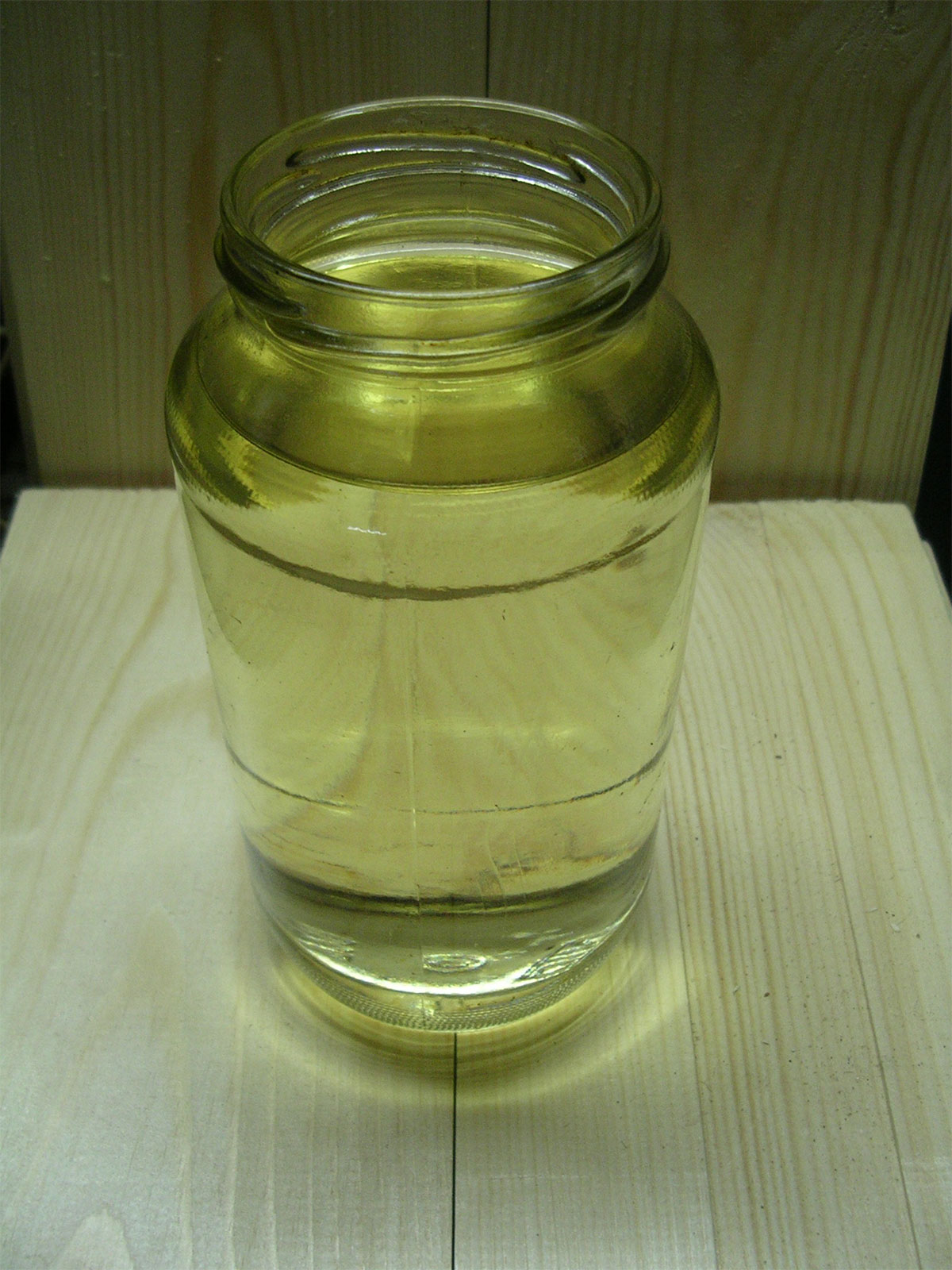
DEF is a standardized solution consisting of 32.5% high purity urea and 67.5% purified, deionized water. This precise ratio ensures predictable conversion within the SCR system and consistent freezing and thawing behavior. DEF is injected into the exhaust stream, not mixed with diesel fuel. It differs from agricultural urea or industrial chemicals, which have different impurity profiles. Therefore, the identity of diesel exhaust fluid manufacturers and their quality controls is essential for product performance.