Need Emergency Fuel Delivery?
  info@elanfuels.com
Key Takeaways
- The best additive to remove water from gas tank issues usually uses alcohol or enzyme-based chemistry.
- Light moisture responds well to water in gas tank treatment and gas treatment for water products.
- Heavy contamination often needs draining, not only fuel additives for water in gas use.
- Small engines need careful product choice because some formulas can affect rubber parts.
- Good storage habits reduce the need for repeated water in fuel treatment later.
Table of Contents
Best Additive To Remove Water From Gas Tank
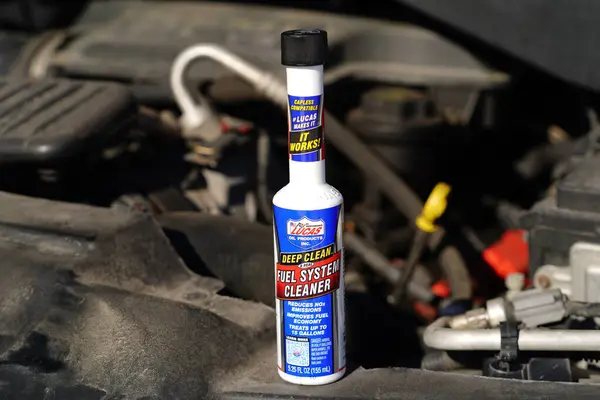
A good fuel additive designed to remove water from fuel grabs small amounts of moisture and blends the moisture into the fuel in a burnable form. This helps the engine pass it through normal combustion. This is the main job of additives in gas water treatment and fuel treatment for water in gas products.
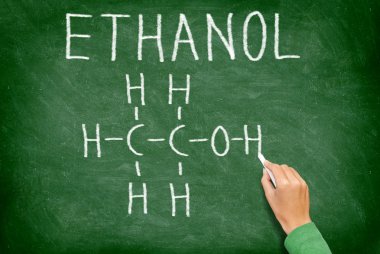
Many formulas for fuel treatment additives rely on alcohol chemistry, especially isopropyl alcohol and methanol. These ingredients bond with water molecules and help suspend them in the fuel long enough for them to be safely burned off. Some newer formulas use enzyme-based chemicals instead. These are marketed as additives for water in gas options for people who want more storage support.
The best treatment for water in gas should match the engine, the fuel blend and the contamination level. A high-quality water remover from the gas tank product should work quickly, avoiding harm to fuel system parts and supporting smoother running after treatment. For routine maintenance, a trusted gas tank remover can prevent sputtering, poor starts and corrosion. For shoppers comparing products, the best water remover for gas is usually the one that fits the vehicle and the severity of the problem.
If you’re having doubts about which is the best water treatment additive you should use, browse our carefully curated selection of top/rated fuel treatments to quickly eliminate moisture and protect your fuel system from expensive repair costs.
Does HEET Water Remover Work For All Vehicle Types?
Classic yellow HEET is widely known as a heet water remover product. It uses methanol to absorb water and help it travel through the process of combustion. That makes it as fast acting as a treatment option for removing water from many standard gasoline engines.
Methanol formulas can be effective when moisture levels are low, and the goal is quick recovery. This is why many drivers use dry gas additive products in cold weather. Methanol also helps reduce gas line freezing by lowering the freezing point of the water and fuel mixture.
Still, not every engine responds the same way to water-treated fuels; some high-performance engines and other fuel-sensitive systems may do better with isopropyl-based products. For modern engines, users often compare HEET results against isopropyl-based formulas before making their decision.
How much water contamination do you think is in the tank?
Are you experiencing an unexpected outage or urgent fuel shortage?
Solution:
Start with a fuel additive designed to remove small amounts of water from gasoline, preferably one matched to modern fuel systems. Add it before refueling so it mixes well, then monitor for smoother starting and running. If symptoms continue, inspect for heavier contamination instead of adding more product.
Solution:
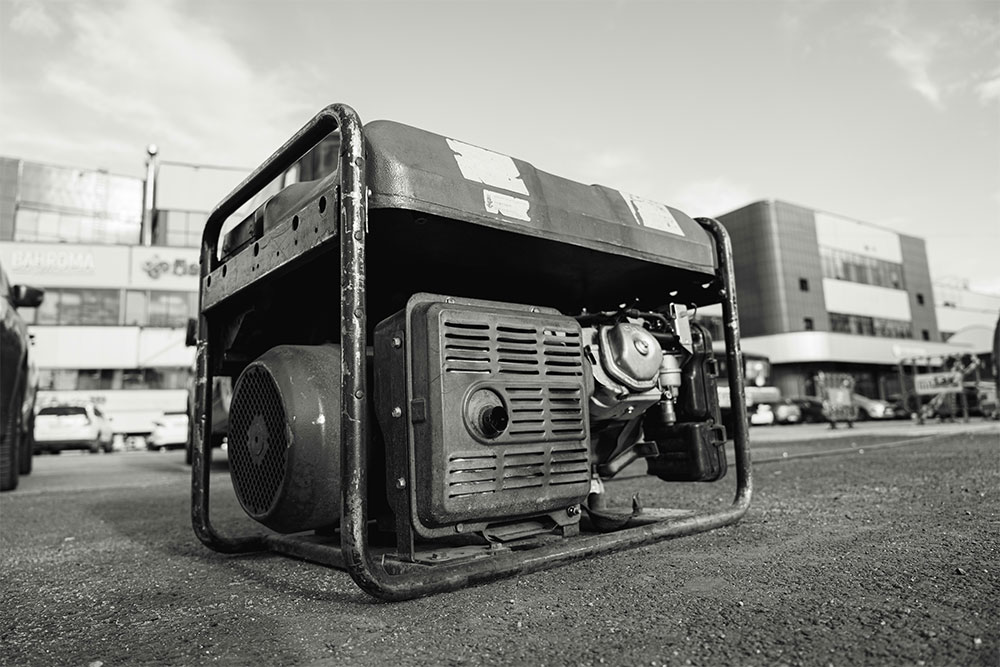
Use a small-engine-safe or storage-focused treatment labeled for mild water contamination, and check that the formula is compatible with older rubber or plastic parts. This works best for minor moisture in mowers, generators, and similar equipment. If performance does not improve, drain the fuel rather than relying on repeated additive use.
Is the fuel going into a car or a small engine?
Solution:
Skip additives as the main fix and move to physical removal, such as draining or siphoning the tank safely in a ventilated area away from sparks. Heavy contamination can keep causing stalling, poor starts, and corrosion if it is left in the system. After removal, refill with clean fuel and inspect filters or related fuel system parts if symptoms remain.
Solution:
Drain the tank and contaminated fuel completely instead of trying to solve the problem with an additive alone. Small engines are especially sensitive to bad fuel, moisture, and prolonged storage issues, so physical removal is the safer recommendation here. Refill with fresh fuel, inspect lines and carburettor-related components, and use a stabilizer only after the system is clean.
How Does Sea Foam In Gas Tank Applications Handle Moisture?
Many people inquire about Sea Foam for use in gas tanks because Sea Foam acts as a cleaner, stabilizer, and moisture handling treatment. It works by dispersing small traces of water, which allows them to pass through the combustion process more evenly. Its petroleum-based formulation makes it suitable for longer storage and mixed-use engines, which is beneficial when fuel remains in seasonal equipment. For minor water contamination, many ask if seafoam removes water from gas, and it can help with some moisture, but it is not the ideal choice for significant water presence.
Does Star Tron Remove Water From Gas Using Enzyme Technology?
Star Tron is an enzyme-based water fuel treatment option. It reduces surface tension, so tiny water droplets disperse more evenly in fuel. This is crucial for ethanol blends where phase separation is a problem. Water in fuel additive products with enzyme claims support storage stability in boats, generators, and vehicles that sit unused. They help prevent the buildup of fuel water contamination over time.
How Do You Get Water Out Of Gas Tank Systems Effectively?
- Confirm the problem first. Rough idling, hesitation, hard starts, stalling, and poor mileage can point to water in fuel or water in gas tank treatment needs.
- Check for likely causes. A loose gas cap, a bad storage can, heavy condensation, or a contaminated fuel purchase can all lead to having to use a water remover for gas tank work.
- For light contamination, add a proper fuel additive for water in the tank or a gasoline water remover product, then fill the tank to promote mixing.
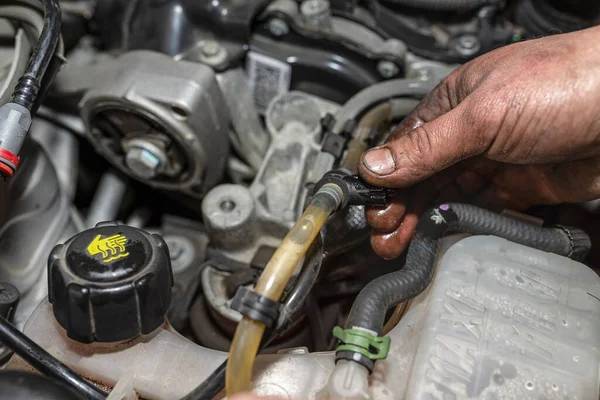
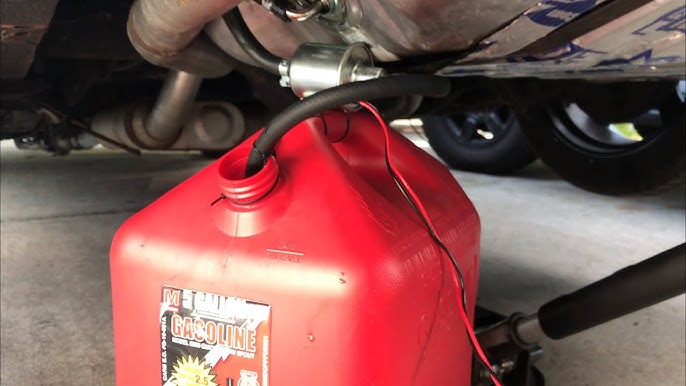
- For moderate to heavy contamination, physical removal is better. A siphon, drain, or tank removal may be needed for a full removal of water from the gas tank.
- Keep the vehicle level and work in a ventilated area. Avoid sparks, open flames, and hot surfaces during the treatment of water in gas tank procedures.
Chemical treatment is best when the water content is low. Physical draining is better when the tank has obvious separation or a large slug of water.
Not Sure Which Additive Removes Water From Gas Best?
Choosing the wrong treatment can waste money and leave moisture sitting in your fuel system. Get help comparing fast-acting additives, small-engine-safe formulas, and storage-focused treatments before the problem gets worse.
What Are The Most Common Ways To Remove Water From Fuel?
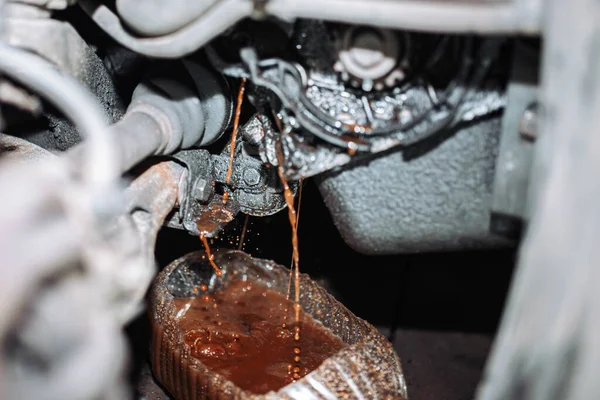
There are two principal methods for addressing water in a fuel tank: physical removal and chemical treatment. Physical removal includes draining the tank, fuel polishing, or siphoning from the lowest point, and it is the most effective approach for severe contamination or when clear separation is present. This method is the safest way to remove water from gasoline in large amounts.
Chemical treatment involves using a fuel water remover, gas water remover, or an additive to get water out of the gas product. This is suitable for minor condensation or preventive care. If an engine exhibits light symptoms, chemical treatment may suffice. If the engine will not run, stalls constantly, or has visible water layers, physical removal is the better answer for how to remove water from fuel.
Does Water Sink In Gas Or Float On Top?
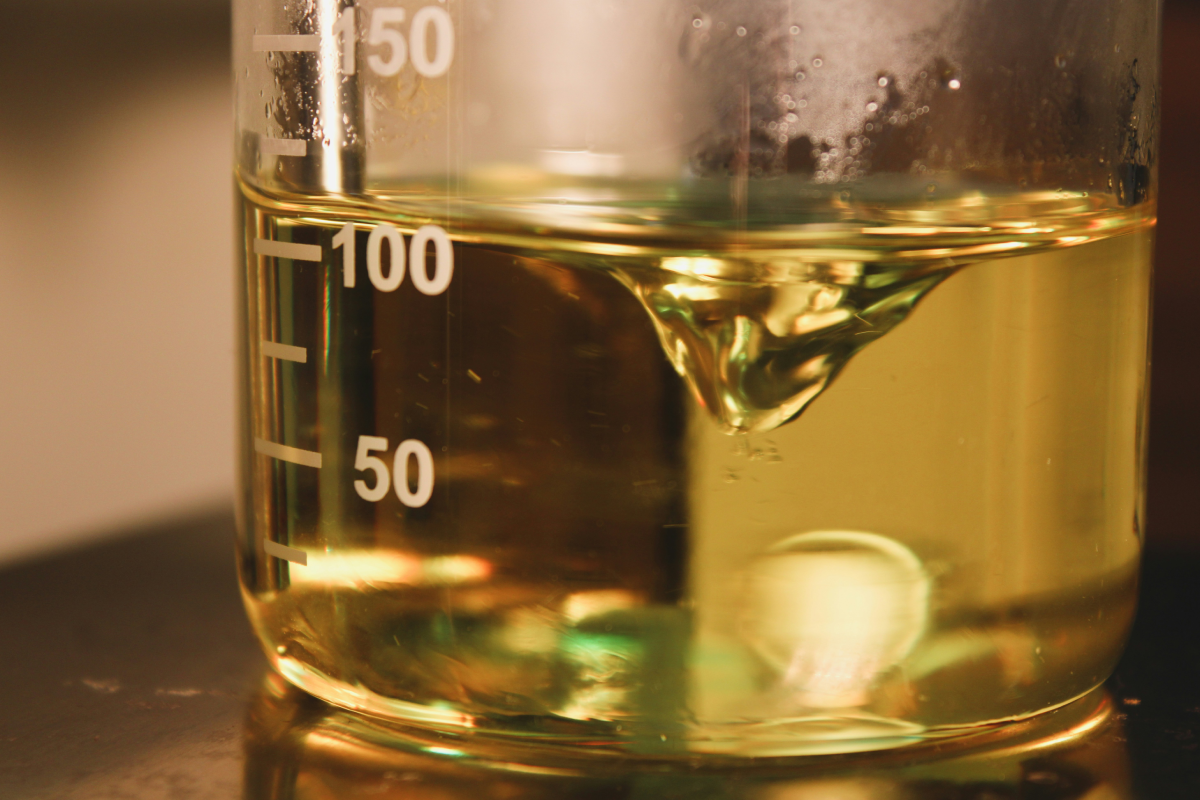
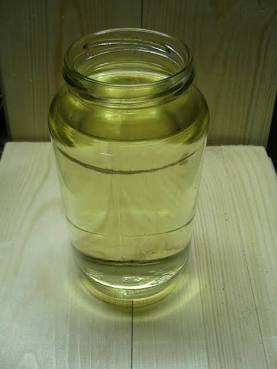
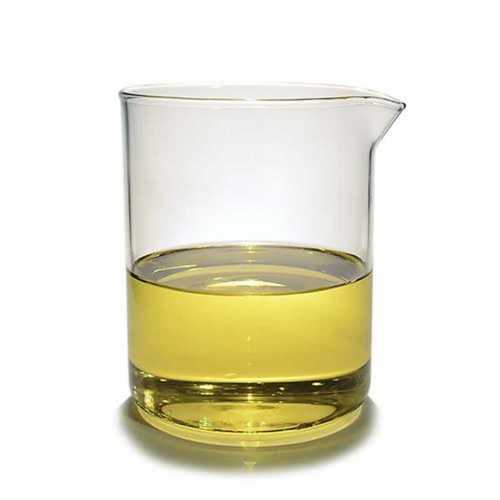
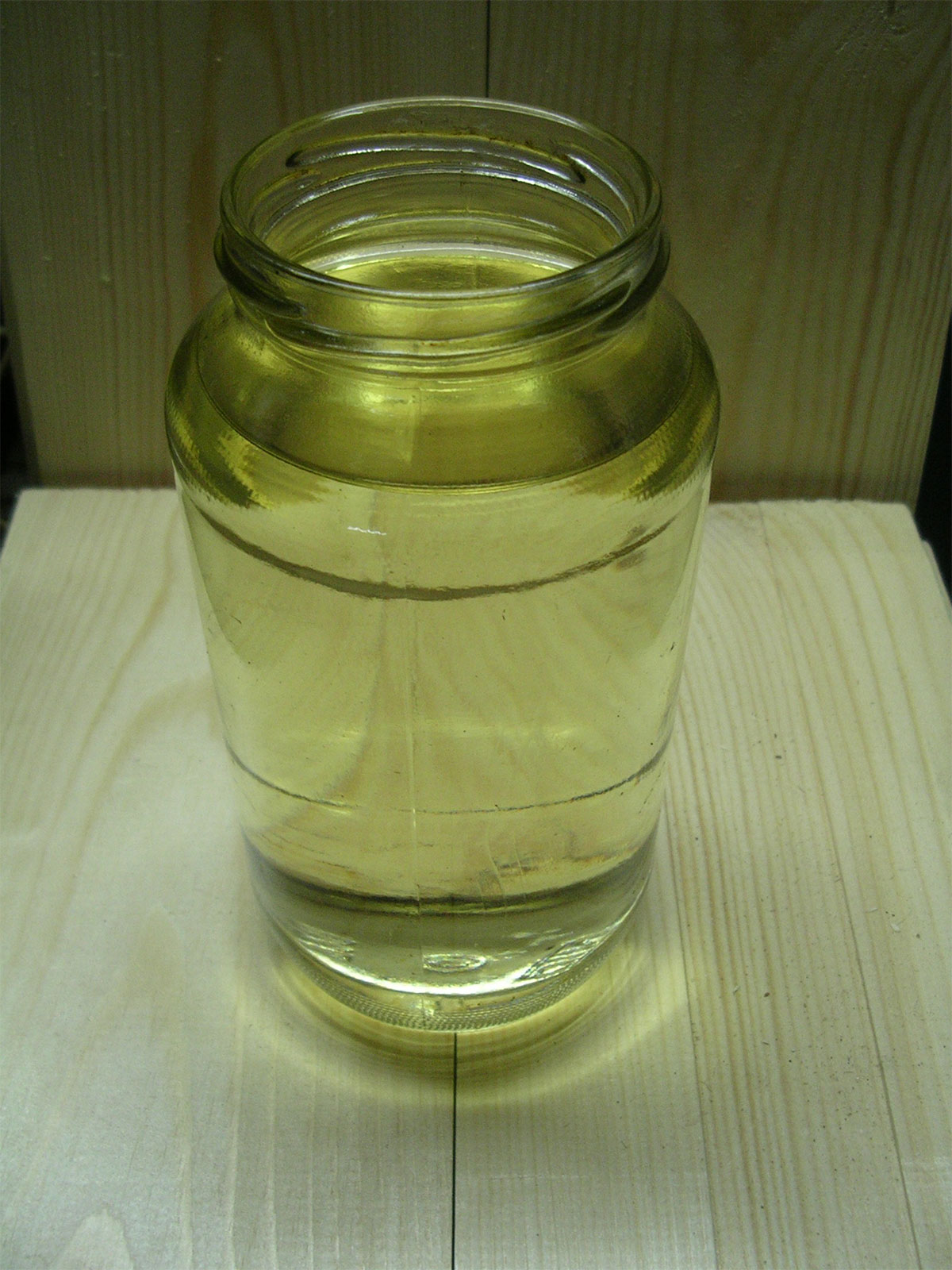
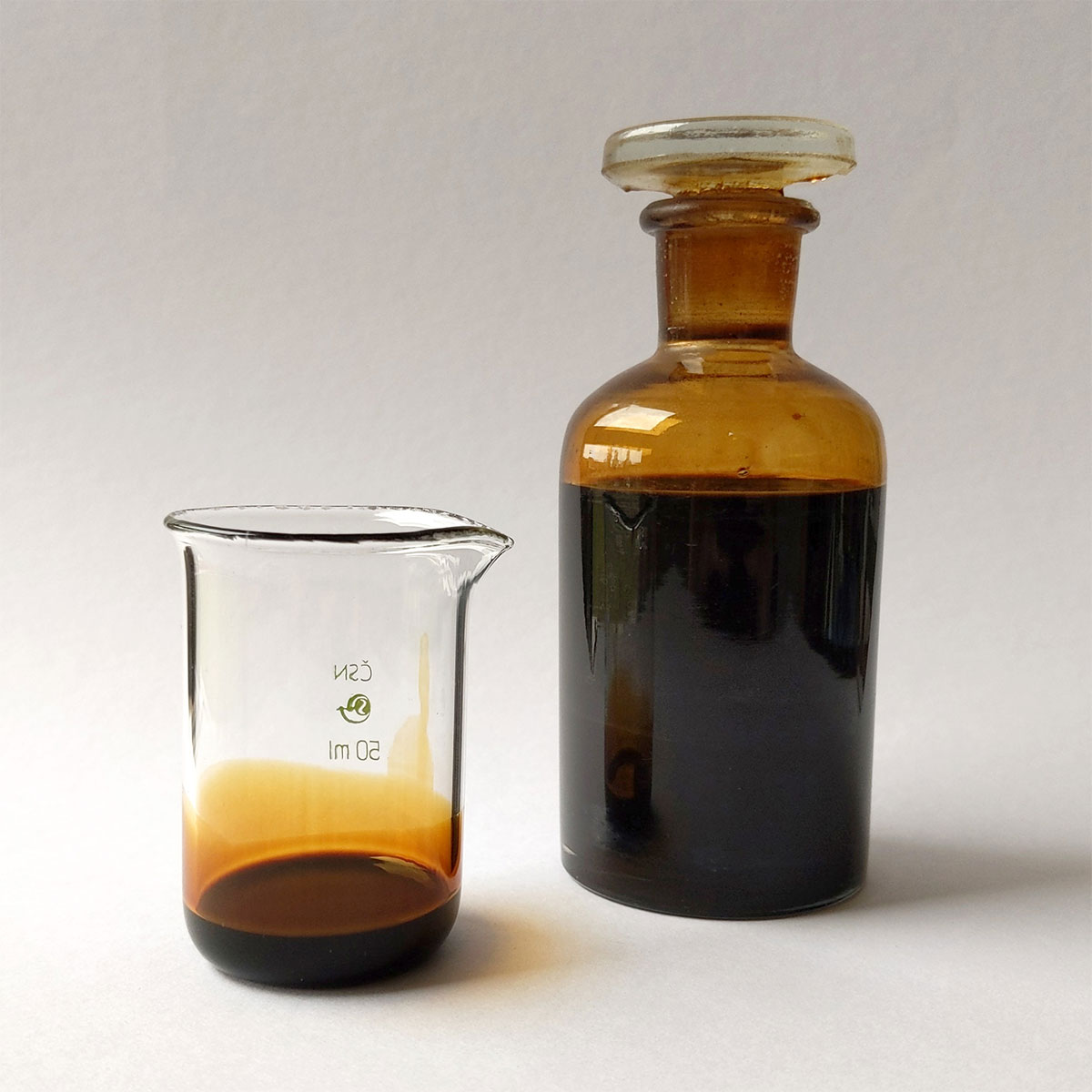
Gasoline is lighter and less dense than water, meaning water sinks in gasoline. This answers the questions, does water sink in gas, or does water float on gas? As water settles below the fuel where the pickup tube is often located. Contamination can quickly cause rough running because the engine may draw the water-rich layer first. Observing a sample jar, contaminated fuel shows a lower clear layer of water and an upper gasoline layer. This visual split demonstrates how to separate water from gasoline during inspection.
What Should You Put In A Gas Tank To Remove Water Fast?
For a stumbling car, a fast-acting gas treatment for water or a fuel additive for water in gas is often the quickest initial remedy when water contamination is minor. These products frequently utilize an alcohol base, which works rapidly. Add the treatment before refueling to ensure thorough mixing in the gas tank. Then, drive the vehicle to allow the treated fuel to circulate through the entire fuel system. In mild situations, smoother engine operation may return quickly. If contamination is severe, the question of what can I put in my gas tank to get rid of water may still necessitate complete tank draining if the volume of water is excessive.
Is It Safe To Use Isopropyl Alcohol In A Gas Tank To Get Rid Of Water?
High-purity isopropyl alcohol effectively binds with both gasoline and water, which explains its frequent mention in discussions about using isopropyl alcohol in a gas tank to get rid of water. Chemically, this process is effective for removing small quantities of moisture. It facilitates the creation of a stable mixture that can pass through the engine with less risk than free water alone.
However, the concentration of the alcohol is a critical factor. Excessive alcohol content can dangerously thin the fuel and potentially compromise seals, gaskets, or other older system components. This is why many vehicle owners opt for packaged dry gas additive products instead of using raw alcohol. A specific fuel additive for water in gas or a water remover from the gas tank product offers better control over the correct dosage.
Commercially available products are generally safer because their ratios are pre-engineered for typical vehicle use. Overdosing on alcohol diminishes fuel quality and can negatively impact drivability. Therefore, the best answer to what takes water out of gas is not always pure alcohol. Often, a professionally tested fuel tank water remover is the superior and safer choice for vehicles.
Can You Use Isopropyl Alcohol To Remove Water From A Gas Tank In Winter
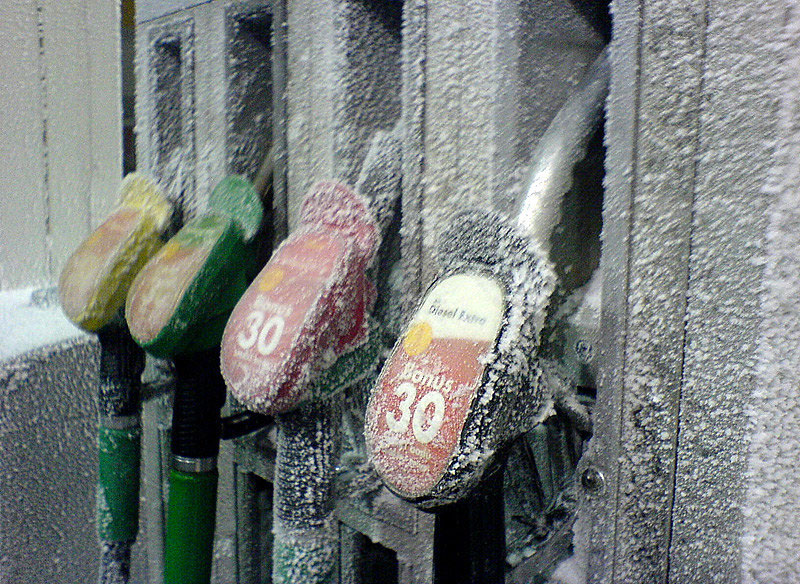
Winter introduces the risk of water freezing in fuel lines or filters. Gas line antifreeze products are widely used in cold areas to bind moisture and lower its freezing point. An alcohol based heat fuel treatment or fuel water treatment can address light moisture during freezing conditions. Keeping the gas tank full reduces air space, minimizing condensation. Prevention is often as vital as treatment in winter.
Does Sta-Bil Remove Water From A Gas Tank During Storage?
Sta-Bil primarily functions as a fuel preservative, not a dedicated water remover for gas products. Its core purpose is to inhibit fuel breakdown during long-term storage, which is essential for vehicles, generators, mowers, and boats that are inactive for extended periods. Certain specialized versions, such as marine or repair-focused formulas, do offer enhanced moisture control.
These formulas can better address water in fuel treatment needs than standard storage products. They also protect internal tank surfaces and mitigate the risk of corrosion during prolonged idle times. While Sta Bil is effective for storage preservation, active fuel contamination usually requires a more specific treatment for water in gas tank or the best additive for water in gas to effectively address the issue.
Dealing With Water In Your Gas Tank Right Now?
If your engine is sputtering, stalling, or struggling to start, water contamination may already be affecting performance. Learn whether an additive can solve the issue or if it’s time to drain the tank before damage spreads.
What Is The Difference Between HEET And ISO-HEET For Water Removal
HEET yellow bottle primarily uses methanol, while ISO heet water remover utilizes isopropyl alcohol. This is the main compositional difference. Many drivers consider ISO based formulas gentler for modern engines and fuel-injected systems. They are often the premium water remover for gas, offering added cleaning support. ISO formulas are frequently preferred where sensor and injector friendliness is critical.
| Product | Main base | Typical use | General note |
|---|---|---|---|
| HEET yellow | Methanol | Fast moisture absorption | Often used as a classic gas water remover |
| ISO HEET red | Isopropyl alcohol | Water removal with broader compatibility | Often preferred for modern vehicles |
| Enzyme formulas | Enzyme blend | Storage and ethanol support | Useful for long-term water in gas treatment |
What Is The Best Additive For Water In Gasoline For Small Engines
Small engines, used in mowers, chainsaws, and generators, are susceptible to condensation and stale fuel because they often use vented caps, sit unused for long periods, and have small fuel volumes. This increases the importance of a strong product. For these small engines, utilize products specifically labeled for them or quick recovery formulas.
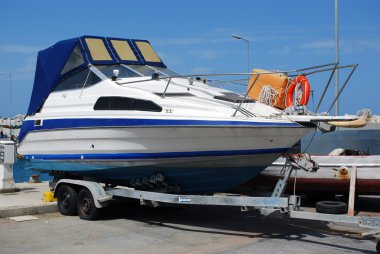
A suitable additive to remove water from a lawnmower gas tank is effective for mild contamination. Marine-based engines, like boats, might benefit more from a marine fuel treatment for water or a boat gas additive. For severe contamination, learning how to remove water from boat gas tank or mower tank systems often requires a complete fuel draining. Always review the label as alcohol heavy formulas can negatively impact older plastic and rubber components.
Is HEET Good For Your Car If Used Regularly
Determining the need for gas treatment for water depends on several factors, including climate, fuel quality, and vehicle storage habits. In environments that are often damp or experience freezing temperatures, using a water remover occasionally is a sensible practice. Conversely, in consistently warm climates or for vehicles driven frequently, constant use might be unnecessary.
Most modern vehicles handle infrequent moisture treatments without issue. However, repeatedly using very strong alcohol-based formulas is not recommended, as it can subtly alter the fuel’s characteristics over a long period. A better strategy involves an occasional application during wet seasons, winter months, or immediately after a suspected contamination event, rather than relying on adding heet water remover with every tank refill.
Want To Protect Your Engine From Fuel Moisture Damage?
Water in fuel can lead to corrosion, rough starts, and poor engine response if it is not handled early. Explore treatment options that help remove moisture, support smoother combustion, and protect your vehicle or small engine.
Does Red Line Fuel System Water Remover Work For Performance Engines
Performance engines require careful product selection because fuel quality and lubrication margins are critical. A strong diesel additive to remove water or a gasoline moisture remover must not compromise performance or damage fuel system parts.
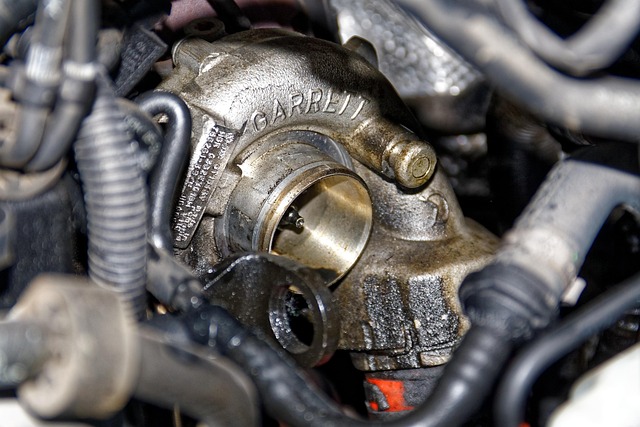
High-strength formulas, like those from Red Line, are often preferred when strong water handling is needed alongside better fuel system support. This is especially important in turbocharged and tuned engines where consistency is essential. In these cases, a premium best gas treatment for water in a tank product may be better than a basic dry gas additive. Water decreases lubrication and can strain pumps and injectors. A quality professional formula helps restore smoother operation while providing system protection. Keeping a high-quality stabiliser or fuel water remover in the garage ensures the engine is ready, even in humid conditions.