Need Emergency Fuel Delivery?
  info@elanfuels.com
Key Takeaways
- The best diesel additive usually combines cleaning, lubricity, and moisture control.
- A quality diesel fuel treatment can help restore injector spray and combustion quality.
- Cold weather calls for a dedicated fuel additive for diesel with anti-gel protection.
- Storage use needs a diesel fuel stabilizer to slow oxidation and water-related issues.
- The best fuel additive for diesel depends on daily driving, winter use, or storage.
Table of Contents
Best Diesel Fuel Additive For Better Performance
The best fuel additive is one that matches how the vehicle is used and solves a real fuel system need. The good fuel additives are usually focused on detergent, lubricity, cetane support, corrosion control and fuel stability. In practice, the best diesel fuel treatment helps burn more evenly, keeps injector tips cleaner, and reduces wear in pumps and injectors.
This matters even more with ultra-low-sulfur diesel because lower natural lubricity can increase stress on high-pressure components. For modern trucks, the best additive for their diesel engines also needs to be safe for emissions equipment and used at the correct dosage. Most drivers who seek top diesel fuel additives are looking to balance cleaning, lubrication and storage protection in one product. Professional additive makers also design diesel detergent packages to control deposits and keep injectors clean over time.
If you’re confused about which diesel additive you need for your engine, you can have your doubts clarified by taking a look at our curated selection of premium diesel treatments and additives that restore your engine to factory performance with just one application.
How Do Diesel Fuel Cleaners Break Down Tough Deposits?
A diesel fuel cleaner works by using detergent chemistry to loosen and suspend carbon and varnish on injector tips and in the fuel path. Some formulas are built to keep clean products for regular use, while others are stronger cleaning-up products meant to remove heavier buildup. That is why a maintenance diesel additive cleaner differs from a one-time diesel fuel tank cleaner or deep formula cleaning.
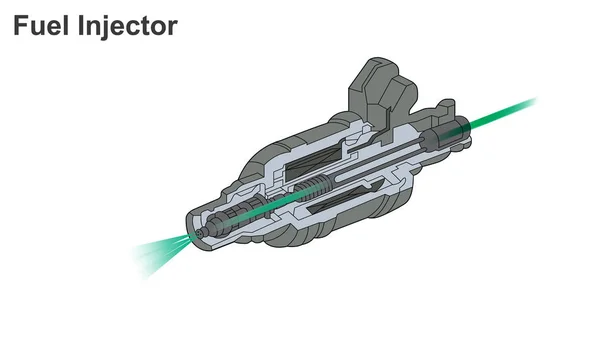
This matters because dirty injectors can distort spray patterns and reduce atomization. Some additive suppliers describe their diesel detergent systems as advanced deposit chemistry that can restore or maintain injector cleanliness. Products marketed as heavy cleaners, including diesel extreme type treatments, are aimed at engines that already show rough running, smoke or lost response.
What is your main reason for using a diesel fuel additive?
Are you mainly trying to protect fuel in storage or improve daily running quality?
Solution:
Choose a mild multi-function daily diesel additive that combines injector cleaning, lubricity support, moisture control, and a modest cetane boost. This type of treatment is best for regular fill-ups, smoother combustion, and long-term pump and injector protection without over-treating the fuel.
Solution:
Use a diesel fuel stabilizer or storage-focused conditioner that slows oxidation, helps manage moisture, and supports cleaner restarts after long idle periods. This is the better fit for vehicles or equipment that sit between uses, even if they are occasionally driven.
Are you mainly trying to protect fuel in storage or improve daily running quality?
Solution:
Pick a targeted treatment based on the operating issue, such as an anti-gel additive for cold weather or a stronger cleaner if injector deposits are already affecting performance. This is the right direction when the engine faces winter flow issues, rough running, smoke, or reduced response, rather than just needing routine maintenance.
Solution:
Use a storage-oriented diesel stabilizer with corrosion and moisture-control benefits, especially for RVs, generators, seasonal trucks, or equipment parked for long periods. In this situation, preserving fuel quality and preventing sludge or water-related issues matters more than chasing performance gains.
Do Diesel Fuel Additives Actually Improve Performance?
Many people ask, do diesel fuel additives work. The honest answer is that performance gains are usually modest, but they can be real when the fuel system is dirty or the base fuel is weak in cetane or lubricity. A quality diesel treatment can improve combustion consistency, and a cleaner injector often restores lost performance.
Some brands cite third-party field, dyno, or ASTM testing for gains in fuel economy, cetane, or lubricity. Hot Shot’s Secret says its EDT can boost cetane, raise lubricity, and improve fuel mileage in testing, though real-world results will vary by engine condition and fuel quality. That is why diesel fuel additive reviews often differ. The best results usually come when the product matches the actual problem, addressing specific deficiencies in the fuel or engine.
What Happens If You Do Not Use A Diesel Fuel Additive?
Not all diesel engines necessitate constant additive use, but relying solely on pump fuel often introduces gaps in lubricity, cleanliness, and long-term storage stability. Over time, this deficiency can result in increased injector deposits, more wear in high-pressure pumps, moisture-related corrosion, and fuel degradation, especially during extended idle periods.
Poor combustion due to dirty injectors can also raise the soot load, potentially contributing to more frequent aftertreatment stress in engines equipped with DPF systems. Repairing components like injectors, pumps, filters, or tanks is significantly more costly than the routine use of the correct fuel treatment for diesel. If the engine operates under hard service conditions, with inconsistent fuel quality, in winter weather, or during long storage, the recommendation is typically yes.
Which Diesel Fuel Additive Is Best For Everyday Use?
For everyday use, the best product is usually a mild, multi-function diesel fuel conditioner rather than an aggressive cleaner. Good daily formulas share a few traits.
- They are safe for frequent dosing.
- They combine detergency with diesel lubricity additive support.
- They often include cetane improvement.
- They help control moisture and corrosion.
- They cost less per tank than periodic deep cleaning products.
This makes regular use more practical for drivers who want the best diesel treatment without over-treating the fuel. In many cases, the best diesel fuel additives for daily use are not the strongest cleaners. They are the ones that quietly prevent deposit buildup and pump wear over time.
Not Sure Which Diesel Additive Your Engine Actually Needs?
Choosing the wrong treatment can waste money and do little for performance. Whether you need injector cleaning, better lubricity, anti-gel protection, or long-term fuel stability, we’ll help you find the right diesel additive for how you actually drive.
Does Hot Shot’s Secret Everyday Diesel Treatment Improve Efficiency?
Hot Shot’s Secret promotes EDT for use with every fill-up, claiming it can increase cetane by up to seven points, improve lubricity, disperse moisture, and potentially raise fuel mileage based on testing. This makes EDT a strong option when people are considering what is the best diesel fuel additive for daily application.
The product is designed as a regular maintenance treatment, unlike the brand’s Diesel Extreme, which is recommended for periodic deep cleaning. EDT aims to perform several functions simultaneously, which is typical for a good diesel fuel additive. It is important to note that any gains in miles per gallon are contingent on variables like injector condition, driving route, load, and individual driving style. Therefore, while many owners rate edt diesel highly, it should be regarded as a continuous maintenance tool rather than an instant, miraculous remedy.
What Is The Best Diesel Additive For Fuel System Protection?
Lubricity is essential for fuel system protection. Modern diesel injection systems operate at extremely high pressure, so poor lubrication significantly increases wear on pumps and injectors. Consequently, many drivers seek the best diesel fuel additive for lubricity or the best diesel fuel lubricity additive for engine longevity rather than power gains.
The table below shows how different additive roles compare.
| Additive focus | Main purpose | Best use case |
|---|---|---|
| Diesel fuel cleaner additive | Removes injector deposits | Rough idle, smoke, weak response |
| Diesel lubricity additive | Reduces metal-to-metal wear | ULSD use, pump protection |
| Diesel fuel stabiliser | Slows oxidation in stored fuel | RVs, generators, seasonal equipment |
| Anti-gel treatment | Improves winter flow | Cold-weather operation |
| Multi-function diesel fuel treatment | Blends several benefits | Everyday maintenance |
When people ask what additive you add to diesel fuel, the answer depends on the risk you want to manage. For many daily drivers, the best choice is a multi-function product with detergency and diesel fuel lubricity additive support.

Why Do Many Manufacturers Recommend Stanadyne Performance Formula?
Stanadyne is unique because it manufactures fuel systems, making it more than an additive seller. Many drivers, therefore, view its products as serious fuel additives for diesel engines, not just simple retail boosters. S
Stanadyne owns recognized trademarks like Performance Formula and Lubricity Formula, which demonstrate its extensive background in diesel hardware. This reputation is important because owners often seek a best rated diesel fuel additive that aligns with Original Equipment Manufacturer thinking. Drivers must still confirm product compatibility with their engine maker and strictly adhere to the specified dose.
Does Lucas Oil Fuel Treatment Work Well In Older Diesel Engines?
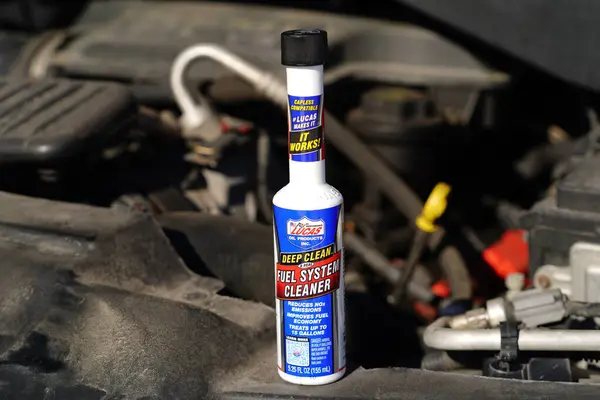
Older diesel engines often benefit from products that prioritize lubrication and mild cleaning over harsh chemicals. Lucas Fuel Treatment, suitable for both gasoline and diesel engines, utilizes a blend of oils and additives with strong detergent action. This formulation is designed to clean and lubricate injectors and pumps, making it an excellent diesel tune-up option.
It is a relevant choice when owners seek the best additive for old diesel fuel or the best additive for diesel engines used in agricultural, heavy haulage, or older pickup truck applications. While possibly not the most advanced product for modern common rail engines, its widespread availability and simplicity contribute to its ongoing popularity.
Which Diesel Additive Works Best In Cold Weather?
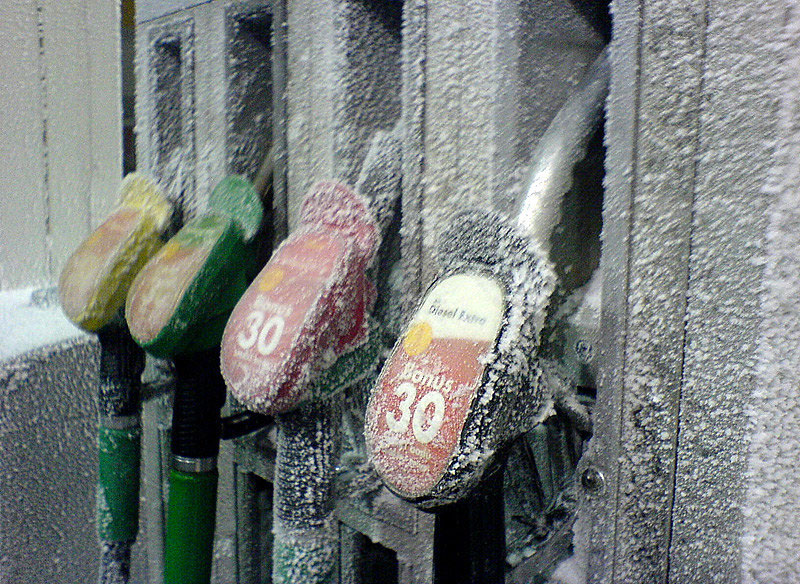
Cold weather changes the answer to what is the best diesel additive. In freezing conditions, wax crystals can form in diesel fuel and restrict flow through filters. That is why anti-gel products are different from normal diesel fuel additives.
- Use a preventive winter additive before fuel starts to gel.
- Look for products that modify wax crystal growth.
- Do not confuse emergency rescue products with everyday winter treatment.
- Keep water out of the tank because ice can worsen filter blockage.
Power Service says its Diesel Fuel Supplement plus Cetane Boost is a winterizer and anti-gel that prevents gelling and protects against fuel filter icing. The same brand says Diesel 911 is for winter emergencies and does not prevent gelling. That distinction is important when choosing the best diesel stabilizer or winter fuel additive for diesel.
Want To Protect Your Injectors And Fuel System For Longer?
A quality diesel additive can do more than just clean—it can help reduce wear, improve combustion, and support smoother engine performance over time. See which treatment features matter most for daily driving, storage, and heavy-use engines.
Do You Need A Diesel Fuel Stabilizer For Long Term Storage?
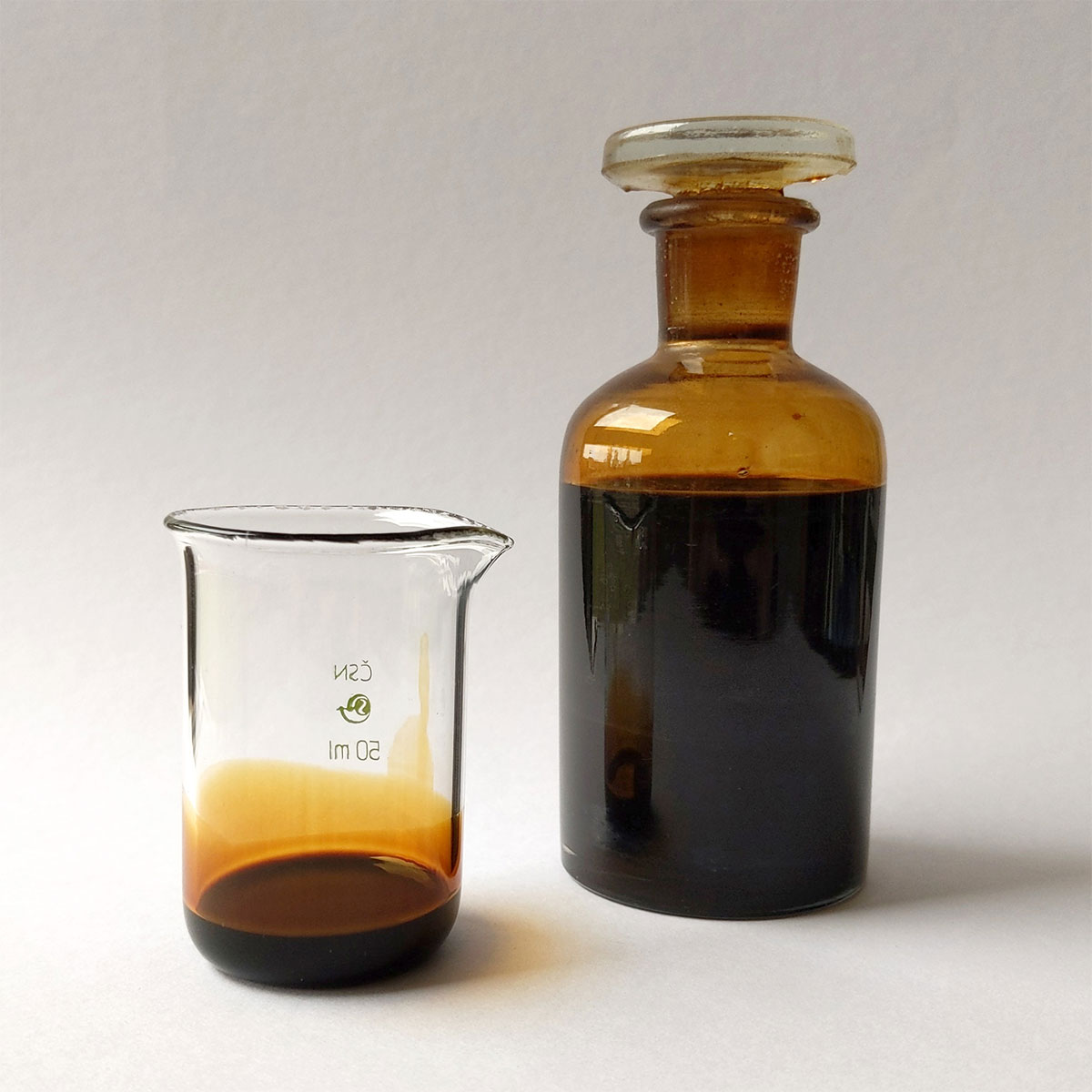
Storage presents a clear requirement for using a diesel fuel stabilizer. Diesel stored for extended periods can undergo oxidation, resulting in darkening, the formation of insoluble material, water absorption, and the potential for sludge or microbial contamination. A quality stabilizer is crucial as it significantly slows this degradation process and promotes easier engine restarting after dormancy.
Gold Eagle’s Diesel Formula STA-BIL Fuel Stabilizer specifically helps keep diesel fresh, actively prevents sludge and sediment, cleans and lubricates injectors, and effectively aids in water removal. This makes such a product highly beneficial for critical equipment like backup generators, seasonal trucks, and any machinery that experiences long periods between operations.
What Diesel Fuel Additive Is Best For RVs?
RVs need a diesel fuel product that stabilizes fuel, manages moisture, and cleans injectors. Motorhomes often sit for extended periods, then start and tow at high speeds suddenly. Consequently, RV owners benefit more from a stability-focused best diesel fuel conditioner than from a race-style performance product.
A slight cetane increase aids smoother starting and better response when under load. Therefore, when considering what’s the best diesel fuel additive for an RV, prioritize storage stability and moisture control first, then focus on cleaning and lubricity.
What Fuel Additive Does Cummins Recommend?
Cummins officially recommended Power Service Diesel Kleen plus Cetane Boost and Diesel Fuel Supplement plus Cetane Boost for optimized engine performance in 2017, a notable data point because official engine maker endorsements are uncommon.
For owners of newer engines, compatibility with the fuel system and emissions hardware matters as much as performance claims, making proper use essential. The best fuel treatment for diesel must be used exactly as directed and should not conflict with the vehicle’s components. When owners ask what the best fuel additive for diesel is, a sensible approach is to consult the engine maker’s guidance, then select a product tailored for your specific needs, such as daily driving, winter operation, or storage conditions.
Looking For A Diesel Additive That Matches Your Driving Conditions?
The best product for daily use is not always the best one for winter driving or long-term storage. We’ll help you compare diesel additives based on your engine needs, fuel habits, and operating conditions so you can choose with confidence.