Need Emergency Fuel Delivery?
  info@elanfuels.com
Key Takeaways
- How much fuel you can transport without hazmat depends on the fuel, package size, and gross weight.
- How much gas can you transport without hazmat is commonly shaped by the 8-gallon-per-package and 440-pound MOT limit in commerce.
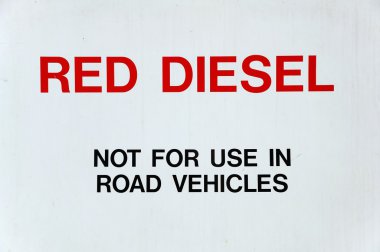
- Whether diesel is considered a hazardous material depends on packaging and whether it is in commerce. Non-bulk highway shipments often get a federal exception.
- Placards must be at least 9.84 inches on each side and visible from every required direction.
- Used oil must be stored in sound containers and clearly marked Used Oil.
Table of Contents
How Much Fuel Can You Transport Without HAZMAT?
According to federal transport laws, the biggest baseline is the materials of trade rule used in commerce. It permits up to 8 gallons in one package for many Packing Group II and III liquids, and an aggregate gross weight of 440 pounds of all materials of trade on one motor vehicle. That is why people ask how much hazardous material I can transport before placards and extra paperwork show up.
For gasoline, regulation usually happens much quicker because it is a class III flammable liquid. Diesel often gets lighter treatment on the highway when it is classed as a combustible liquid in non-bulk packaging. Once you move into bulk packaging over 119 gallons, the rules ease up considerably.
Are you transporting fuel for personal use or for business/work purposes?
Are you using approved portable containers or a larger transfer tank/slip tank?
Solution:
Keep the load in approved, clearly labelled containers, secure them upright, and keep them out of passenger compartments when possible. Personal-use hauling may avoid some commercial hazmat rules, but safe container choice, spill prevention, and proper ventilation still matter.
Solution:
Check the tank capacity, mounting, and fuel type before driving on public roads. Even for personal use, a larger tank setup can create safety and legal issues, so confirm whether the tank is non-bulk or bulk and whether a compliant DOT-spec setup is needed.
Are you staying within small-package MOT-style limits or exceeding them with heavier/larger fuel transport?
Solution:
Use the materials-of-trade approach carefully: keep package sizes within applicable limits, watch the aggregate gross weight, and use approved containers with clear labels. This is the safer path for smaller commercial fuel transport that aims to avoid full hazmat requirements.
Solution:
Treat the haul as potentially fully regulated fuel transport. Review placard requirements, tank classification, packaging rules, and whether the driver needs hazmat credentials before moving the load. Once quantity, package size, or tank size crosses the exception limits, full DOT compliance may apply.
How Much Gas Can You Transport Without HAZMAT In The USA?
For commercial transport, gasoline often falls under the materials of trade (MOT) exception, but strict federal limits apply. Each package, such as a container or can, must not exceed eight gallons, a strict volume rule. Furthermore, the transporting vehicle’s total aggregate gross weight for all MOT items, including the containers and the fuel, must remain below 440 pounds, a strict weight rule.
Therefore, the legal answer to how much gas you can transport without hazmat involves gallon capacity, a specific package rule, and a firm weight limit, not just a simple gallon number. While a few standard five-gallon cans might fit the volume rule, their combined weight, including the fuel, must not surpass the federal cap of 440 pounds. If the shipment’s aggregate gross weight crosses the 1001-pound placarding threshold for Table 2 hazardous materials, displaying official placards is generally mandated, unless a specific alternative exception is applicable, regardless of the MOT exception.
Is Hauling Fuel Dangerous For Drivers Without Professional Training?
Yes, asking if hauling fuel is dangerous is a fair question because the danger is real, even with legal loads. Fuel can surge inside containers during transit, building hazardous vapor pressure in hot vehicles. Ignition is possible from static discharge or nearby sparks. Poorly secured cans might tip, split, or leak into the vehicle’s bed or cabin, creating a fire risk. A spill may trigger costly cleanup and environmental liability, especially if fuel contaminates soil or enters drains.
Always secure every container upright, keep it out of passenger compartments when feasible, and use only approved containers without overfilling. A legal load must always be a safe load.
What Are The DOT Placard Size Requirements For Fuel Transport?
DOT placards must be diamond-shaped and at least 250 mm, or 9.84 inches, on each side. They must have an inner border and be clearly visible from the direction they face. On highway vehicles, placards are normally displayed on each side and each end so responders can identify the hazard quickly. This matters for DOT placard size requirements and for choosing the right sign for flammable or combustible loads. Color also matters. Red is associated with flammable liquids, while other placards use different colors for gases, oxidizers, or corrosives. If your shipment is below an exception threshold, you may not need placards, but once placarding applies, size and visibility are mandatory.
Unsure If Your Fuel Load Crosses HAZMAT Limits?
Fuel transport rules can get confusing fast, especially when gasoline, diesel, package size, transfer tanks, and weight limits all affect whether HAZMAT rules apply. We’ll help you understand the thresholds that matter so you can avoid fines, unsafe hauling, and compliance mistakes before you hit the road.
What Is The Fuel Oil Placard Number For Heating Oil?
The common identification number for diesel and many fuel oil shipments is UN 1202. Emergency crews use that number to match the product with the right response guide and firefighting approach. By contrast, UN 1993 is a more general entry for flammable liquids not otherwise specified, and it can appear when a product fits that broader category instead of a named one. So when people search for fuel oil placard information, they usually mean the diesel or heating oil identifier, not a generic flammable liquid code. The exact number must match the actual shipping description. Using the wrong number can confuse responders and create compliance problems.
How Many Gallons Can You Carry In A Truck Transfer Tank?
Truck transfer tanks are useful, but legal capacity depends on whether the tank is non-bulk or bulk, what fuel is inside, and whether the trip is personal or commercial. This is why the rules of how many gallons of fuel matter before using a bed-mounted tank on public roads.
| Tank issue | What the rule means |
|---|---|
| Non-bulk tank threshold | A liquid tank at 119 gallons or less is generally treated as non-bulk |
| Bulk tank threshold | A liquid tank over 119 gallons is generally treated as bulk packaging |
| Diesel in transfer tanks | Diesel may face lighter rules in some non-bulk highway situations, but larger commercial tanks still trigger stricter compliance |
| Gasoline in transfer tanks | Gasoline is regulated more strictly because it is a flammable liquid |
| Tank compliance | A proper DOT tank may be required when the setup falls under DOT cargo tank or regulated bulk transport rules |
| Pickup bed slip tanks | Slip tanks used for work must be evaluated by capacity, fuel type, mounting, and commercial use |
| Personal use vs business use | Personal transport may avoid some commercial hazmat rules, but safe approved tanks are still important |
| Risk of non compliant tanks | Using an unapproved tank can lead to fines, leaks, fire risk, and transport violations |
What Is A DOT Tank And Why Is It Required For Fuel?
A DOT tank is constructed to federal transport specifications outlined in 49 CFR parts 178 through 180. These regulations cover construction, testing, marking, and performance requirements, ensuring the tank resists leaks, punctures, and failure under normal transport conditions. Therefore, diesel fuel transport, diesel transport, and diesel til transport operations frequently utilize certified hardware when packaging becomes bulk or commercial.
A non-certified tank may be suitable for private property storage, but it is unlawful for highway transportation. Using a non-compliant tank for a shipment that requires a compliant one can result in fines and out-of-service issues.
Is Oil HAZMAT When Transporting Used Engine Fluids?
Used oil is regulated differently from fresh diesel or heating oil, according to the EPA used oil rules. Generators must store used oil in tanks or containers that are in good condition, not leaking, and clearly marked Used Oil. People are asking if the oil hazmat or DOT requirements for transporting used oil need to separate waste management law from transport law. Some used oil moves under a non-regulated or lightly regulated status, but this depends on handling and whether it becomes a hazardous waste under other rules. The safest practice is to use sound containers, prevent leaks, and label everything clearly before taking used oil to a recycler.
Using Fuel Cans Or A Transfer Tank For Work?
What looks like a simple fuel haul can trigger stricter rules depending on the tank size, fuel type, and whether the trip is commercial. From pickup bed slip tanks to portable containers, we’ll help you figure out when your setup stays legal and when DOT compliance becomes necessary.
Is Emergency Fuel Transport Allowed Without A HAZMAT Endorsement?
Emergency conditions generally do not permit ignoring hazardous materials law. While temporary, narrow, and event-specific waivers can exist during declared emergencies, these exceptions are limited. In routine transport situations, questions like “Can I haul fuel without a hazmat endorsement, can you carry hazmat without endorsement, and do I need a hazmat endorsement require careful consideration.”
Transporting a load that normally requires placarding or an endorsement without proper credentials exposes the driver to serious consequences, including citations, insurance disputes, and potential liability following an accident. The concept of acting as a Good Samaritan typically does not override the established compliance rules for fuel transport. Always verify the specific emergency declaration before assuming standard fuel hauling regulations have been suspended.
What Are The Fuel Tank Labeling Requirements For Portable Containers?
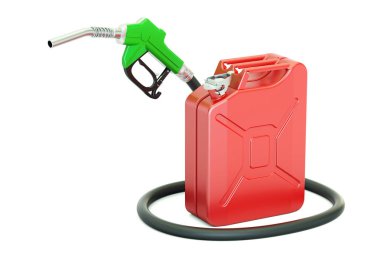
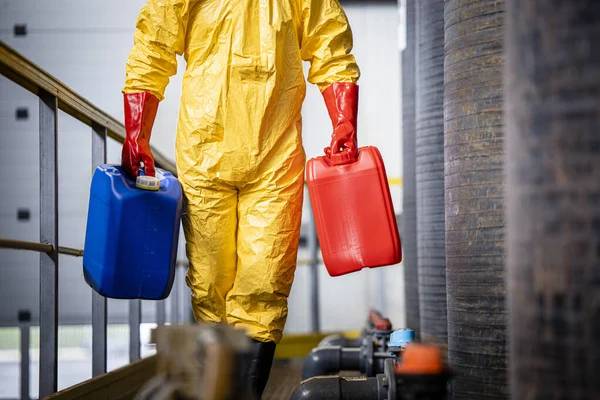
For portable containers, the basic safety rules are simple.
- Use only approved fuel containers intended for the product.
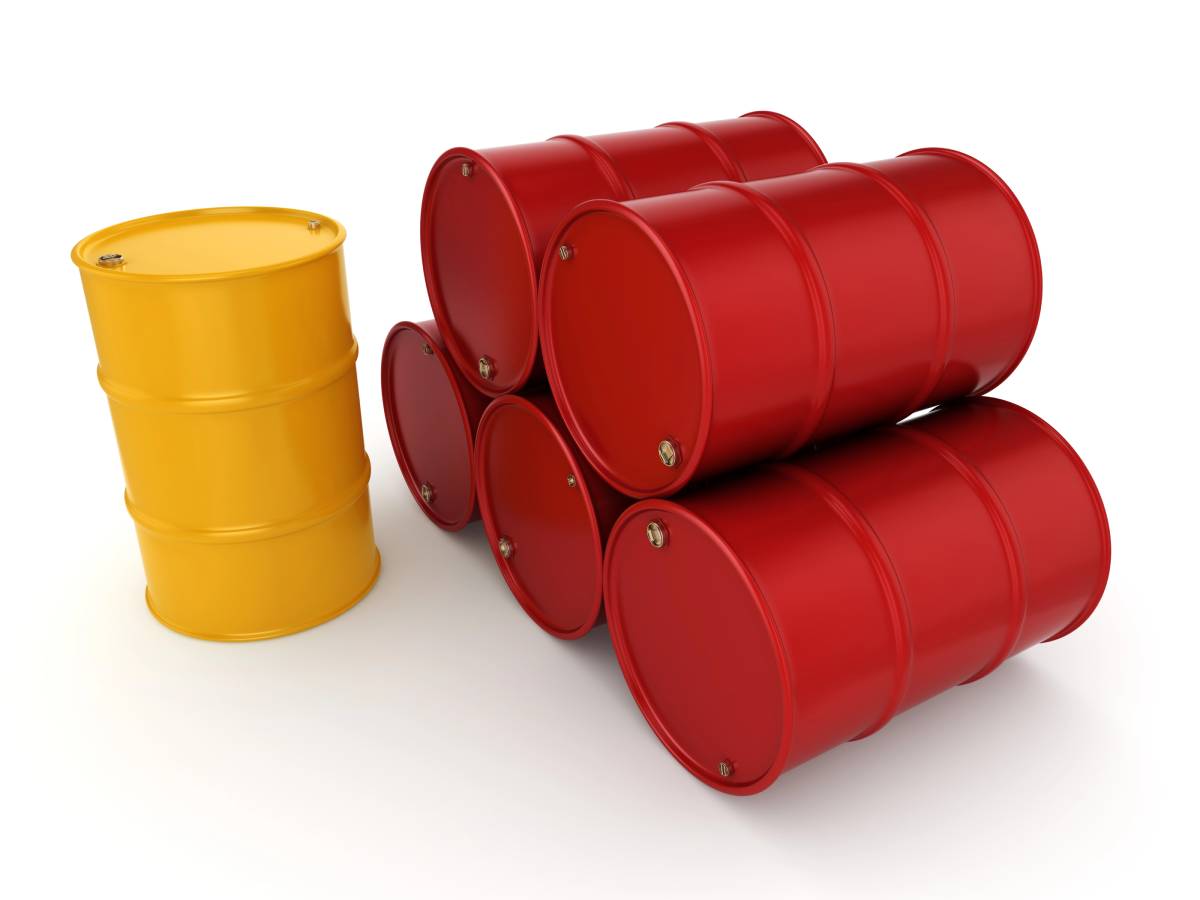
- Follow the common color code: Red for gasoline, yellow for diesel.
- Keep the original label visible so the product is easy to identify.
- Do not use milk jugs, water bottles, open buckets, or random barrels.
If the package is part of a regulated hazmat shipment in commerce, proper shipping marks and identification numbers may also be required.
These steps matter because fuel tank labeling requirements are not just about neat storage. They help prevent misfueling, vapor release, spills, and fire risk. They also support safer diesel delivery, and diesel deliveries work at jobsites.
Are There Propane Placard Requirements For Small Residential Tanks?
Small propane cylinders differ from bulk propane vehicles. A 20-pound BBQ cylinder is typically a consumer cylinder, but larger commercial cylinders raise more significant transport concerns. Valve protection is important. DOT rules require certain cylinder valves to be closed before and during transport. Protective caps or collars may also be needed, depending on the cylinder design. This is the practical core of propane placard requirements for small loads. A few small cylinders usually avoid the same placard result as a large commercial gas delivery, yet they must still be secured upright, ventilated, and protected from heat.
Diesel Transport Services Vs Diesel Delivery Services
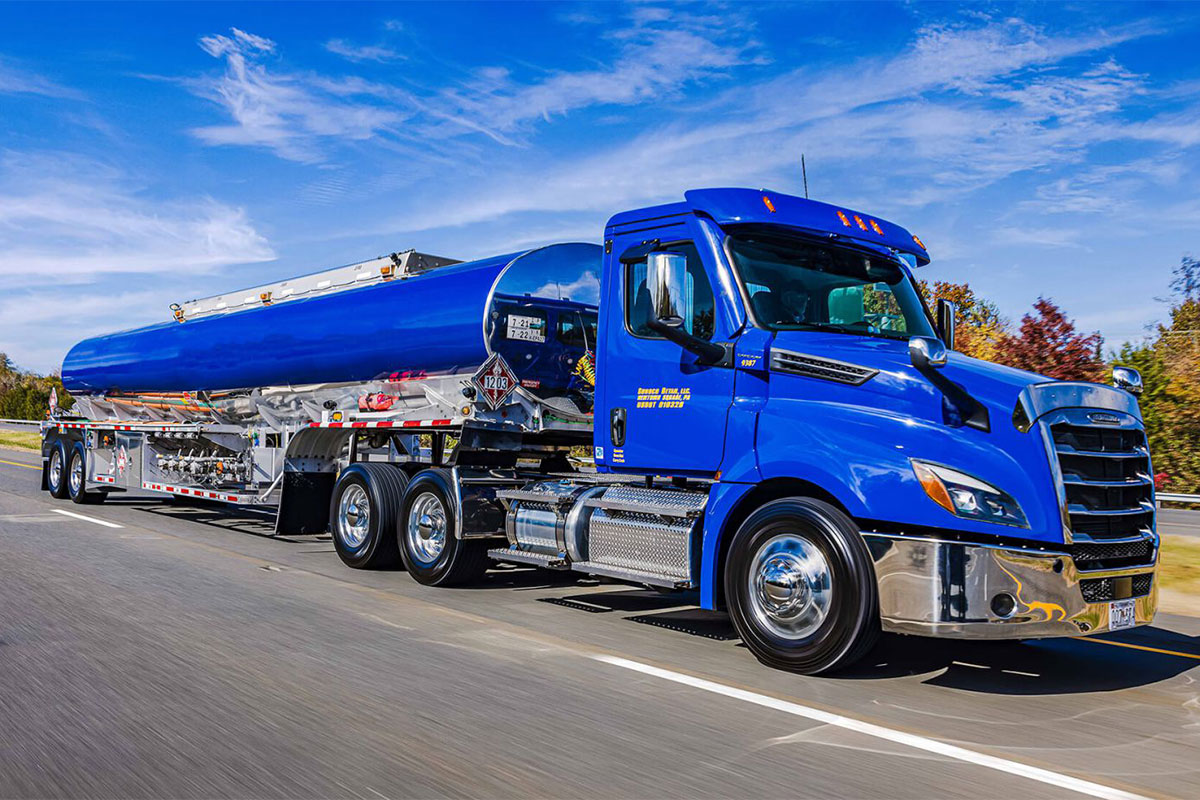
Diesel transport typically involves large-scale over-the-road movement of fuel from a terminal to storage facilities or a wholesale customer. In contrast, diesel delivery signifies the specialized smaller last-mile movement that supplies fuel directly to equipment, fleets, farms, or construction sites. Regulatory requirements vary significantly based on the equipment and the quantity of fuel being moved. A bulk highway tanker, for example, must comply with strict cargo tank rules, display specific identification numbers and placards, and employ specially trained drivers.
A smaller mobile fueling unit still operates under regulations, but its operational pattern is distinct. For operations like construction sites, timely diesel deliveries are generally more efficient because they minimize costly equipment downtime. For high-volume supply chains, such as retail stations, long-haul diesel fuel transport offers a better fit, directly lowering the unit cost at larger volumes.
Need Help Avoiding Placard And Tank Violations?
Fuel transport is not just about how much you carry. Placard size, container approval, labeling, and tank classification can all determine whether your haul is legal and safe. We’ll walk you through the rules that affect everyday fuel transport so you can move fuel with more confidence.
Can A Farmer Transport Fuel Without A HAZMAT Endorsement?
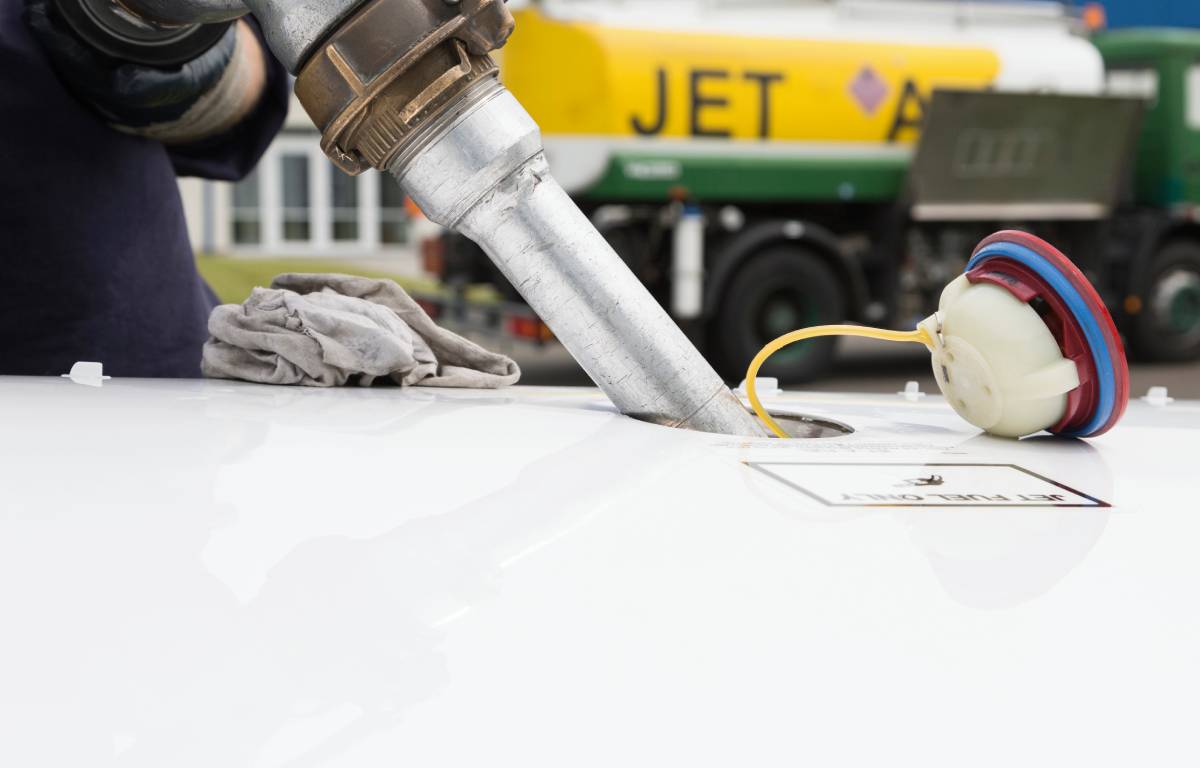
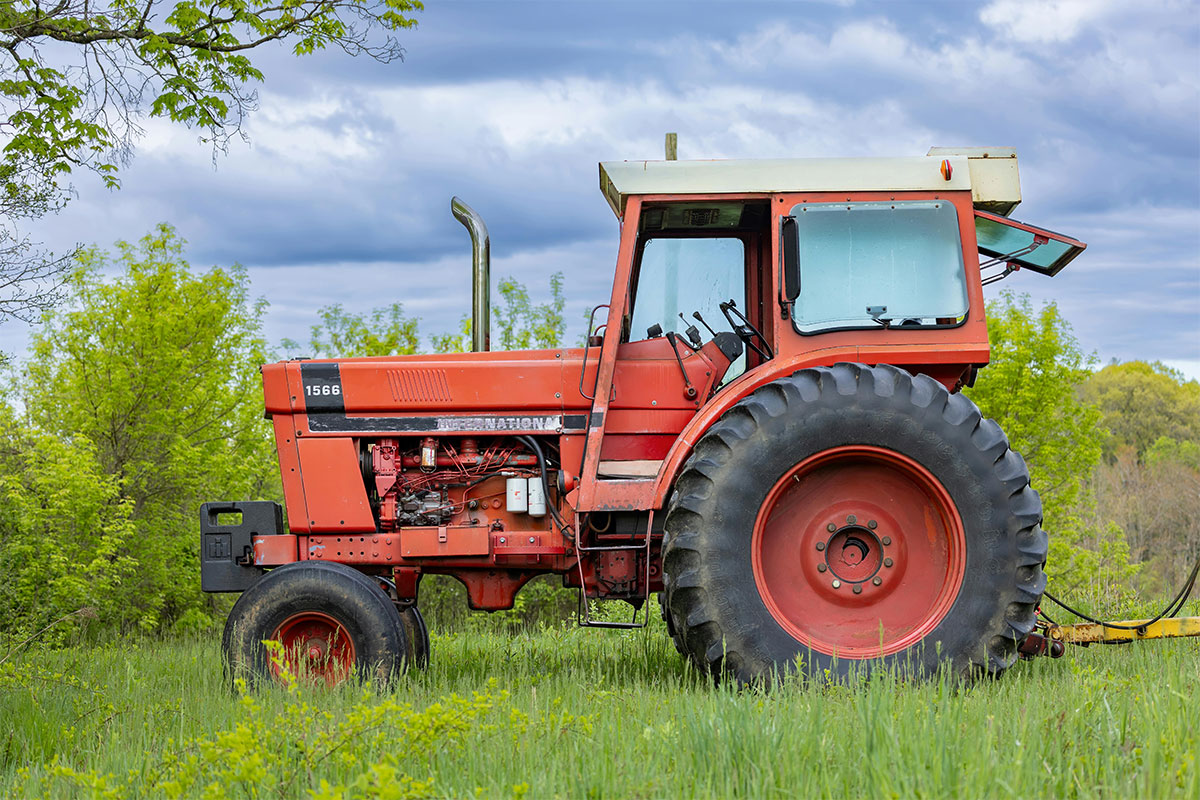
Federal relief is available for farmers, but it is restricted. An agricultural operations exception allows transportation to or from a farm within 150 miles to be excepted from some packaging and placarding requirements. This is only applicable if state law conditions are met and specific quantity limits are respected. For most liquids and gases, the limit is 1900 litres or 502 gallons on a single motor vehicle. Separate Commercial Driver’s License rules permit States to waive the hazmat endorsement for certain drivers. These drivers must be moving diesel or jet fuel in service vehicles carrying 1000 gallons or less within the covered agricultural setting. Therefore, the answer to how much hazmat can I carry without an endorsement is sometimes different for farmers than for ordinary carriers, but the exemption is not unlimited.