Need Emergency Fuel Delivery?
  info@elanfuels.com
Key Takeaways
- How often to use fuel injector cleaner is usually every 3,000 to 5,000 miles.
- Short trips and heavy traffic can mean your car needs cleaning sooner.
- High-mileage engines often need a gentler and more careful schedule.
- Professional service is different from pour-in products and happens less often.
- Too much cleaning can be harmful, so always follow label directions.
Table of Contents
How Often To Use Fuel Injector Cleaner
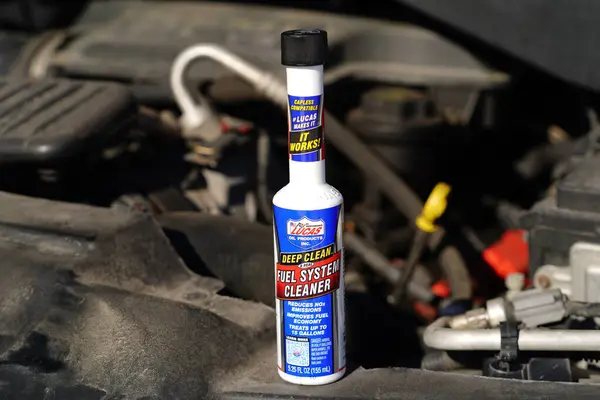
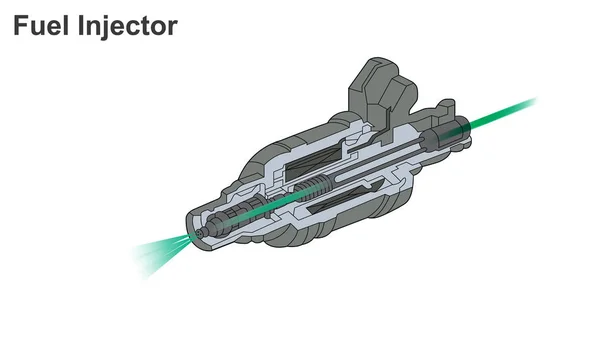
For most vehicles, the question of how often to use fuel injector cleaners comes down to every 3000-5000 miles. That range works well because it helps control carbon and varnish deposits before they affect the spray pattern, idle quality and fuel economy. Consistency matters more than overusing the product. A fuel system that gets mild, regular care is less likely to develop stubborn buildup than one that is ignored for long periods and then treated more aggressively.
Modern direct injection engines often need more attention than older port injection systems. This is because fuel is sprayed directly into the chamber, and deposits can affect performance more quickly. Drivers who spend a lot of time in traffic or make short trips may notice rough starts or weaker responses sooner.
In order to keep your engine protected and avoid expensive repairs, you can get professional-grade fuel additives from our carefully curated selection.
How Often Should I Use A Fuel Injector Cleaner For Commuter Cars?
If you use your car for a daily commute, you can face worse conditions for injector deposits. Short city trips do not always let the engine reach a stable operating temperature. Stop-and-go traffic also increases idling time and repeated low-speed acceleration, which can speed up buildup on injector tips.
The smart thing to do is to use a fuel injector at every oil change, closest to the 3000-5000 mile range. That makes scheduling easier to remember and helps keep treatment consistent. If your commute is mostly urban driving with frequent cold starts, the shorter end of the interval often makes more sense. This is especially true if fuel economy has started to slip or the engine feels less smooth than usual.
How Often Should You Use Injector Cleaner In High Mileage Vehicles?
High-mileage vehicles, specifically those exceeding 75,000 miles, generally require deliberate maintenance rather than harsh chemical applications. Older fuel systems often have sensitive components like seals, hoses, and worn parts, which may react poorly to strong formulations. Applying fuel injector cleaner too frequently or using overly concentrated amounts can aggressively dislodge accumulated debris at one time.
A safer and more cautious approach is advisable. Begin with a single treatment at the manufacturer’s recommended interval and then observe critical performance metrics such as idle quality, throttle responsiveness, and overall fuel economy. For vehicles neglected over extended periods, resist the urge to double the dosage. A gradual, systematic cleaning process minimises the risk of deposits moving deeper into the system, potentially causing new restrictions. For older engines, the virtue of patience surpasses the risks associated with intensity.
How Often Should Fuel Injectors Be Cleaned Professionally?
Over-the-counter fuel injector cleaners differ significantly from professional service. A pour-in cleaner operates by flowing through the fuel tank and lines during regular vehicle operation. Conversely, professional cleaning utilises specialised tools and stronger chemical methods to target deeper deposits directly.
Technicians often bypass the gas tank, running a potent cleaning solution through the fuel rail or injector system under regulated pressure. Consider professional service every 30,000 to 45,000 miles, especially if a quality tank additive fails to resolve persistent symptoms. These symptoms include rough idling, engine hesitation, failed emissions tests, difficulty starting, or a misfire specifically linked to restricted injector flow.
| Service type | Typical interval | Main purpose | Best for |
|---|---|---|---|
| Pour in cleaner | Every 3,000 to 5,000 miles | Prevent light to moderate buildup | Routine maintenance |
| Professional injector cleaning | Every 30,000 to 45,000 miles | Remove stubborn deposits and restore flow | Ongoing symptoms or neglected systems |
Not Sure When To Use Fuel Injector Cleaner?
Using injector cleaner too often can be wasteful, but waiting too long can let deposits build up and affect performance. We’ll help you understand the right interval for your driving habits, fuel quality, and engine type so you can treat your fuel system with confidence.
How Often Do Performance Engines Need Fuel Injection Service?
Performance engines and turbocharged setups need very accurate fuel delivery. A tiny injector restriction can negatively affect combustion balance, reduce power, and increase the risk of lean operation or engine knock. These particular engines are less forgiving because they often operate under much greater thermal and mechanical stress.
Owners of these vehicles should not rely only on simple mileage. Monitoring fuel trims, observing drivability changes, and checking the response under load are key indicators of when service is necessary. If fuel trims are unstable or the engine feels uneven during acceleration, a cleaning interval at the shorter end of the recommendation may be beneficial. Precision is much more important in these high-stress engines, so early attention can effectively prevent bigger problems later.
How Often To Get Fuel Injection Service If You Use Low Grade Gasoline
Fuel quality significantly impacts injector cleanliness, a factor many drivers overlook. Gasoline with lower detergent levels or unbranded fuel can cause deposits to accumulate in the system over time. Top Tier gasoline, in contrast, contains advanced detergent packages that actively help maintain cleaner injectors and intake components between required services.
If you consistently use lower detergent fuels, a slightly more frequent cleaning schedule is advisable. This may involve using fuel injector cleaner every 3,000 miles, rather than extending the interval to 5,000 miles. Furthermore, consider professional service sooner if engine symptoms develop. While poor fuel quality may not cause immediate issues, its cumulative effect over months can necessitate earlier and more intensive cleanings.
When Should You Use Fuel Injector Cleaner For The Best Results?
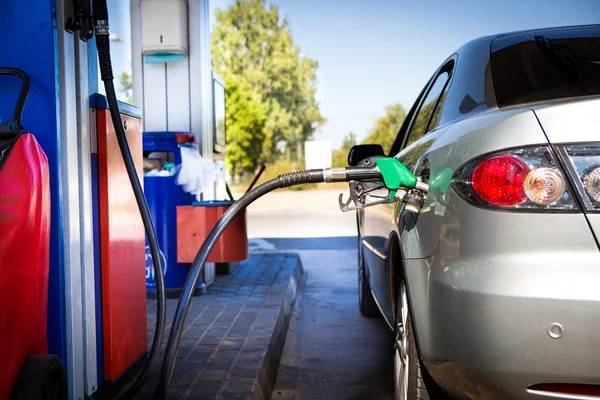
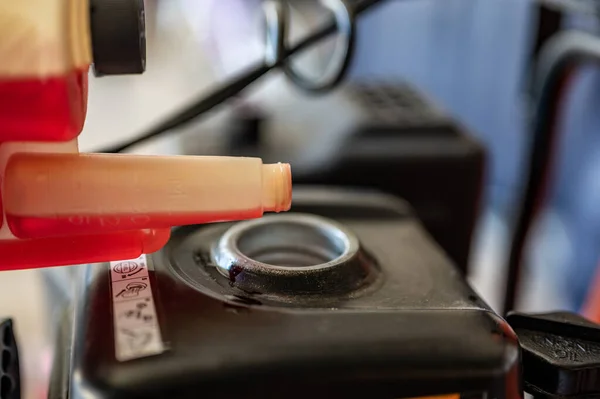
The optimal procedure involves adding fuel injector cleaner immediately before a complete fuel fill-up. This specific timing ensures that the fresh fuel thoroughly and evenly mixes the additive throughout the entire tank. The movement generated by the refueling process and subsequent driving helps to distribute the cleaner at the correct concentration, significantly enhancing its ability to reach the injectors and effectively work through the vehicle’s fuel system.
Symptom-based timing is also a smart consideration for maintenance. If you observe a decline in fuel economy, an unstable or rough idle, slower throttle response, or a slight engine hesitation, it signals that treatment may be necessary even if the scheduled maintenance interval is approaching. The primary objective of using fuel injector cleaner is to proactively treat the system before problematic deposits become severe and cause significant performance issues.
What best describes your current driving pattern or vehicle condition?
Are you noticing drivability symptoms like rough idle, hesitation, or weaker fuel economy?
Solution:
Use a fuel injector cleaner at the shorter end of the range, around every 3,000 miles, and add it just before a full tank. If symptoms keep returning, consider professional injector cleaning sooner rather than relying only on pour-in products.
Solution:
Follow a preventive schedule of about every 3,000 to 5,000 miles, leaning closer to 3,000 miles because your driving pattern encourages deposit buildup. Pairing treatment with oil changes can make the schedule easier to maintain.
Are you noticing drivability symptoms like rough idle, hesitation, or weaker fuel economy?
Solution:
Try a properly dosed fuel injector cleaner before a full fill-up, even if you usually drive under easier conditions. If the symptoms do not improve, move toward professional injector cleaning because persistent issues may point to deeper deposits or another fuel-system problem.
Solution:
Stay on a light maintenance schedule of about every 5,000 miles, or even delay treatment if the car is still relatively new and running smoothly. Focus on quality fuel, correct dosing, and avoiding unnecessary overuse.
When Should You Use Fuel System Cleaner Before A Long Road Trip?
A long highway drive is ideal for using a cleaner, because the engine remains warm and fuel flow is consistently steady. This sustained operation gives the additive ample opportunity to move through the injectors effectively. It also promotes more complete combustion, dissolving lighter deposits better than short city trips.
For optimal results, apply the treatment with a full tank before extended driving, allowing sufficient time for circulation while the vehicle is driven continuously. Treating the system before long-distance travel is a practical step, especially if you observe reduced fuel economy or an uneven idle.
Fuel Treatment Vs Standard Cleaners How Often Should You Use Them?
Not every additive does the same job. A one-time cleaner is usually designed to remove deposits. A fuel treatment or stabilizer is often meant for ongoing prevention, moisture control, seasonal storage, or protection against fuel breakdown.
Here is the simple difference;
- A cleaner is usually used every few thousand miles to remove buildup.
- A treatment may be used more often, sometimes even with every fill-up, if the label allows it.
- A stabilizer is mainly useful when a vehicle will sit for weeks or months.
- Ethanol-focused treatments can help reduce corrosion and moisture-related issues in the tank.
These products matter most for vehicles that are not driven daily, such as classic cars, motorcycles, lawn equipment, or backup vehicles. Ethanol-blended fuel can absorb moisture and create storage problems over time. In those situations, regular treatment can be more important than deep cleaning.
Seeing Rough Idles Or Slower Acceleration?
Fuel system buildup can quietly reduce throttle response, fuel economy, and engine smoothness over time. Whether you drive in stop-and-go traffic, take short trips, or run a high-mileage vehicle, we’ll help you decide when fuel injector cleaner makes sense and when professional service may be the better move.
How Often Should You Use Fuel Additives In Cold Climates?
Cold weather severely stresses the fuel system, demanding seasonal treatment for both gasoline and diesel vehicles. Moisture in gasoline can cause freezing issues. Diesel engines require anti-gel support in winter. A practical schedule involves using weather-appropriate additives during colder months, especially before major temperature drops. This is targeted seasonal support based on conditions, not the same as constant use of a fuel injector cleaner.
How Often Should You Use Gas Treatment In Your Car For Ethanol Protection?
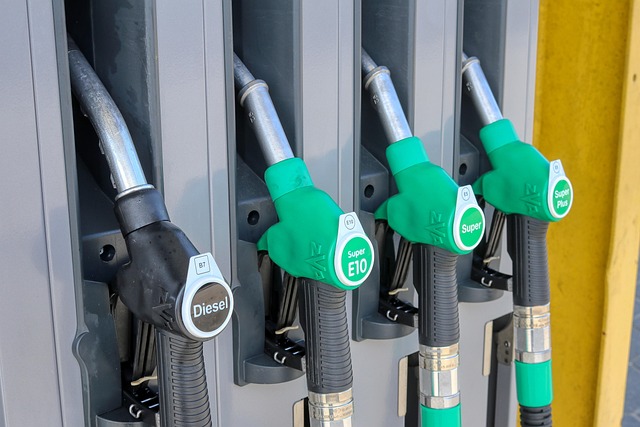
E10 and E15 fuels are common, and they can create challenges for both modern and older fuel systems when a vehicle sits unused. Ethanol attracts moisture, and in storage situations that can increase the risk of phase separation and corrosion-related issues.
If your vehicle sits idle for more than two weeks at a time, using a fuel treatment with ethanol protection can be worthwhile on a regular basis. For cars driven only occasionally, adding treatment at each fill-up or before storage is often more useful than waiting for symptoms. For daily drivers, occasional use based on the product directions is usually enough. The key is matching the additive type to the storage pattern of the vehicle.
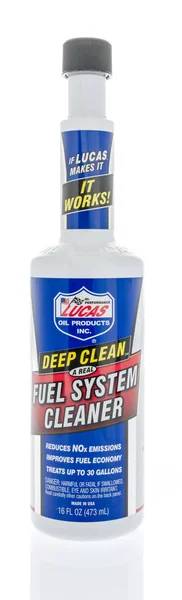
Can You Use A Fuel Injector Cleaner Every Fill Up?
Generally, you should not use a fuel injector cleaner at every fill-up unless the product is specifically designed for continuous use. More is not necessarily better. Strong solvent formulas are intended for periodic cleaning, not constant saturation of the system. Overuse of these cleaners can potentially create unnecessary chemical exposure for fuel pump components, seals, oxygen sensors, and catalytic converters.
While an occasional extra treatment may not be harmful, a steady habit of overdosing can become expensive and unhelpful. Performance improvement is limited once deposits are under control.
How Much Fuel Injector Cleaner Should I Use Per Tank?
Always follow the bottle instructions for tank size, as the amount is based on concentration, and that concentration matters. Too little cleaner in a very large tank may reduce effectiveness, while too much in a small tank may create an overly strong mixture.
For example, if one bottle treats 20 gallons and your tank holds 10 gallons, then half a bottle is usually the matching ratio. This approach can also help with smaller engines like motorcycles or lawn equipment, but only if the product label says it is safe, and repeated normal treatments are safer than one oversized dose for a very dirty system.
How Does A Fuel System Cleaner Help Your Vehicle?
A cleaner fuel system can support several useful gains in the following ways;
- Better spray pattern from the injectors
- Smoother idle and more even acceleration
- Improved throttle response
- Restored power that was lost to poor combustion
- Better fuel economy when deposits were hurting efficiency
- Lower emissions from a cleaner burn
- Less strain on the fuel pump and injector components over time
Want Better Results From Fuel Injector Cleaner?
It’s not just about using a cleaner, it’s about using it at the right time and in the right amount. From fill-up timing to mileage intervals and product type, we’ll show you how to get the best results without overdoing it or risking unnecessary wear on your fuel system.
Is Fuel Injection Cleaning Necessary For Brand New Cars?
Brand new cars generally do not require a fuel injector cleaner during the first 10,000 to 15,000 miles, as new injectors are clean, and modern fuel typically contains protective detergent additives. Preventative maintenance is still vital, though. Using high-quality fuel, avoiding extended storage periods, and following a consistent service routine can maintain system excellence. Cleaning becomes more useful after the vehicle accumulates more miles, especially with significant traffic or short-trip driving. For newer cars, initial restraint is usually the best strategy.